

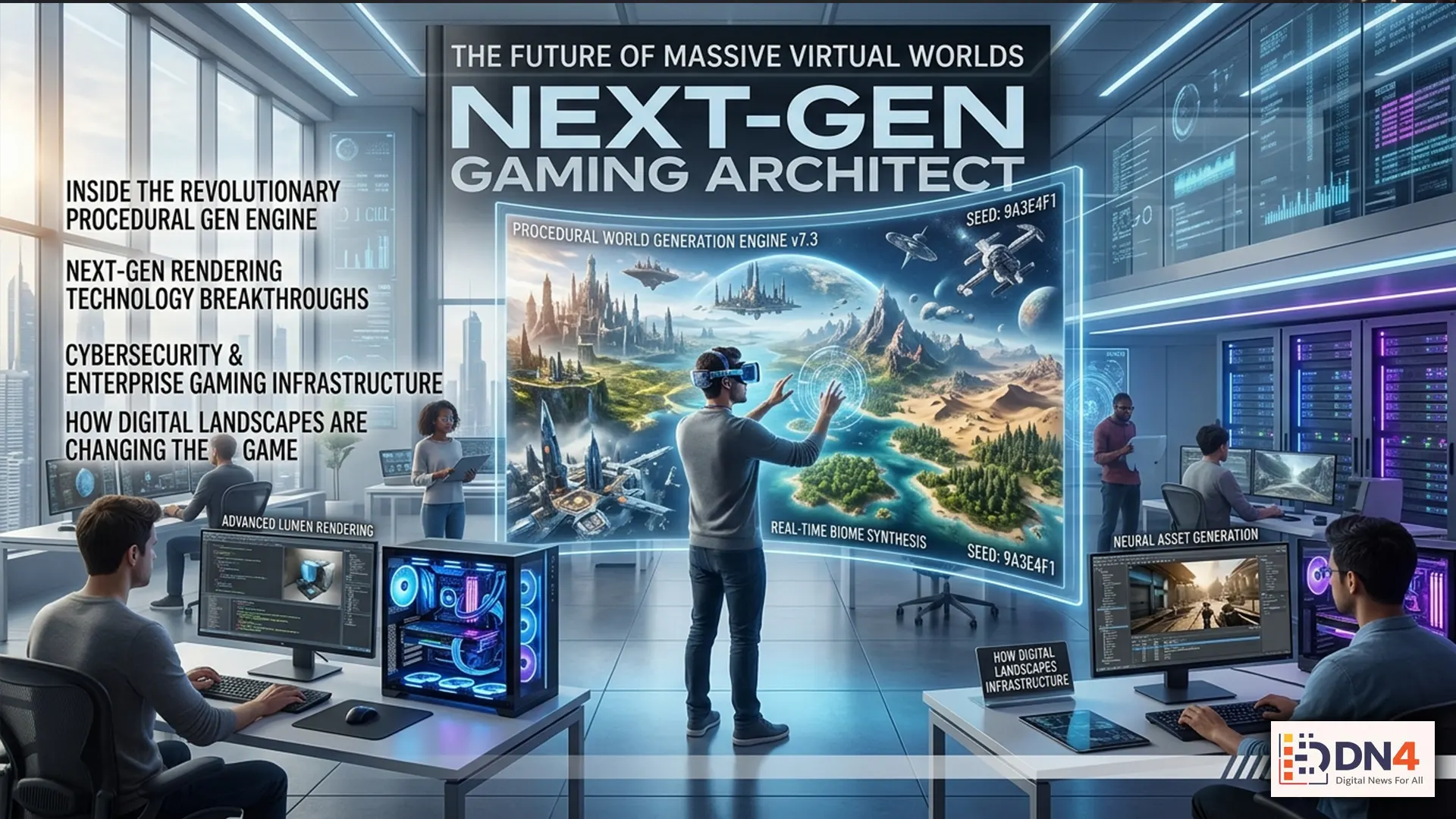
The gaming industry is no stranger to strategic pivots, but few have generated as much curiosity as the recent direction taken by PlayerUnknown Productions. Founded by PUBG creator Brendan Greene, the studio captured industry attention with ambitious plans centered around Prologue, a project designed to push the boundaries of procedural world generation and large-scale gaming experiences.
Now, signs suggest the company is increasingly focusing on broader technology development and ecosystem-building rather than traditional in-house game production. The shift marks a significant evolution in how the studio views its long-term role within the gaming industry.
According to updates shared through PlayerUnknown Productions and interviews with founder Brendan Greene, the company’s vision extends beyond launching a single game and instead focuses on creating foundational technologies that could support future virtual worlds.
The Original Vision Behind Prologue
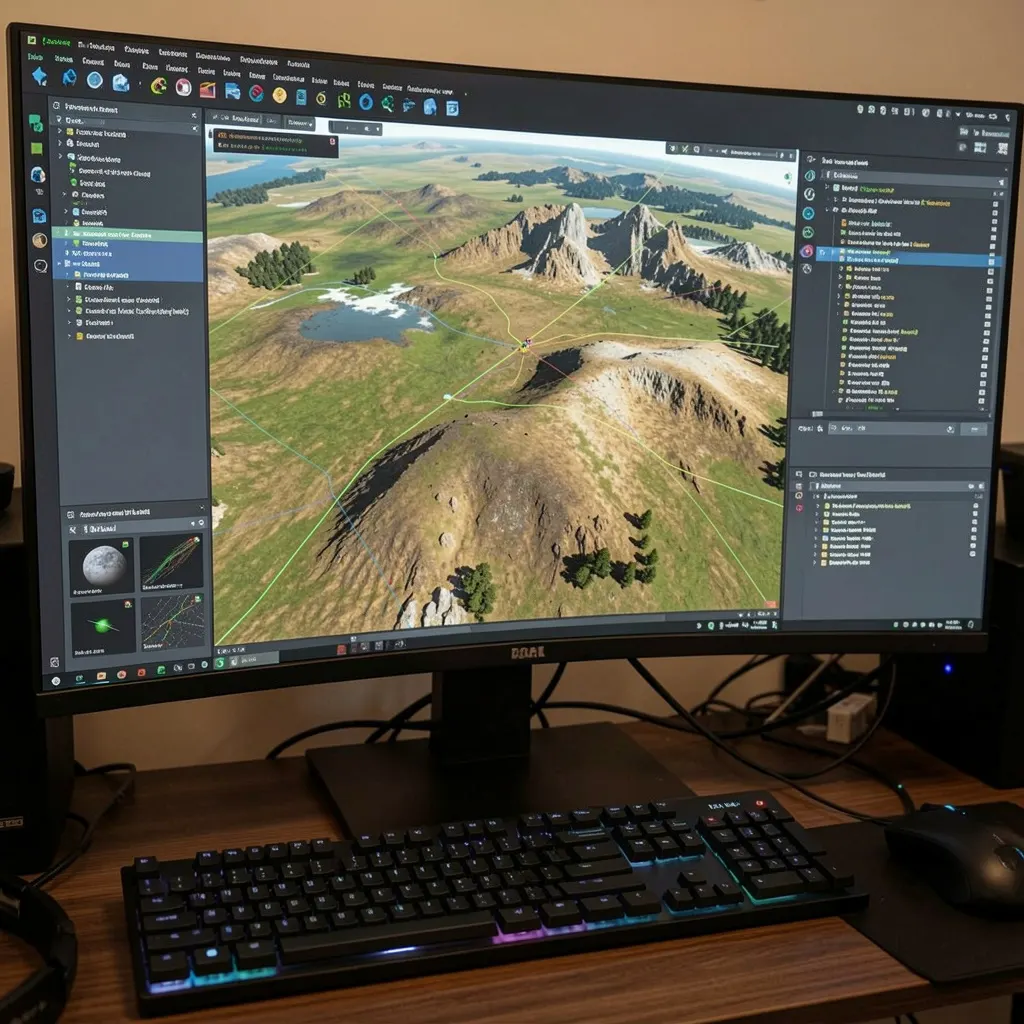
When Prologue was first announced, it was positioned as more than just another survival game. Greene described it as an experimental project aimed at testing advanced procedural generation systems capable of creating vast, realistic environments.
Industry coverage from PC Gamer and IGN highlighted the project’s ambition and its potential influence on future open-world game design.
The game quickly became one of the most closely watched independent projects in the industry.
Why the Strategic Shift?
Building cutting-edge technology and producing commercial games simultaneously can be resource-intensive. Many studios eventually discover that their proprietary technology holds value beyond a single title.
Rather than concentrating exclusively on game releases, PlayerUnknown Productions appears increasingly interested in developing systems that could enable entirely new types of digital experiences.
This strategy mirrors approaches seen in other technology-driven sectors where platform development becomes as important as consumer-facing products.
Technology as the Core Product
The company’s evolving focus centers around technologies capable of supporting massive, persistent virtual environments.
Reports from GamesIndustry.biz and Game Developer suggest that scalable world-generation technology may become one of the studio’s most valuable long-term assets.
Potential benefits include:
- Licensing opportunities
- Platform partnerships
- Developer ecosystem growth
- Advanced simulation environments
- Support for future virtual world projects
What This Means for Gamers
Some players may view the shift as a departure from expectations surrounding Prologue. Others see it as a necessary step toward achieving larger ambitions.
If successful, the technologies developed today could eventually power gaming experiences far beyond what current open-world titles can deliver.
The challenge will be balancing innovation with the expectations of players who are eager to see tangible products reach the market.
A Broader Industry Trend
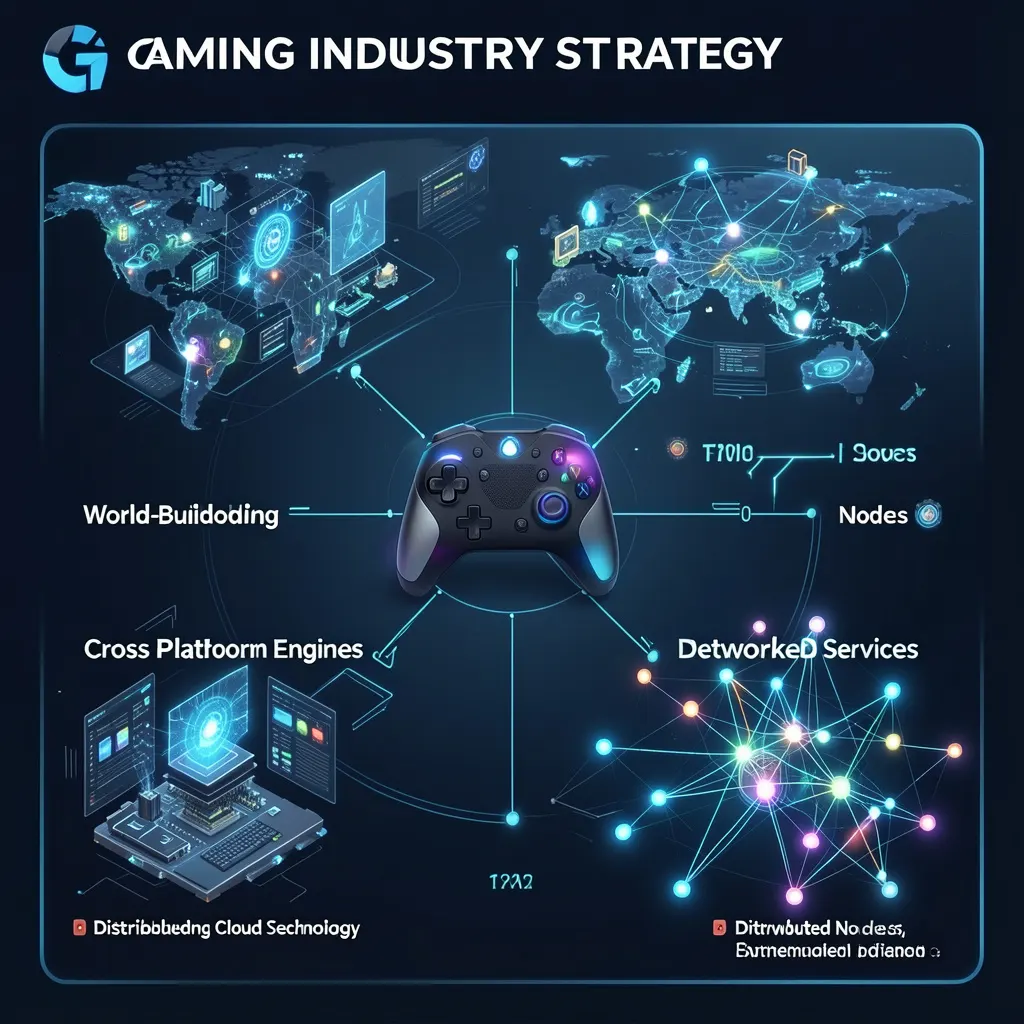
PlayerUnknown Productions is not alone in rethinking traditional development models. Increasingly, game studios are exploring ways to monetize proprietary technology alongside game development.
Companies such as Unreal Engine creator Epic Games and other platform-focused organizations have demonstrated how technology ecosystems can become major business drivers.
The apparent shift away from prioritizing in-house game development does not necessarily signal the end of PlayerUnknown Productions’ ambitions. Instead, it may represent a broader and more ambitious vision focused on creating the tools and infrastructure that future gaming experiences will rely upon.
Whether this strategy ultimately proves successful remains to be seen, but one thing is clear: the company is thinking beyond a single game and toward the next generation of virtual worlds.
#PlayerUnknownProductions #BrendanGreene #Prologue #GamingIndustry #GameDevelopment #PUBG #PCGaming #OpenWorldGames #GamingNews #FutureOfGaming