


Cold weather and heart failure are becoming an important public health concern as seasonal temperatures fall. Older adults and people living with cardiovascular conditions face additional risks during colder months. Even moderately cold weather may place extra strain on the heart, making early preparation essential.
Recent research published in JAMA Network Open found an association between colder temperatures and increased heart failure hospitalizations among older Americans. The findings highlight the importance of winter preparedness beyond extreme cold alerts.
Why Cold Weather Can Worsen Heart Failure
When temperatures drop, blood vessels narrow to conserve body heat. This process, known as vasoconstriction, can raise blood pressure and increase the workload on the heart.
For people already living with heart failure, this additional cardiovascular stress may contribute to worsening symptoms or a need for medical attention. Cold exposure can also increase the risk of other cardiovascular complications, including heart attacks and strokes.
The American Heart Association warns that cold weather and strenuous physical activity can be especially challenging for people with existing heart conditions.
Who Faces the Greatest Risk?
Several groups may be particularly vulnerable during the winter season:
- Older adults: Age-related changes can reduce the body’s ability to regulate temperature.
- People with heart failure: Their hearts may have limited capacity to respond to additional cardiovascular stress.
- People with diabetes: Circulation problems can make it harder to maintain body warmth.
- Low-income households: Limited access to reliable heating, warm clothing, and healthcare can increase exposure.
- People experiencing homelessness: Prolonged outdoor exposure raises the risk of cold-related illness.
The National Institute on Aging emphasizes that older adults may not recognize dangerous cold exposure early enough to protect themselves.
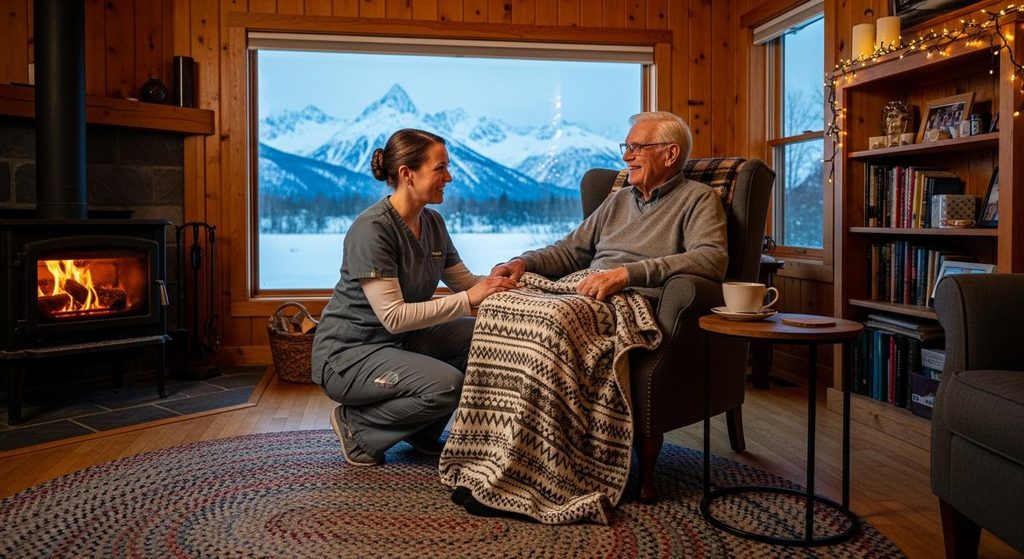
Recognizing Warning Signs Early
Heart failure symptoms may worsen during colder weather. Individuals and caregivers should watch for increased breathlessness, unusual fatigue, swelling in the legs or ankles, sudden weight changes, and difficulty breathing while resting.
Cold exposure can also cause hypothermia. Warning signs include persistent shivering, confusion, drowsiness, slurred speech, and poor coordination.
The Centers for Disease Control and Prevention advises seeking immediate medical attention when hypothermia is suspected. A body temperature below 95°F is a medical emergency.
How Vulnerable Populations Can Prepare
Preparation should begin before temperatures fall significantly. Practical measures can help reduce exposure and support safer winter routines.
- Wear several layers of warm, dry clothing when going outdoors.
- Keep indoor spaces comfortably warm and address heating problems early.
- Avoid sudden, strenuous activities such as heavy snow shoveling.
- Follow prescribed medications and individual fluid recommendations.
- Maintain regular communication with healthcare providers.
- Arrange check-ins for older adults living alone.
- Seek assistance with heating costs, transportation, and essential supplies when needed.
The American Heart Association recommends limiting prolonged cold exposure and avoiding excessive physical exertion in winter conditions.
Community Preparedness Is Equally Important
Individual precautions cannot address every risk. Public health agencies, healthcare systems, and local organizations can help by identifying high-risk residents and expanding access to warming centers, home heating assistance, transportation, and emergency outreach.
Healthcare professionals can also review patients’ winter care plans and explain when symptoms require urgent evaluation.
As seasonal temperatures decline, recognizing the connection between cold weather and heart failure is essential. Early planning, community support, and timely medical care can help protect vulnerable populations throughout the winter.
#HeartFailure #ColdWeatherHealth #HeartHealth #WinterSafety #PublicHealth #OlderAdults #Healthcare