

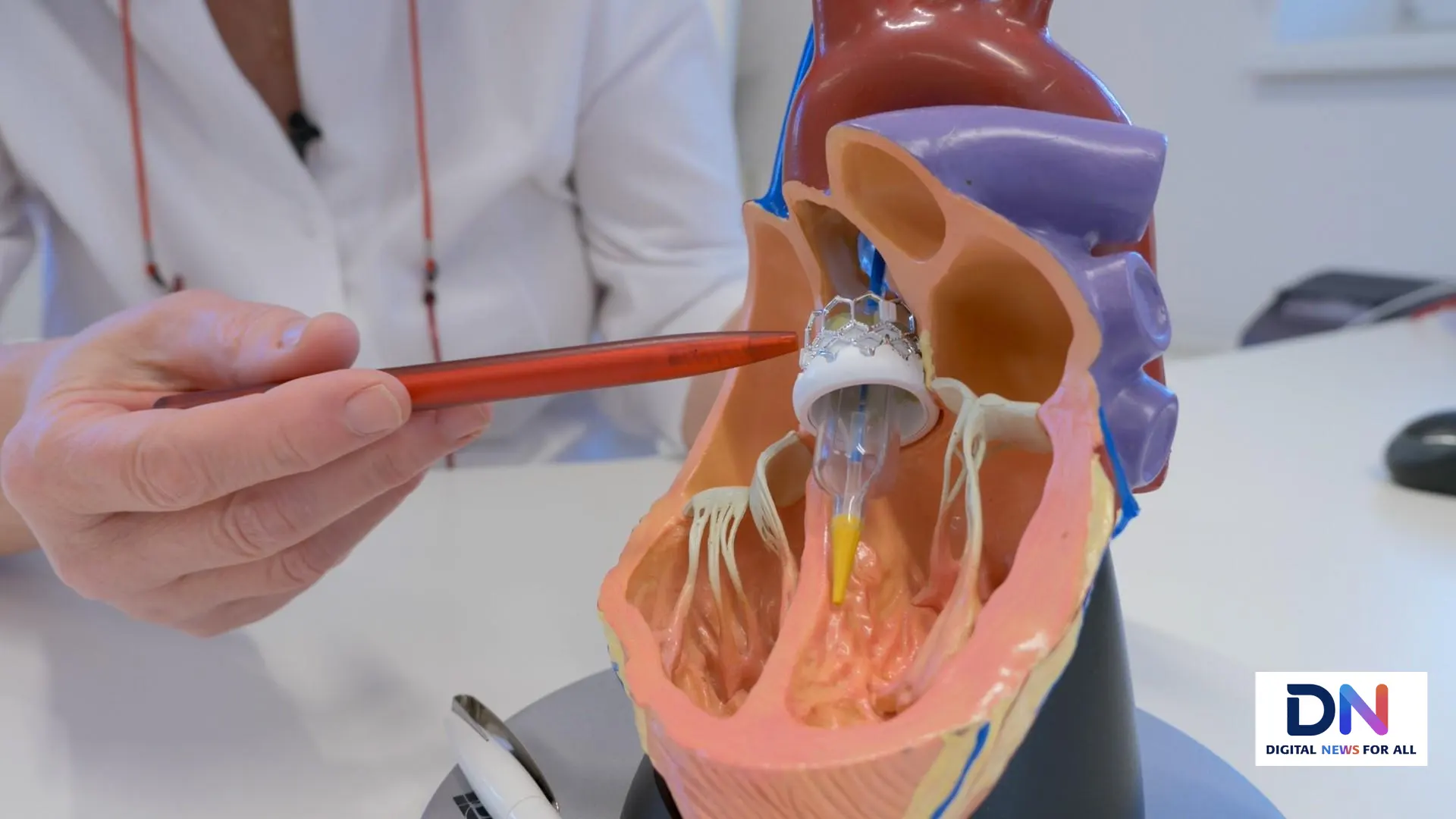
TAVI valve durability is becoming an increasingly important issue as transcatheter aortic valve implantation becomes available to more patients with severe aortic stenosis. The five-year milestone is particularly important because it provides meaningful information about how implanted tissue valves perform over time. However, five years is not an automatic expiration date for a replacement valve.
TAVI, also called transcatheter aortic valve replacement (TAVR), allows doctors to replace a narrowed aortic valve using a catheter rather than traditional open-heart surgery. Its growing use among younger and lower-risk patients has increased interest in long-term performance.
What Does the Five-Year Milestone Reveal?
Five-year clinical results have generally been encouraging. In the PARTNER 3 trial, researchers found similar rates of bioprosthetic valve failure between TAVR and surgical aortic valve replacement among selected low-risk patients.
More recent evidence extends the discussion. A seven-year analysis published in JAMA Cardiology reported comparable rates of structural valve deterioration, valve failure, and repeat intervention between the two treatment groups.
The New England Journal of Medicine also published seven-year PARTNER 3 findings in 2025. These results are reassuring, although they do not establish how every TAVI valve will perform over 15 or 20 years.
What Causes a TAVI Valve to Deteriorate?
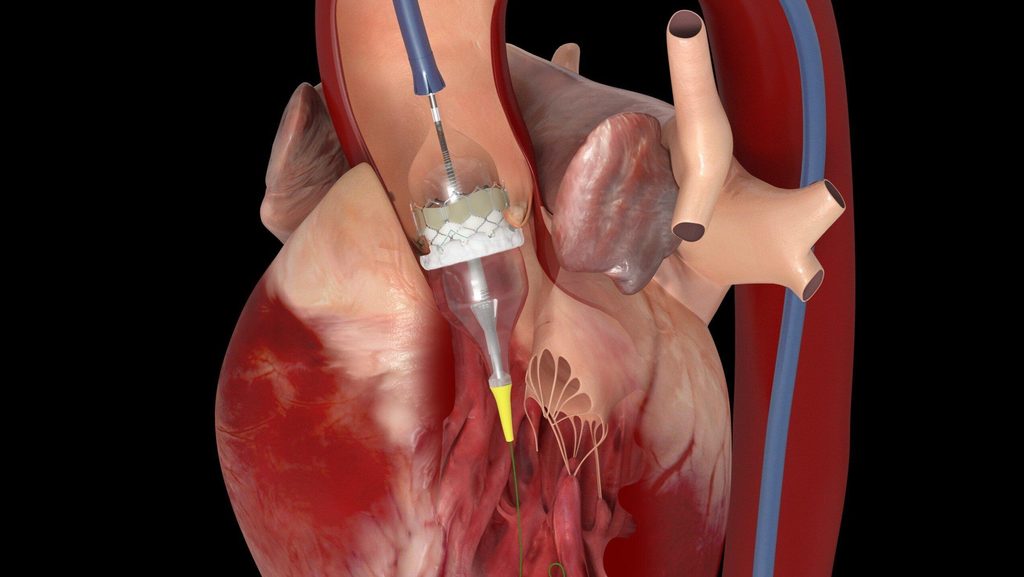
Replacement valves contain biological tissue that can change over time. Structural valve deterioration may involve leaflet calcification, fibrosis, tearing, or other permanent changes.
However, not every valve problem represents structural deterioration. Blood clots, infection, leakage around the valve, and an imperfect fit can also affect valve function.
An American College of Cardiology analysis explains that these different complications require careful diagnosis and appropriate imaging.
Why Younger Patients Need Lifetime Planning
For younger patients, valve durability carries additional importance because they may live long enough to require another intervention. The choice between TAVI and surgical replacement therefore involves more than immediate recovery.
The 2025 ESC/EACTS valve guidelines emphasize lifetime management, expected valve durability, anatomy, and the risks of future procedures.
Depending on individual circumstances, another catheter-based procedure or surgical replacement may be considered if a valve eventually fails.
Warning Signs and Follow-Up After TAVI
Patients should report new or worsening breathlessness, chest discomfort, dizziness, fainting, unusual fatigue, or reduced exercise tolerance to their healthcare team. Sudden severe chest pain, fainting, or serious breathing difficulty requires emergency medical attention.
Regular echocardiograms help clinicians monitor valve gradients, leakage, and changes in valve function. The ACC/AHA valve guidelines support annual echocardiographic monitoring after transcatheter bioprosthetic valve replacement.
Cleveland Clinic and Mayo Clinic also emphasize regular follow-up and reporting new symptoms.
What Patients Should Remember
The five-year milestone should encourage monitoring, not panic. Current research offers reassuring evidence through seven years, but longer follow-up remains necessary. Patients should maintain scheduled cardiology visits, attend recommended imaging appointments, and discuss their individual valve performance with their structural heart team.
Ultimately, TAVI valve durability is a long-term healthcare issue. The best protection is informed treatment planning, regular surveillance, and early evaluation of possible complications.
#TAVI #TAVR #HeartValve #StructuralHeartDisease #Cardiology #HeartHealth #MedicalResearch