

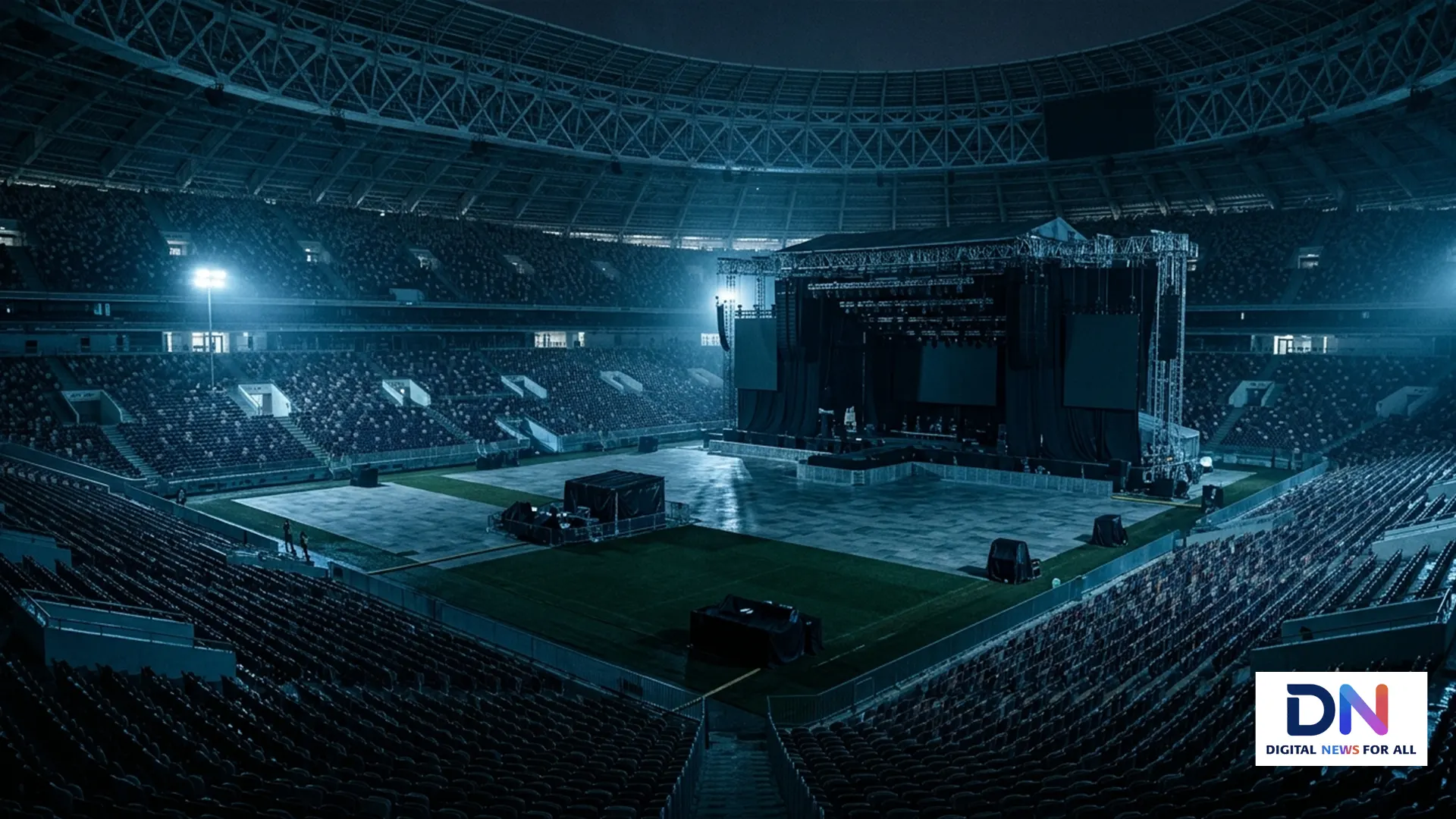
The Kanye West Russia concert controversy has evolved into a financial and legal dispute after two highly anticipated performances in St. Petersburg were canceled. The American rapper, now known as Ye, was scheduled to perform at Gazprom Arena on October 10 and 11, 2026. Instead, the collapse of the proposed shows has triggered ticket-refund concerns, questions about contractual obligations, and scrutiny of the concert promoter.
The cancellation also highlights the growing risks of organizing international entertainment events amid political sensitivities, reputational controversies, and complicated venue agreements.
Why the Russian Stadium Shows Fell Apart
The Moscow-based concert agency Say Agency announced the proposed performances in August. Tickets reportedly sold rapidly, with premium packages reaching exceptionally high prices.
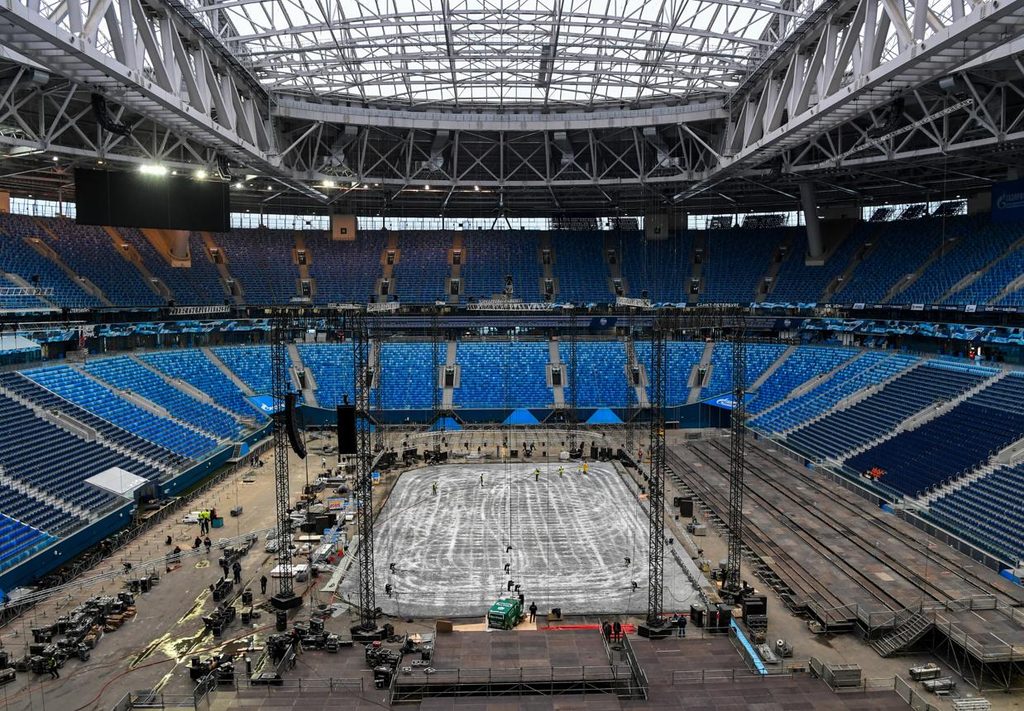
However, the arrangement soon encountered a major obstacle. Gazprom Arena publicly stated that it had not signed a rental agreement with the promoter and therefore could not host the concerts.
According to The Guardian, the promoter eventually confirmed that the shows would not take place on their scheduled dates. The announcement followed weeks of contradictory statements and uncertainty.
The Reuters report also confirmed the cancellation, noting that the proposed concerts had become politically controversial because of Ye’s previous antisemitic remarks and praise of Adolf Hitler.
The Reported $20 Million Payment Controversy
One of the most striking developments concerns the reported advance payment associated with the concerts.
The Moscow Times, citing Russian business newspaper Kommersant, reported that Ye received approximately $20 million connected to the canceled performances. Sources reportedly said the payment also included expenses for his touring personnel.
However, the full contract has not been publicly verified. The reported amount should not automatically be interpreted as a personal profit or a confirmed non-refundable fee. The contractual terms, payment structure, and relationship between ticket revenue and advance funding remain important unresolved questions.
The controversy has also attracted attention from bne IntelliNews, which reported that Russian bailiffs froze a relatively small amount in the promoter’s accounts following a separate court-related enforcement action. This development does not establish that the promoter committed fraud.
Ticket Refunds and Potential Legal Claims
For fans, the immediate concern is recovering money paid for tickets. The promoter announced that refund applications would begin in October, but the process has faced uncertainty.
RBC reported that Russian consumers may seek more than the face value of their tickets in certain circumstances. Legal experts discussed potential claims involving service fees, travel expenses, accommodation costs, and other documented losses.
Several legal complaints have reportedly been filed. Authorities have also examined the circumstances surrounding ticket sales. Nevertheless, investigations and civil claims are not proof of criminal wrongdoing.
Consumer protection issues could become particularly important if ticket holders face delays, incomplete refunds, or disputes over the responsibility of the promoter and ticketing intermediaries.
Political Pressure and Reputational Risk
The proposed concerts also generated political opposition in Russia. Some officials and commentators criticized the possibility of hosting an artist associated with antisemitic statements and praise for Nazism.
The Washington Post described the controversy as reflecting tensions between Russia’s desire for international cultural engagement and its increasingly nationalist political environment.
For promoters, the episode demonstrates how an artist’s public reputation can become a commercial liability. Political backlash, venue uncertainty, and sponsor concerns may threaten even large-scale events with strong ticket demand.

What the Cancellation Means for International Concerts
The failed Russian stadium project highlights the importance of signed venue contracts, transparent refund policies, clear payment protections, and contingency planning.
For international performers and organizers, advance payments alone cannot guarantee a successful event. Legal agreements, political conditions, and operational readiness must align before tickets are marketed at scale.
As the financial and legal questions surrounding Ye’s canceled performances continue, the case may serve as a warning for the global live-entertainment industry: major concerts are not only artistic ventures but also complex commercial transactions with substantial risks.
#KanyeWest #Ye #RussiaConcert #ConcertCancellation #MusicIndustry #LegalFallout #EntertainmentNews #StPetersburg #LiveMusic