

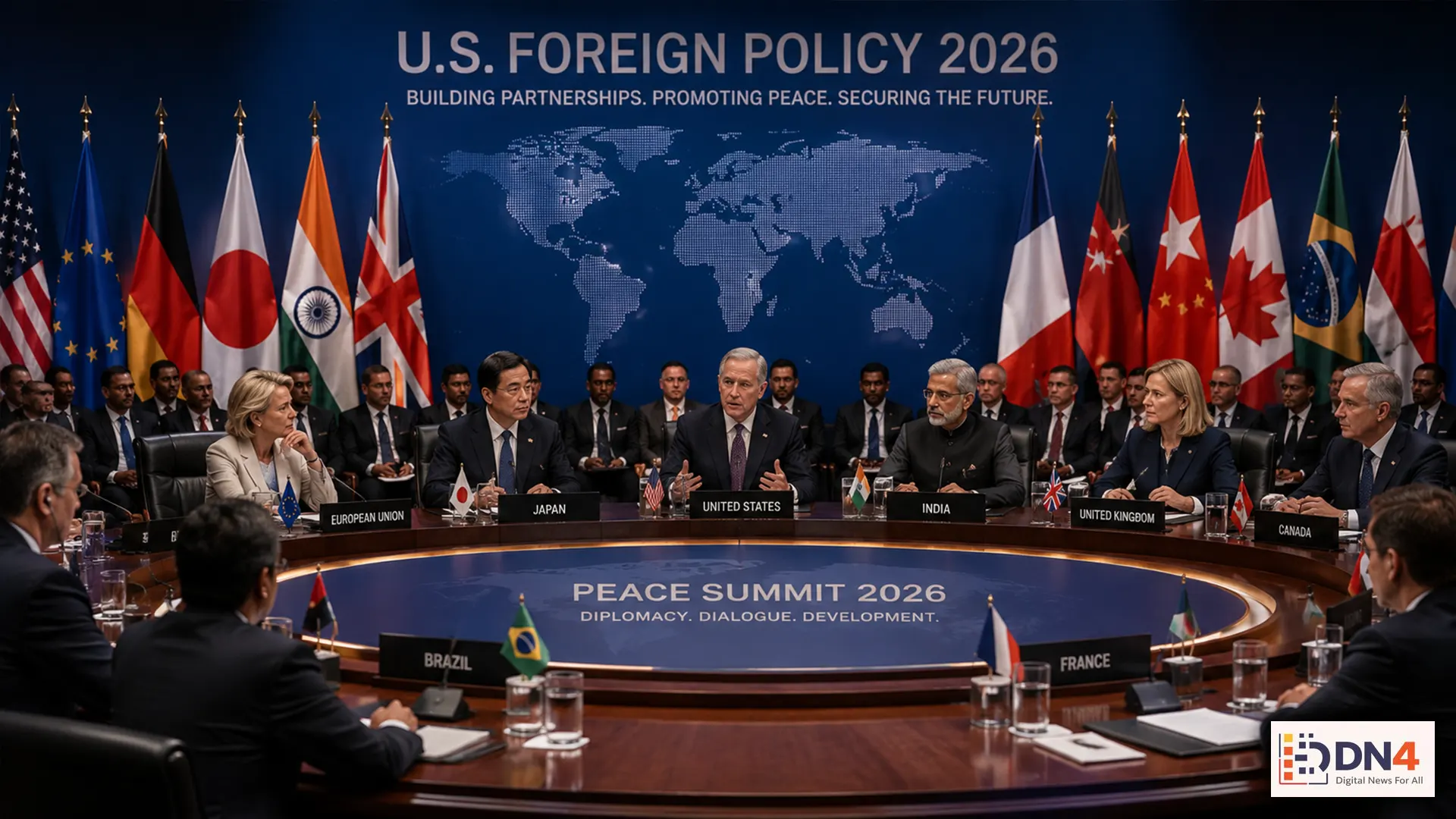
In 2026, few foreign policy issues have generated as much debate as the growing international demand for a permanent ceasefire in ongoing conflicts across the Middle East. As humanitarian concerns mount and geopolitical risks continue to impact global markets, governments, international organizations, and advocacy groups are intensifying pressure on world leaders to pursue long-term diplomatic solutions rather than temporary pauses in hostilities.
The United States, long considered one of the most influential actors in global diplomacy, now finds itself at the center of a complex debate involving security commitments, regional stability, humanitarian concerns, and strategic interests.
Why the Ceasefire Debate Has Intensified
Recent military escalations and civilian humanitarian challenges have increased calls for a sustainable ceasefire framework. International organizations including the United Nations have repeatedly emphasized the importance of diplomatic engagement to reduce civilian suffering and create conditions for long-term peace.
While temporary ceasefires have occasionally reduced violence, many analysts argue that short-term agreements often fail to address the underlying political and security issues that fuel recurring conflicts.
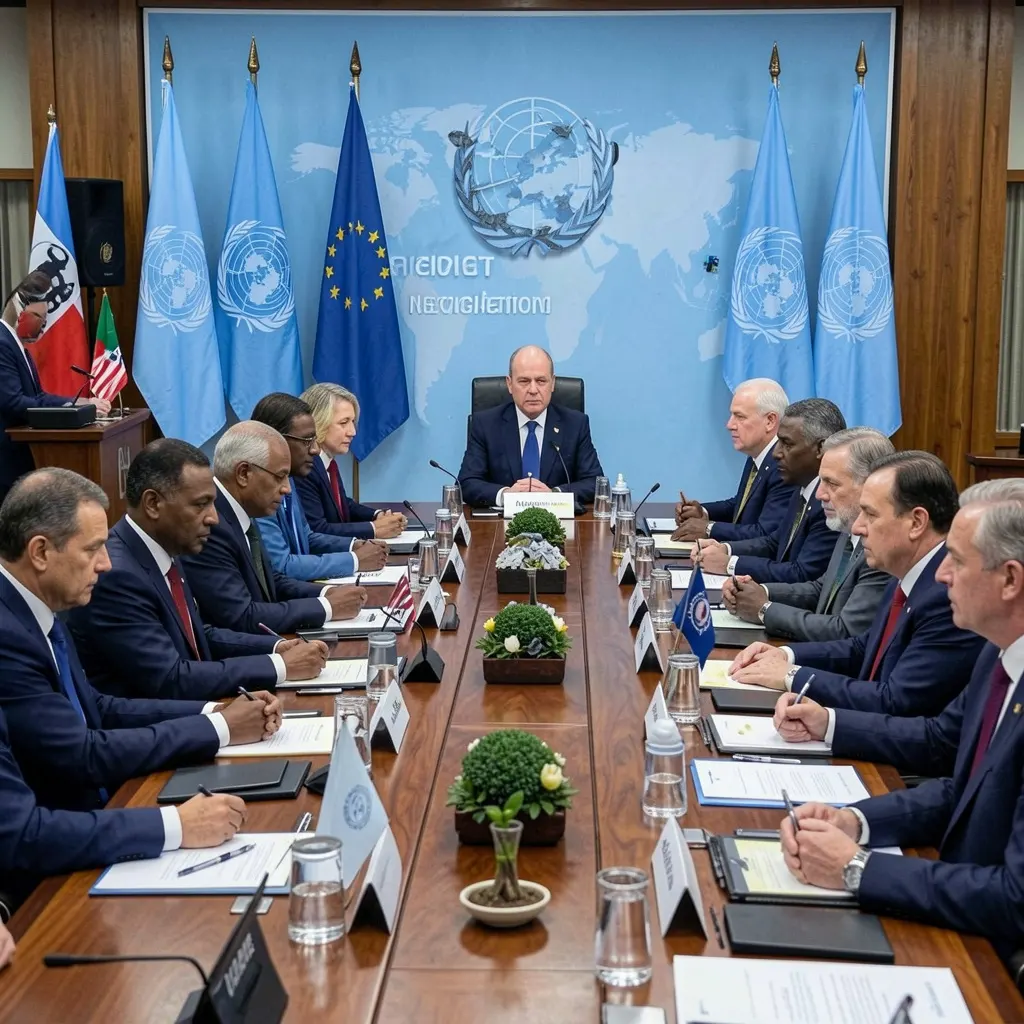
The U.S. Position in 2026
U.S. foreign policy leaders continue to balance multiple priorities. On one hand, Washington seeks to support regional allies and maintain strategic partnerships. On the other, growing international pressure has increased expectations that the United States will play a larger role in facilitating diplomatic solutions.
According to information from the U.S. Department of State, diplomatic engagement remains a key component of efforts to reduce regional tensions and support long-term stability.
Humanitarian Concerns Driving Public Opinion
One of the strongest factors behind ceasefire demands is the humanitarian impact of prolonged conflict. International aid organizations continue to raise concerns about civilian displacement, access to medical services, food security, and infrastructure damage.
The International Committee of the Red Cross and other humanitarian organizations have consistently called for greater protection of civilians and expanded access to humanitarian assistance.
As images and reports circulate globally through digital media platforms, public awareness has increased significantly, placing additional pressure on policymakers.
Economic Consequences of Prolonged Conflict
Beyond humanitarian issues, ongoing instability has economic implications that extend far beyond the affected regions. Energy markets, shipping routes, supply chains, and investor confidence can all be influenced by geopolitical uncertainty.
The International Monetary Fund has frequently highlighted how geopolitical disruptions can affect global economic growth, inflation, and market stability.
Businesses and investors are increasingly monitoring diplomatic developments as closely as military actions.
The Challenges of Achieving a Permanent Ceasefire
Despite widespread support for de-escalation, achieving a lasting ceasefire remains difficult. Historical grievances, security concerns, territorial disputes, and political divisions often complicate negotiations.
Experts from organizations such as the International Crisis Group note that successful peace agreements typically require extensive negotiations, confidence-building measures, and international support mechanisms.
Without addressing root causes, ceasefires may provide only temporary relief before tensions resurface.

Growing International Pressure
Governments across Europe, Asia, and the Middle East have increasingly voiced support for diplomatic solutions. International forums and multilateral organizations continue to encourage dialogue aimed at preventing broader regional instability.
The United Nations Peacebuilding Commission has emphasized the importance of sustainable peace initiatives that combine security, economic development, and political reconciliation.
What Could Happen Next?
Several possible scenarios are emerging. Diplomatic negotiations could lead to a more durable ceasefire agreement supported by international guarantees. Alternatively, continued disagreements among stakeholders could prolong instability and delay progress toward lasting peace.
The role of the United States will likely remain central. Its ability to engage allies, coordinate international diplomacy, and support conflict-resolution initiatives could significantly influence future developments.
Calls for a permanent ceasefire are reaching a boiling point because the stakes extend far beyond any single conflict zone. Humanitarian concerns, economic consequences, regional security challenges, and international diplomatic interests have all converged to create unprecedented pressure for long-term solutions.
As U.S. foreign policy evolves throughout 2026, the global community will be watching closely to see whether diplomatic efforts can translate growing demands for peace into lasting and meaningful outcomes.
#USForeignPolicy #PermanentCeasefire #GlobalDiplomacy #InternationalRelations #PeaceTalks #Geopolitics #WorldNews #ConflictResolution #GlobalSecurity