


The US-China trade truce has been extended by two months, giving Washington and Beijing more time to negotiate a broader economic agreement.
The arrangement was scheduled to expire on November 10. U.S. Treasury Secretary Scott Bessent said on September 23 that the two sides agreed to extend it until January 10, 2027. The extension comes as President Donald Trump and Chinese President Xi Jinping prepare for talks in Washington.
For American consumers and local businesses, the extension could provide more stability. But it does not eliminate the uncertainty surrounding tariffs, imports and supply chains.
Why the Trade Truce Matters
The current arrangement limits another immediate escalation in the tariff conflict between the world’s two largest economies.
The United States and China have spent much of the past year negotiating tariffs, export controls and other trade restrictions. The October 2025 Busan agreement helped pause additional tariff increases and some retaliatory measures.
The new extension gives negotiators additional time to work on a potentially larger agreement.
However, Bessent said it remains unclear whether a broader deal will be completed by January.
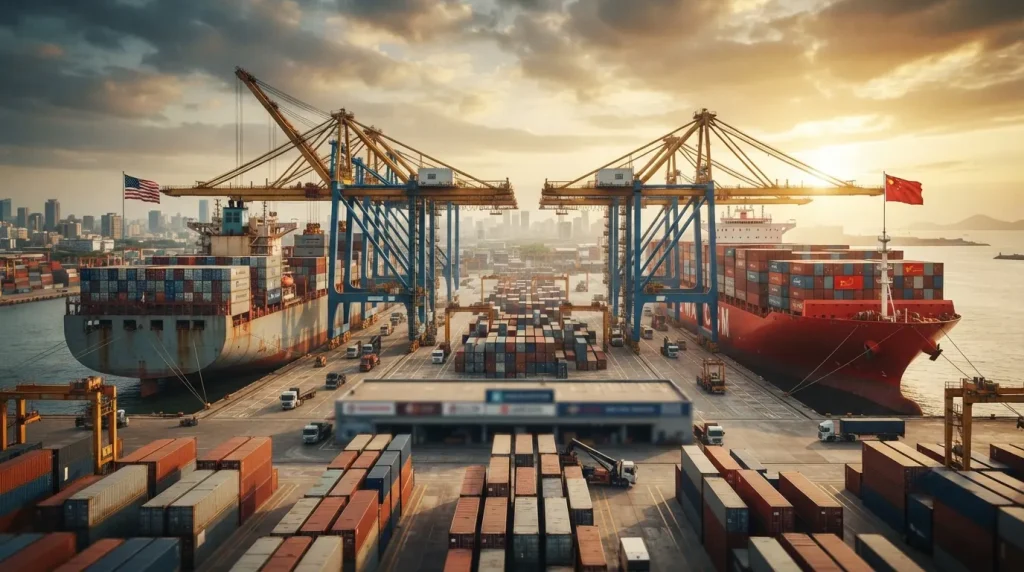
What Could It Mean for Your Wallet?
Tariffs can affect consumer prices because businesses importing goods may face higher costs. Companies can absorb those costs, renegotiate with suppliers or pass some of them through to customers.
That means the trade truce could help businesses avoid another immediate round of tariff-related cost increases.
Products with complex international supply chains may be particularly sensitive. Electronics, machinery, household products and other imported goods can involve manufacturers, distributors and retailers across multiple countries.
The U.S. Census Bureau tracks America’s international trade flows, while the U.S. International Trade Commission provides detailed information about tariffs and imported products.
Small Businesses Face a Different Challenge
Large corporations may have more options when negotiating international supply contracts. Smaller businesses often have fewer alternatives.
A local retailer importing products from China could face higher wholesale costs if tariffs increase again. A manufacturer could also face more expensive components or longer supply-chain planning cycles.
The Small Business Administration provides resources for businesses dealing with international trade, financing and changing market conditions.
For these companies, predictability can be almost as important as the tariff rate itself.
The Bigger Issues Are Still on the Table
The negotiations extend beyond tariffs.
U.S. and Chinese officials are discussing agriculture, critical minerals, technology and other economic issues. China has also been under pressure to meet commitments involving purchases of U.S. agricultural products and other goods.
Chinese officials said in September that the two countries were also consulting on a proposed $30 billion reciprocal tariff-reduction arrangement, although details had not been finalized.
That means the January deadline is another negotiation milestone rather than a guarantee of a permanent settlement.

What Should Consumers Watch?
The biggest signals will be changes in tariff rates, product exclusions, import restrictions and shipping costs.
Consumers may not see an immediate dramatic change at checkout simply because the truce has been extended. Businesses often make purchasing decisions months before products reach stores.
The U.S. Trade Representative maintains information about U.S.-China trade policy and agreements.
For local businesses, the key issue is whether the extension develops into a longer period of predictable trade conditions.
A Temporary Pause, Not a Final Deal
The extended US-China trade truce gives businesses and consumers another period without an immediate return to higher trade tensions.
But the bigger economic question remains unresolved.
If Washington and Beijing reach a broader agreement, businesses could gain more certainty when planning inventory, investment and supply chains. If negotiations fail, tariff uncertainty could return when the January deadline arrives.
For American households, that diplomatic timeline could eventually show up in a familiar place: the price tag.
#USChinaTrade #TradeTruce #Tariffs #USChina #AmericanEconomy #SmallBusiness #SupplyChains #ConsumerPrices #Economy #USA