

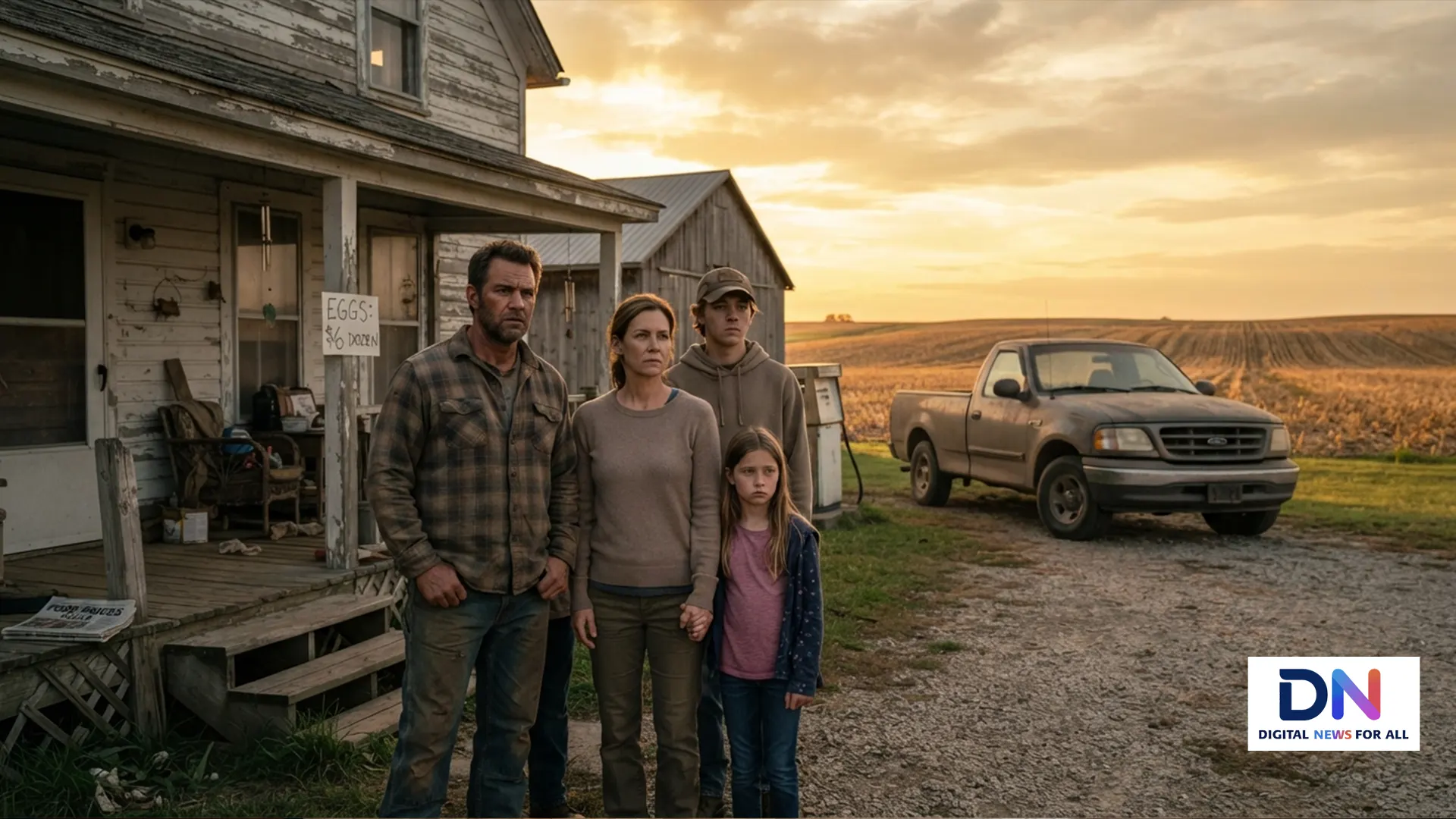
For many rural Americans, the cost of living has become a daily financial calculation. Groceries, gasoline and healthcare are putting pressure on household budgets. A new AP-KFF survey shows just how widespread that frustration has become.
About half of rural registered voters surveyed said the U.S. economy is worse off now than when Donald Trump returned to office. The survey questioned more than 2,000 rural voters across the country in August and found broad concern about both the national and local economies. Associated Press
The Cost of Everyday Essentials
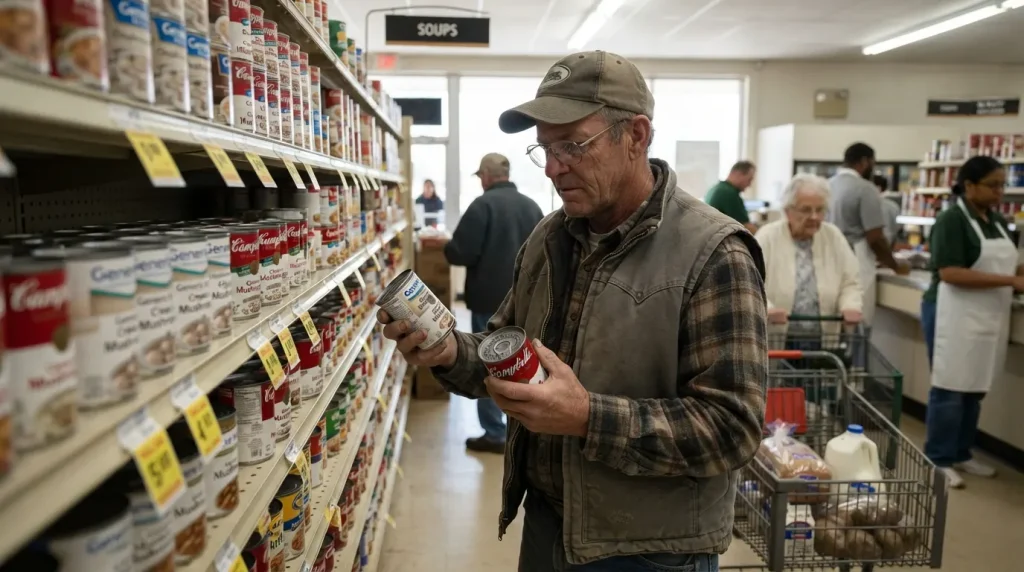
The affordability problem is not limited to one expense. Rural voters identified groceries, gas and healthcare among their biggest financial concerns.
Around three in four rural voters rated the cost of living in their communities as either “only fair” or “poor.” That represents a 25-percentage-point increase from a similar KFF-Washington Post survey in 2017. KFF
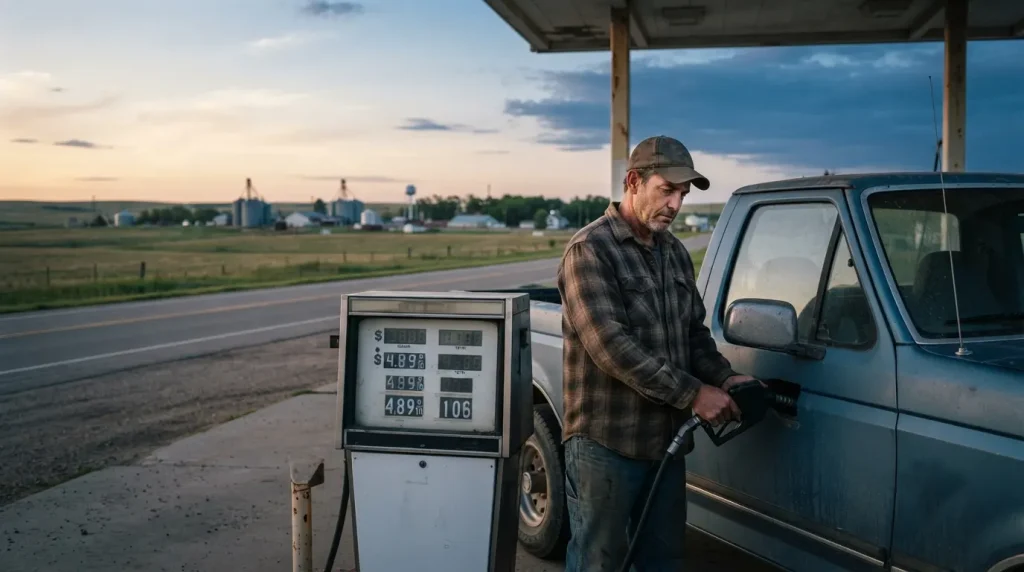
Gas prices can be especially significant in rural communities because longer driving distances often make transportation essential. Rising fuel costs can affect everything from commuting to shopping and agricultural operations.
The U.S. Energy Information Administration tracks gasoline and energy prices nationwide, providing a broader picture of the fuel costs affecting American households.
Healthcare Adds Another Layer
Healthcare affordability is another major concern. Rural communities can face additional challenges when medical providers and hospitals are farther away.
The Rural Health Information Hub documents the healthcare-access challenges facing rural communities, including workforce shortages and geographic barriers.
For families already managing higher transportation costs, an unexpected medical bill or long-distance trip for treatment can create another financial burden.
Jobs Matter as Much as Prices
Cost-of-living pressure is also connected to employment opportunities.
The AP-KFF survey found that 72% of rural voters rated job opportunities in their communities negatively. About one-quarter said there are fewer good-paying jobs where they live than five years ago. KFF Health News
The U.S. Department of Agriculture’s Economic Research Service has long tracked differences between rural and metropolitan economies, including employment, wages and poverty.
A Problem That Crosses Party Lines
Economic frustration is not confined to one political group. The AP-KFF findings show that rural Republicans generally view the national economy more positively than rural Democrats and independents. Yet even among rural Republicans, only 45% said Trump had improved their local economies.
That distinction matters. People can have different views of national economic conditions while experiencing similar pressures at the checkout counter or gas station.
The Bureau of Labor Statistics provides the official federal data used to track consumer prices, wages and employment across the United States.
What Comes Next for Rural America?
The cost-of-living crisis has become more than an economic statistic. For many rural households, it is shaping how they think about work, healthcare, transportation and household spending.
Whether prices stabilize will depend on several factors, including energy costs, inflation, wages, interest rates and broader economic conditions.
For rural voters, however, the central question is simpler: Can household incomes keep pace with the cost of everyday life?
As the 2026 election season continues, affordability is likely to remain an important issue in rural communities. The latest polling shows that economic concerns are already competing with other major political issues for voters’ attention.
#RuralAmerica #CostOfLiving #Economy #Inflation #RuralVoters #AmericanEconomy #Groceries #GasPrices #Healthcare #USA