

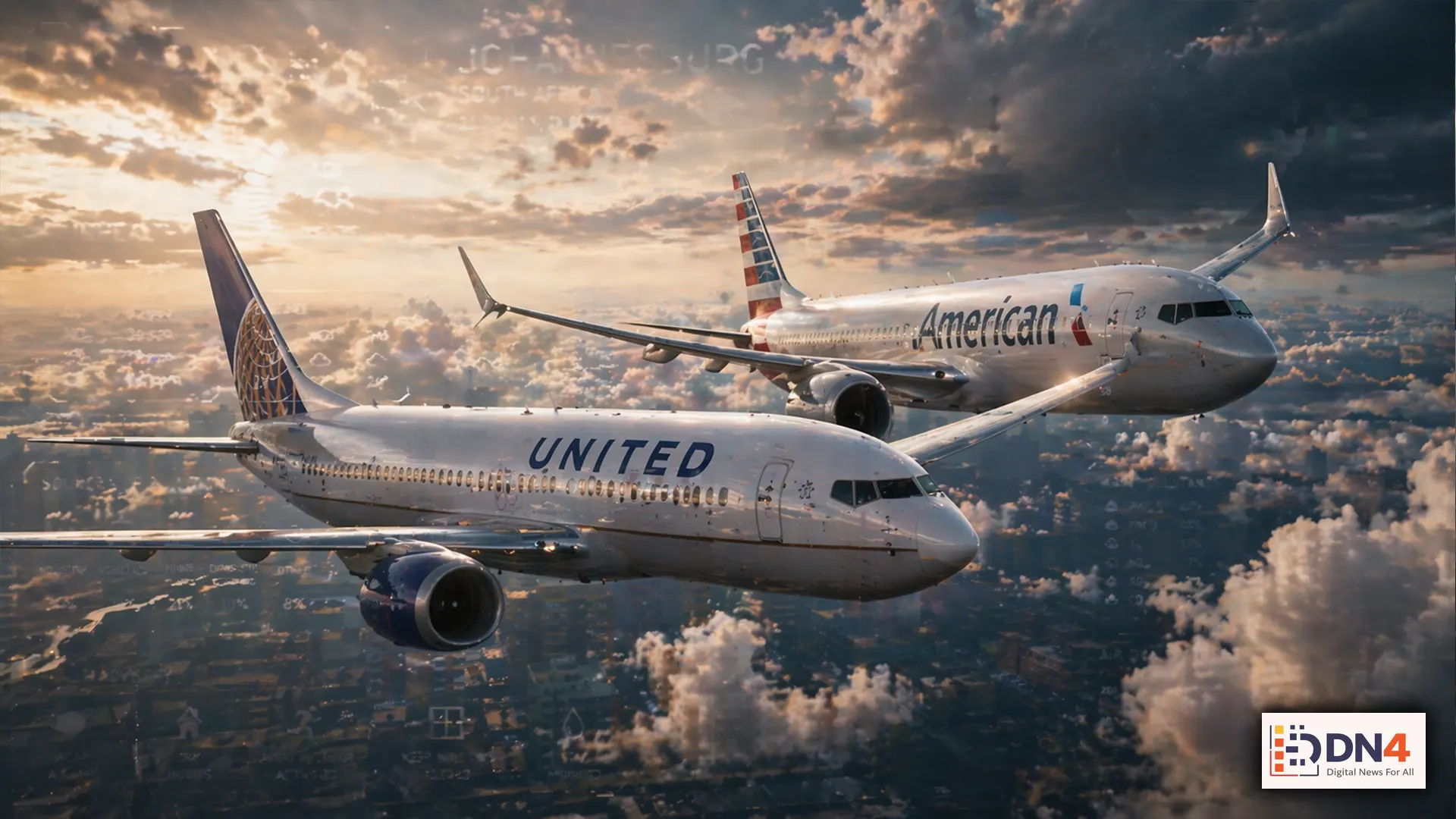
The global aviation industry is buzzing with speculation: could United Airlines and American Airlines be heading toward a historic merger in 2026? If it happens, the deal would create one of the largest airline giants in history—reshaping air travel across the globe.
Why a Merger Is Being Discussed
The airline industry has long been prone to consolidation, especially during times of economic pressure. Rising fuel costs, fluctuating demand, and intense competition are pushing carriers to explore strategic partnerships.
According to analysis from the International Air Transport Association (IATA), consolidation can improve efficiency, reduce operational costs, and strengthen global networks.
What Would a United-American Deal Look Like?
A merger between United and American would combine vast route networks, fleets, and customer bases. The potential benefits could include:
- Expanded Global Reach: A unified network covering more destinations worldwide
- Operational Efficiency: Streamlined operations and shared resources
- Stronger Competitive Position: Ability to compete with global rivals
However, such a deal would also face intense scrutiny from regulators like the U.S. Department of Transportation and antitrust authorities.
Challenges and Regulatory Hurdles
Airline mergers are notoriously complex. Regulators are likely to raise concerns about reduced competition, higher fares, and limited consumer choice.
Past mergers—such as Delta with Northwest and American with US Airways—faced similar scrutiny. Insights from Reuters Aerospace News suggest that any new mega-merger would undergo even stricter review in today’s regulatory environment.
Impact on Travelers
For passengers, the effects could be mixed:
- Pros: More seamless connections and expanded loyalty programs
- Cons: Potential fare increases due to reduced competition
Consumer advocacy groups warn that fewer major airlines could lead to less price competition, particularly on popular routes.
How Competitors Might Respond
A United-American merger would likely trigger reactions across the industry. Competitors like Delta Air Lines and international carriers may seek partnerships or alliances to maintain market share.
Low-cost carriers could also benefit by positioning themselves as affordable alternatives.

The Bigger Industry Trend
The potential deal reflects a broader trend toward consolidation in global aviation. As airlines face rising costs and evolving customer expectations, scale is becoming increasingly important.
Reports from the World Bank highlight how global economic shifts are influencing transportation industries, including aviation.
Is a 2026 Deal Realistic?
While the idea is gaining attention, experts remain cautious. Negotiations, regulatory approvals, and integration challenges could take years—making 2026 an ambitious timeline.
Still, the mere possibility signals how rapidly the aviation landscape is evolving.
A United-American Airlines merger would be a game-changer for the industry. While the benefits could be significant, the challenges are equally substantial.
For now, travelers and industry watchers alike will be keeping a close eye on developments. Because if this deal takes off, it could redefine the future of air travel.
#AirlineMerger #UnitedAirlines #AmericanAirlines #AviationNews #AirTravel #BusinessNews #TravelIndustry #Airlines #GlobalTravel