

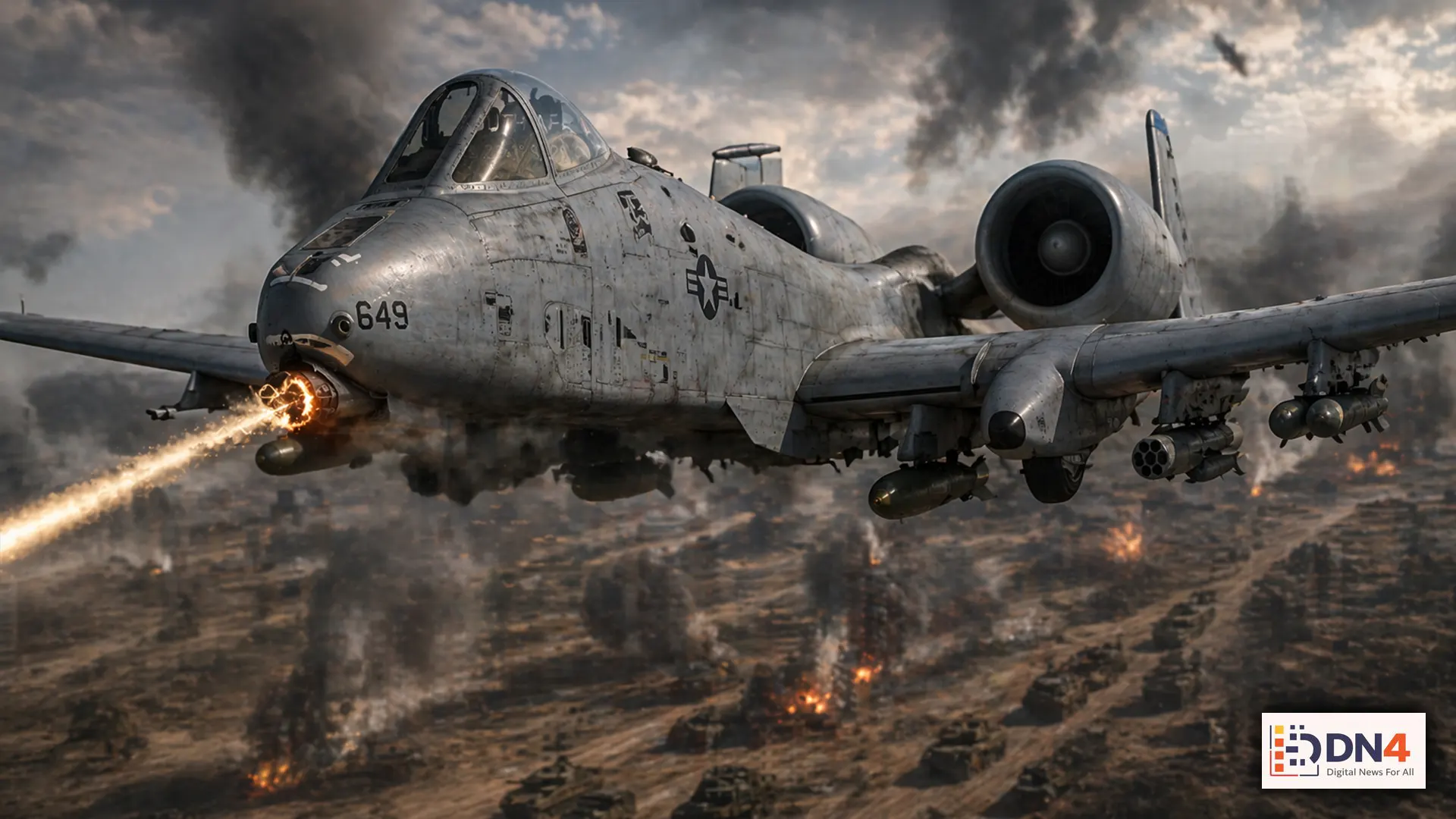
In an era dominated by stealth fighters and advanced drones, the A-10 Warthog—nicknamed for its unmistakable “Brrrrt” sound—has once again defied expectations. The Pentagon has officially extended the aircraft’s service life to 2030, ensuring that this Cold War-era icon remains a key part of the U.S. Air Force arsenal.
What Makes the A-10 So Special?
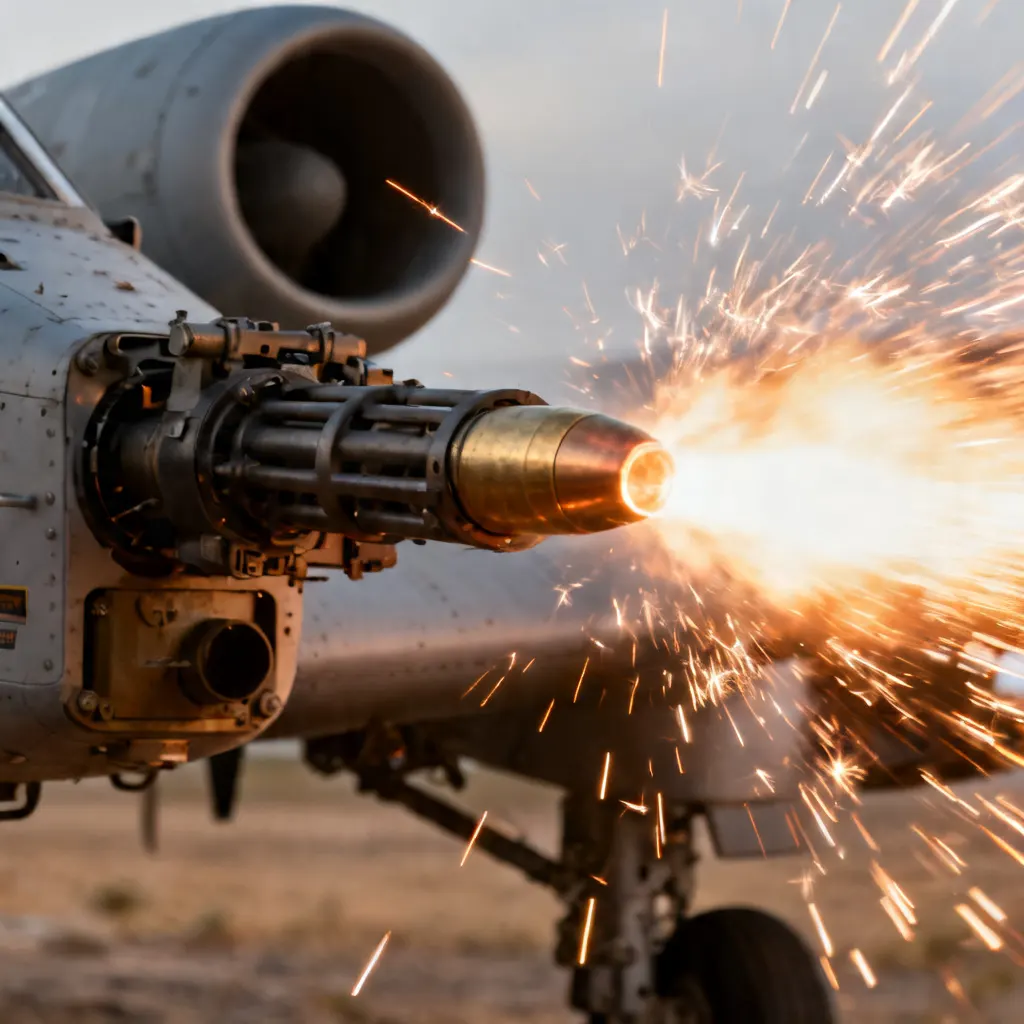
The A-10 Thunderbolt II was designed for one purpose: close air support. Built around its powerful GAU-8 Avenger cannon, the aircraft can deliver devastating firepower against ground targets with unmatched precision.
According to historical data from the National Museum of the U.S. Air Force, the A-10 has proven its effectiveness in multiple conflicts, from the Gulf War to operations in Afghanistan.
Why Extend Its Service Now?
Despite repeated attempts to retire the A-10, military leaders continue to recognize its unique value. Reports from Reuters Defense News suggest several key reasons behind the extension:
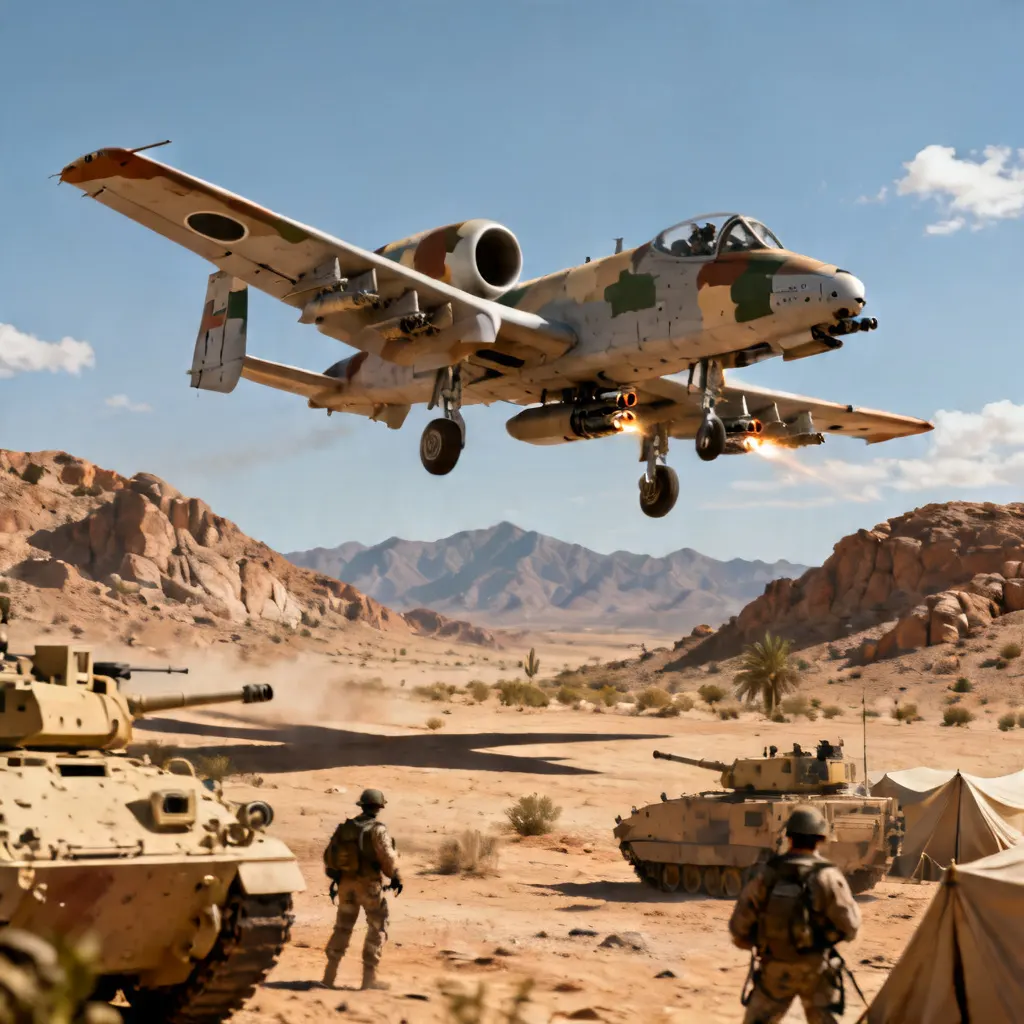
- Unmatched Close Air Support: No modern aircraft replicates its ability to operate low and slow while supporting ground troops.
- Cost Efficiency: The A-10 is significantly cheaper to operate compared to advanced jets like the F-35.
- Battlefield Proven: Decades of combat experience make it a reliable asset.
The “Brrrrt” Factor
The A-10’s signature sound comes from its GAU-8 cannon, capable of firing thousands of rounds per minute. This weapon is not just iconic—it’s highly effective in neutralizing armored vehicles and enemy positions.
For troops on the ground, the sound of the Warthog often signals immediate support, boosting morale in high-risk situations.
Challenges in Replacing the A-10
Efforts to replace the A-10 with newer platforms have faced significant hurdles. While aircraft like the F-35 offer advanced stealth and multi-role capabilities, they lack the durability and specialized design of the Warthog.
Experts from RAND Corporation highlight that modern jets are not optimized for the same mission profile, particularly in low-altitude combat environments.
Modern Upgrades Keep It Relevant
To extend its lifespan, the A-10 has undergone several upgrades, including improved avionics, targeting systems, and wing replacements. These enhancements ensure the aircraft remains effective against evolving threats.
The Boeing-led wing replacement program, for example, has significantly increased the aircraft’s operational life.
What This Means for Future Warfare
The decision to keep the A-10 flying reflects a broader shift in military strategy. While cutting-edge technology is essential, there is still a critical role for specialized, battle-tested platforms.
As conflicts become more complex, a mix of old and new systems may offer the best balance between capability and cost.
The Bigger Picture
The A-10’s extension underscores the importance of mission-specific design in military aviation. Rather than replacing the Warthog outright, the Pentagon is choosing to preserve a capability that remains unmatched.
The “Brrrrt” isn’t going away anytime soon. By extending the A-10’s service life to 2030, the Pentagon is acknowledging that sometimes, older technology still outperforms modern alternatives in critical roles.
For soldiers on the ground, that’s a reassuring sound—and a powerful reminder that effectiveness matters more than hype.
#A10Warthog #MilitaryAviation #Pentagon #USAirForce #DefenseNews #Aircraft #WarTech #Aviation #MilitaryTech