

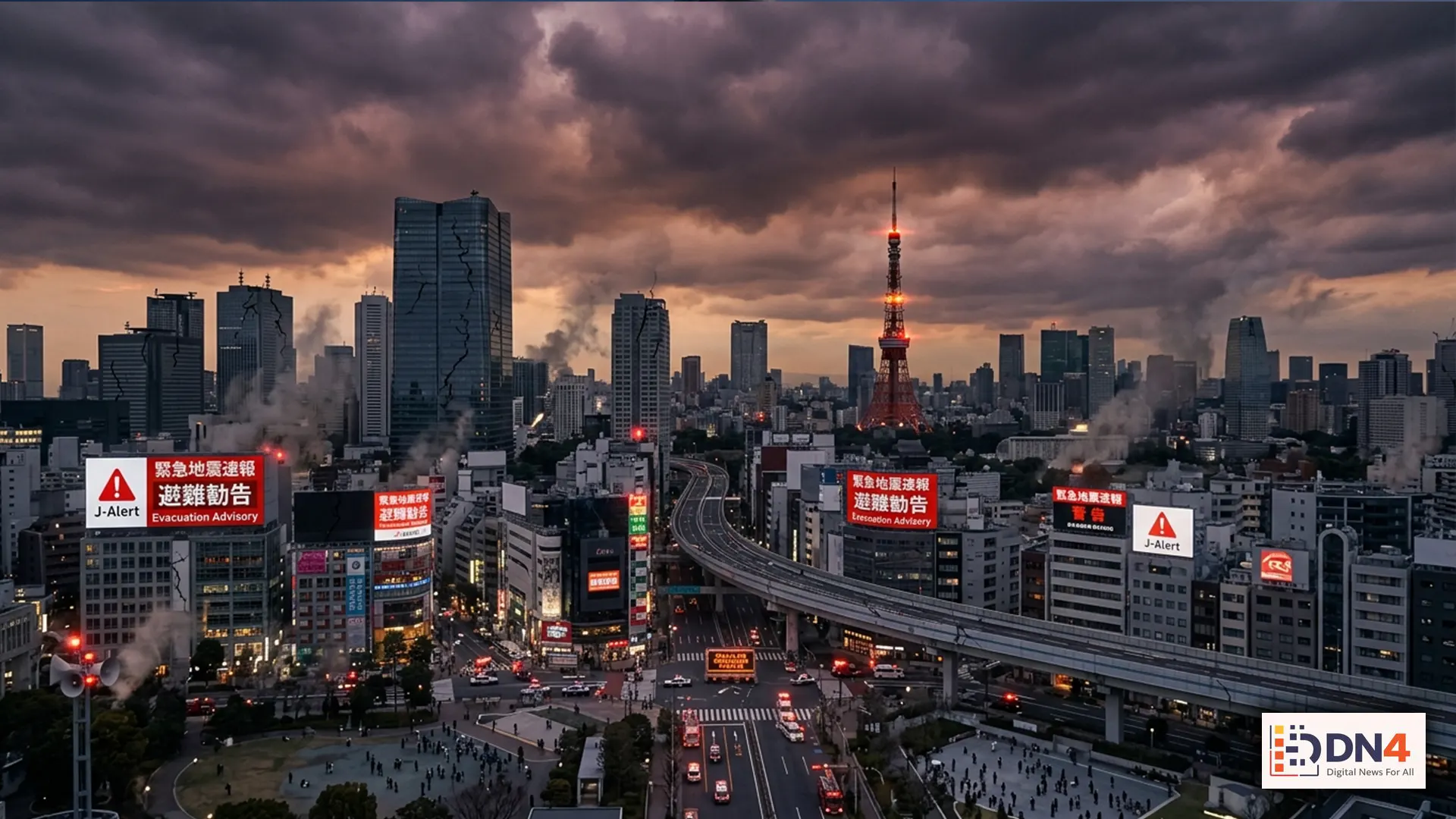
A powerful 7.7 magnitude earthquake off the coast of Iwate has sent shockwaves across Japan—both literally and politically. While no catastrophic damage has yet been reported, the event has triggered Japan’s newly implemented “Mega-Earthquake Advisory”, putting Tokyo and surrounding regions on heightened alert.
The advisory marks a significant shift in how Japan responds to seismic threats, reflecting growing concerns about the long-anticipated “big one.”
What Happened in Iwate?
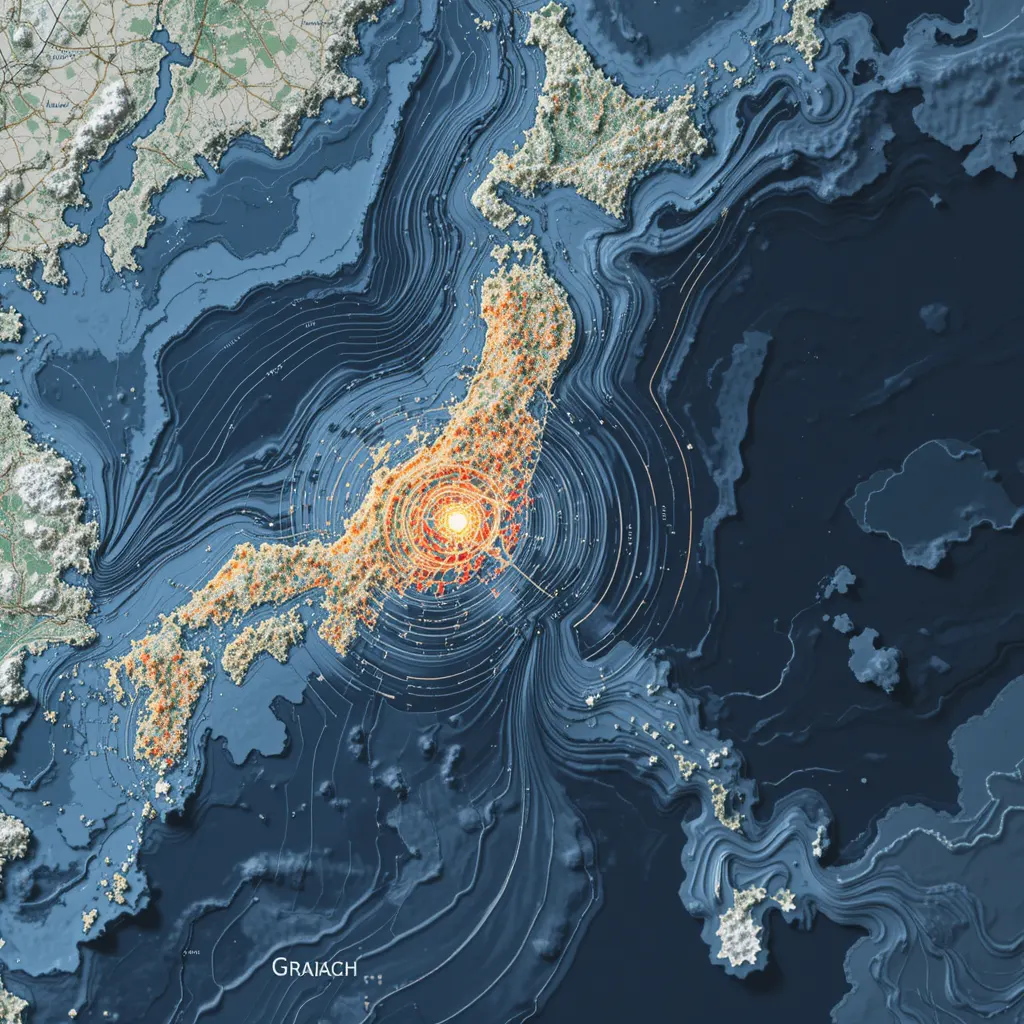
The earthquake struck offshore near Iwate Prefecture, an area already known for its seismic activity due to its position along the Pacific Ring of Fire. According to data from the Japan Meteorological Agency, the quake registered a magnitude of 7.7, making it one of the strongest in recent years.
Though tsunami warnings were initially considered, authorities quickly downgraded the threat. However, the sheer magnitude of the quake was enough to activate emergency protocols nationwide.
What Is the Mega-Earthquake Advisory?
Japan’s Mega-Earthquake Advisory is a new early warning system designed to prepare the country for large-scale seismic events. Unlike standard alerts, this advisory signals an increased probability of a much larger quake occurring in the near future.
The system is part of Japan’s broader disaster preparedness strategy, developed in collaboration with organizations like the U.S. Geological Survey and global seismic research institutions.
Why Tokyo Is on High Alert
Tokyo, located hundreds of kilometers from the epicenter, remains on edge. Experts warn that large earthquakes can trigger aftershocks or even larger seismic events along connected fault lines.
- Population Density: Tokyo’s massive population makes any major quake potentially devastating.
- Infrastructure Risk: Despite advanced engineering, older structures remain vulnerable.
- Economic Impact: As a global financial hub, disruptions in Tokyo could ripple across international markets.
Reports from Reuters Asia Pacific indicate that authorities are closely monitoring seismic activity while urging residents to remain prepared.
Lessons from the Past
Japan’s cautious approach is shaped by past disasters, particularly the 2011 Tōhoku earthquake and tsunami, which caused widespread devastation and a nuclear crisis.
That event underscored the importance of early warnings, rapid response systems, and public awareness—lessons that are now embedded in the Mega-Earthquake Advisory framework.
How Japan Is Preparing
Authorities are taking proactive steps to mitigate risks:
- Conducting emergency drills across major cities
- Inspecting infrastructure such as bridges and railways
- Enhancing communication systems for real-time alerts
Technology also plays a key role, with smartphone alerts and AI-driven monitoring systems helping detect and respond to seismic activity faster than ever before.

What Residents and Travelers Should Do
Experts recommend staying prepared without panicking:
- Keep emergency kits ready
- Follow updates from official sources like the Japan Meteorological Agency
- Be aware of evacuation routes and safety protocols
Travelers are also advised to stay informed and follow local guidance during their stay in Japan.
The Bigger Picture
The Iwate quake is a stark reminder of Japan’s vulnerability to seismic activity. While the Mega-Earthquake Advisory aims to reduce risk, it also highlights the unpredictable nature of earthquakes.
As scientists continue to study tectonic patterns, one thing remains clear: preparedness is the best defense.
The 7.7 magnitude quake off Iwate has not only shaken the ground but also reinforced the urgency of disaster readiness. With Tokyo on high alert, Japan is once again demonstrating its commitment to staying one step ahead of nature’s most powerful forces.
#JapanEarthquake #TokyoAlert #IwateQuake #DisasterPreparedness #SeismicActivity #BreakingNews #Earthquake #AsiaNews #SafetyFirst