

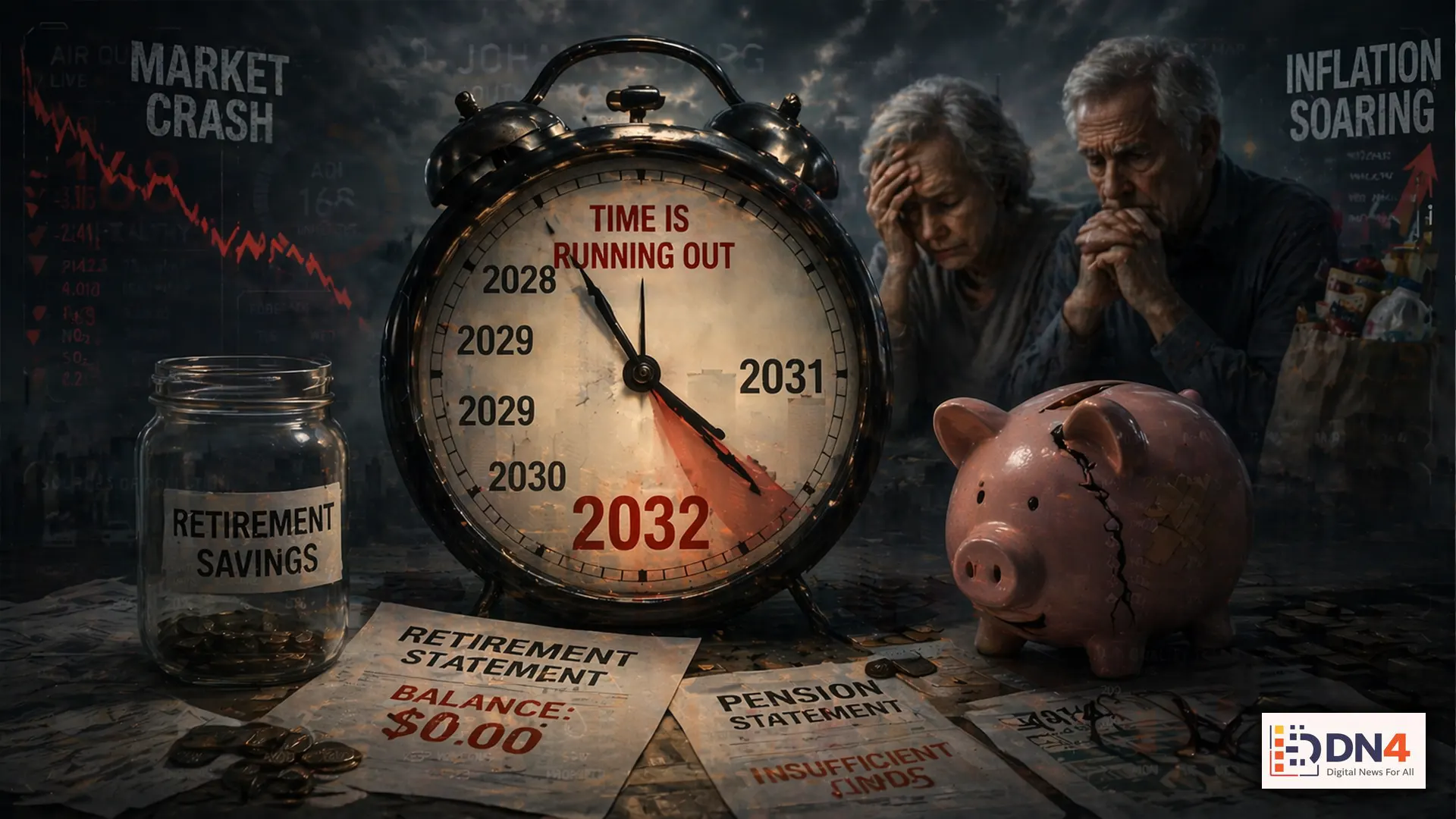
The latest Social Security Trustees Report has delivered a stark warning: the system’s trust funds could face significant depletion as early as 2032. For millions of Americans, this isn’t just a policy issue—it’s a wake-up call to rethink retirement planning.
What the Trustees Report Reveals
The report outlines the financial health of Social Security and Medicare, projecting future income and expenses. According to data analyzed by the Congressional Budget Office, demographic shifts—such as an aging population and lower birth rates—are placing increasing pressure on the system.
If no changes are made, benefits could be reduced once reserves are depleted, potentially impacting retirees across income levels.
Why 2032 Matters
The year 2032 is being highlighted as a potential tipping point. While Social Security won’t disappear, it may only be able to pay a portion of promised benefits.
- Benefit Reductions: Monthly payments could drop significantly
- Increased Uncertainty: Future retirees face unpredictable income streams
- Policy Changes: Governments may introduce reforms such as tax increases or eligibility adjustments
Insights from the Brookings Institution suggest that early action could mitigate these risks—but time is running out.
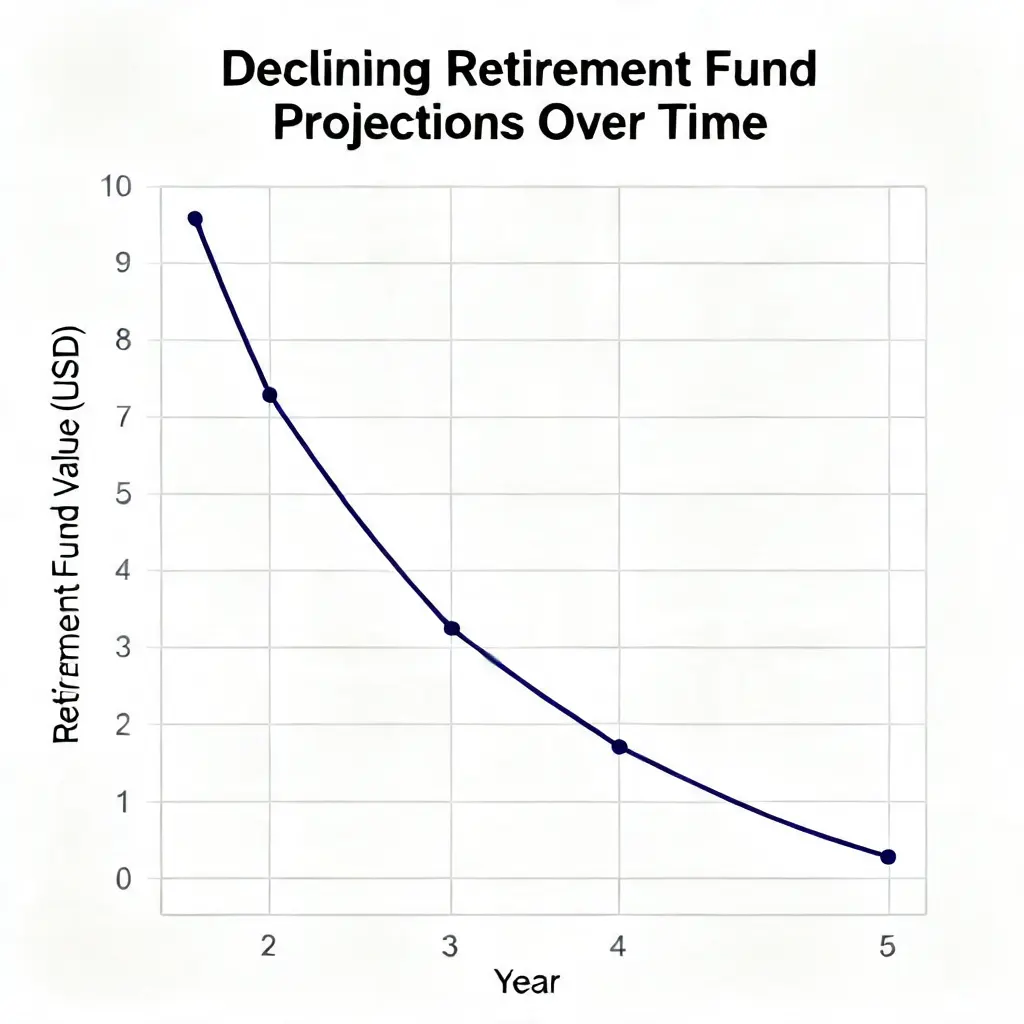
How This Affects Your Retirement Strategy
The report underscores the importance of diversifying retirement income. Relying solely on Social Security is no longer a safe strategy.
1. Increase Personal Savings
Consider maximizing contributions to retirement accounts such as 401(k)s and IRAs. Platforms like Fidelity Investments offer tools to help plan and track savings goals.
2. Invest Strategically
Building a diversified portfolio can help offset potential reductions in benefits. Financial advisors often recommend a mix of stocks, bonds, and alternative assets.
3. Delay Retirement if Possible
Working longer can increase your Social Security benefits and provide additional time to save.
4. Explore Additional Income Streams
Side businesses, rental income, or freelance work can supplement retirement savings.
The Bigger Economic Impact
The potential shortfall isn’t just a personal finance issue—it has broader economic implications. Reduced benefits could affect consumer spending, healthcare affordability, and overall economic stability.
Organizations like the International Monetary Fund have warned that aging populations are a global challenge, not just a U.S. concern.

What Policymakers Might Do
Possible solutions include:
- Raising payroll taxes
- Increasing the retirement age
- Adjusting benefit formulas
However, political challenges make swift action uncertain, placing more responsibility on individuals to prepare.
Why Acting Now Is Critical
The earlier you adjust your retirement strategy, the more options you have. Waiting until the crisis hits could limit your ability to adapt.
Financial experts emphasize that even small changes—like increasing savings rates or reducing debt—can have a significant impact over time.
The 2032 countdown is more than a headline—it’s a call to action. While policymakers debate solutions, individuals must take control of their financial future.
By planning ahead and diversifying income sources, you can build a more secure retirement—regardless of what happens to Social Security.
#RetirementPlanning #SocialSecurity #Finance #Investing #Savings #MoneyManagement #EconomicNews #PersonalFinance #FuturePlanning