

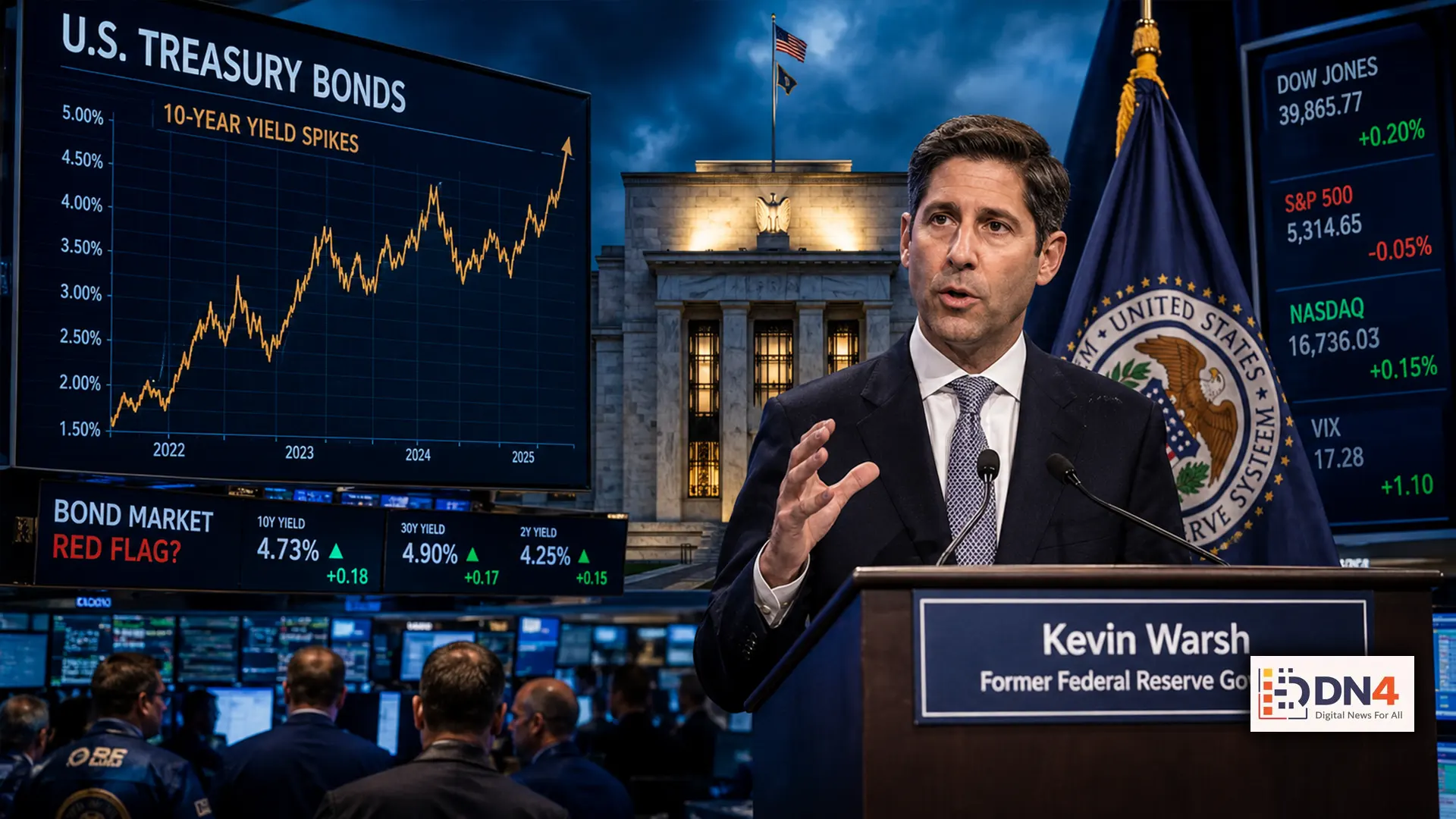
The U.S. bond market is flashing what many analysts call a “red flag” as investors closely watch the possibility of Kevin Warsh becoming the next Chair of the Federal Reserve. While no leadership change automatically guarantees a shift in monetary policy, financial markets often react well before official decisions are announced.
Why the Bond Market Is Watching
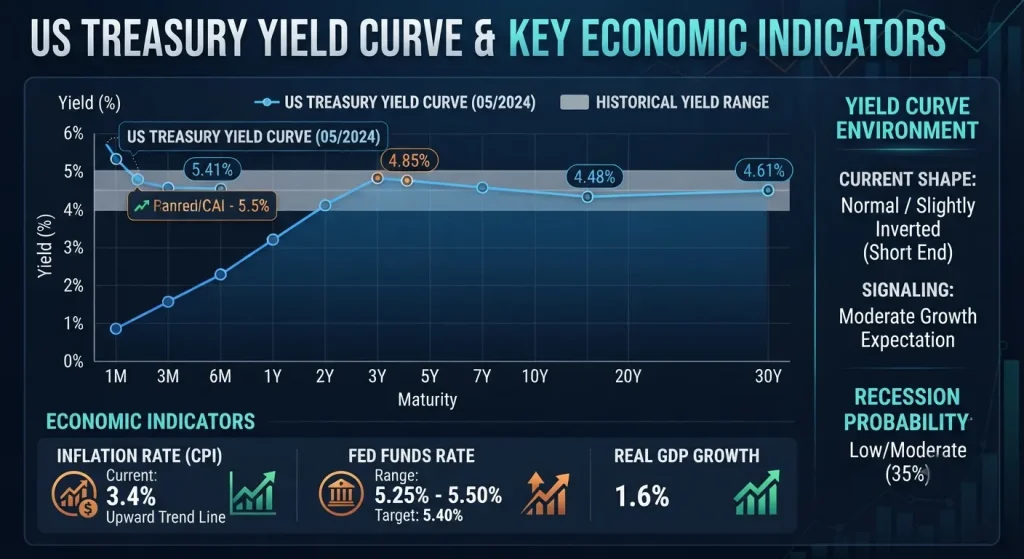
Treasury yields serve as one of the world’s most important financial benchmarks. When investors expect inflation, policy shifts, or economic uncertainty, bond prices and yields move quickly. Speculation surrounding future Federal Reserve leadership can influence these expectations.
If investors believe a future Fed Chair may take a different approach toward inflation or interest rates, longer-term Treasury yields could rise, increasing borrowing costs throughout the economy.
What Kevin Warsh Could Mean
Kevin Warsh previously served as a Federal Reserve Governor during the 2008 financial crisis. Markets generally view him as supportive of maintaining inflation discipline while emphasizing financial stability. Investors continue to debate how his leadership could affect future rate decisions.
Although no policy changes are guaranteed, even expectations alone can move financial markets, especially bonds.
How It Could Affect Your Money
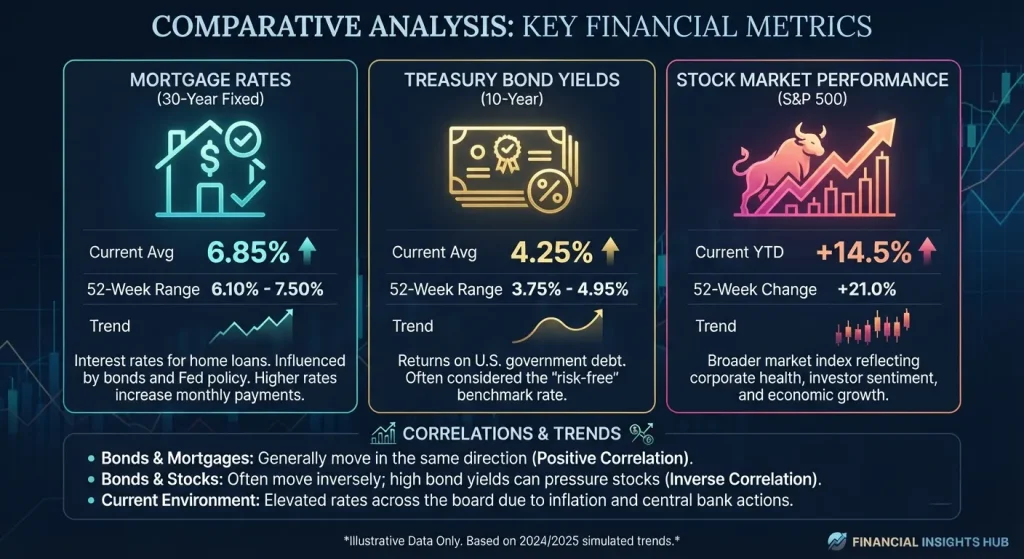
- Mortgage rates may remain elevated if Treasury yields increase.
- Bond prices could experience additional volatility.
- High-yield savings accounts may continue offering attractive returns.
- Stock markets could experience short-term swings as investors reassess valuations.
Should Investors Be Concerned?
Financial advisors generally recommend avoiding emotional reactions to political or leadership speculation. Instead, investors should focus on diversification, long-term planning, and reviewing portfolio risk.
The Federal Reserve bases decisions on economic data including inflation, employment, and overall financial conditions rather than market speculation alone.
The bond market’s recent movements highlight how sensitive investors remain to future Federal Reserve leadership. Whether Kevin Warsh ultimately becomes Fed Chair or not, expectations surrounding monetary policy will continue influencing bonds, mortgages, and investment markets.
For long-term investors, understanding these signals can help make informed financial decisions without overreacting to short-term headlines.