

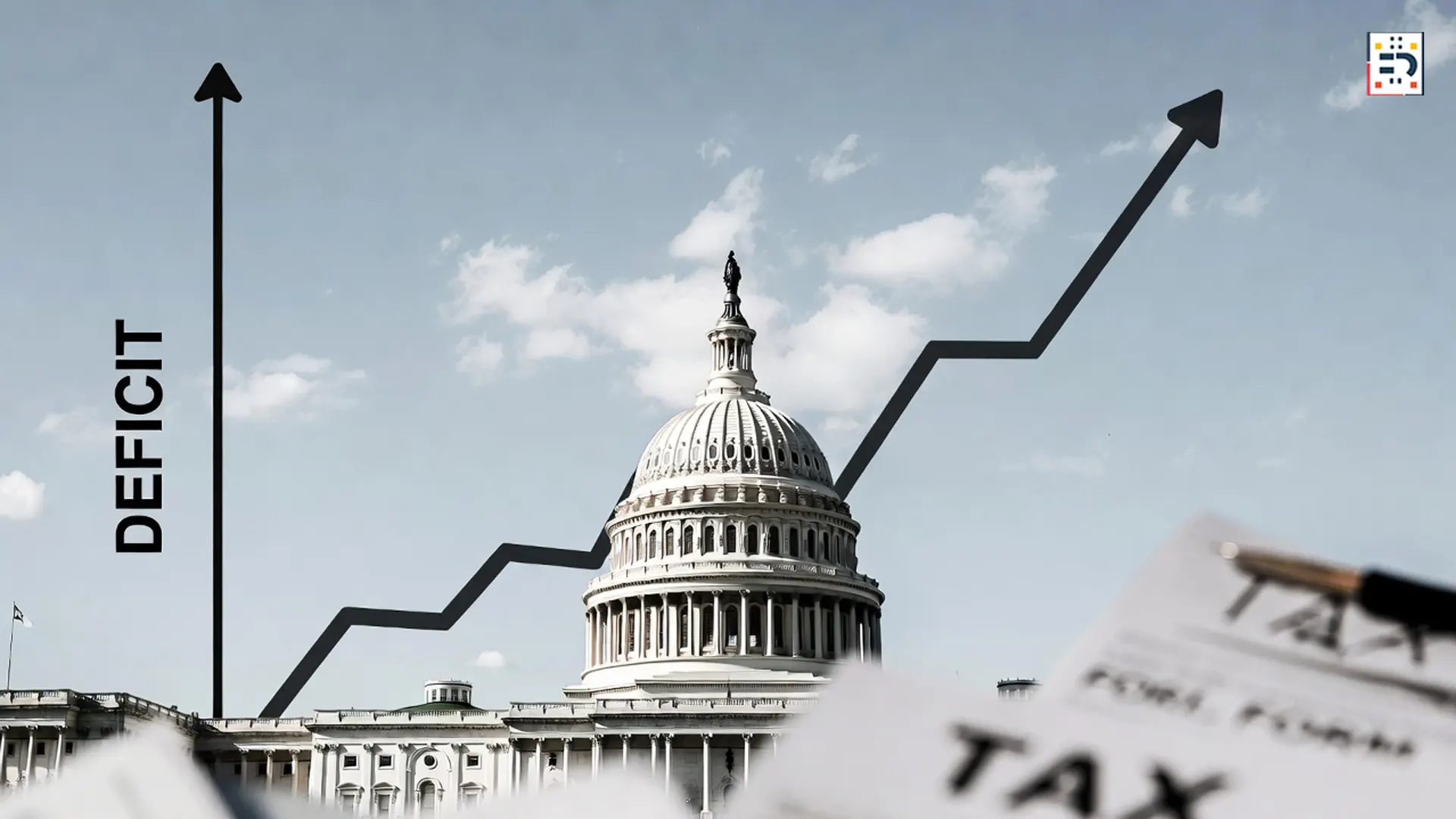
As Washington looks toward 2026, one proposal drawing growing attention is the so-called “One Big Beautiful Bill” Act (OBBBA). While the name may sound familiar from past political rhetoric, the core policy idea is serious: a large, multi-year legislative package that front-loads spending and tax changes, increasing deficits in the early years with the promise of longer-term economic benefits.
For the average American, the key question isn’t the politics — it’s simple: how could front-loaded deficits affect your tax return and take-home pay?
What Does “Front-Loaded Deficits” Mean?
A front-loaded deficit occurs when government spending or tax cuts are concentrated in the early years of a law, while offsets or savings are delayed. Budget analysts at the Congressional Budget Office (CBO) often flag this structure because it increases near-term borrowing even if a bill claims long-term balance.
In practical terms, the government spends more now — and finances that gap by issuing debt.
Why the OBBBA Is a 2026 Flashpoint
Large, consolidated bills have become common tools for passing sweeping fiscal changes. According to fiscal data from the U.S. Department of the Treasury, rising federal deficits directly influence borrowing needs and interest costs.

Supporters of a front-loaded approach argue that early stimulus can boost growth, wages, and investment. Critics counter that higher deficits increase long-term risk — especially if growth assumptions fall short.
How Deficits Can Reach Your Tax Return
While deficits don’t show up as a line item on your Form 1040, their effects can still hit your wallet in several ways.
1. Future Tax Policy Pressure
When deficits expand, lawmakers often look for ways to stabilize revenue. That can mean:
- Letting temporary tax cuts expire
- Reducing deductions or credits
- Adjusting payroll or capital gains taxes
The Internal Revenue Service (IRS) administers these changes, but Congress ultimately decides which provisions stay or sunset.
2. Interest Rates and Refund Size
Higher deficits can contribute to upward pressure on interest rates. The Federal Reserve considers fiscal conditions when setting policy, especially if government borrowing competes with private credit.
Higher rates can affect:
- Mortgage and auto loan costs
- Credit card interest
- The real value of tax refunds after inflation
3. Inflation’s Hidden Tax Effect
If deficit spending contributes to inflation, it can quietly reduce purchasing power. Even if your nominal income rises, inflation can push you into higher tax brackets — a phenomenon economists call “bracket creep.”
Economic research from organizations like the Brookings Institution frequently highlights how inflation interacts with tax policy in subtle but meaningful ways.
Who Feels the Impact Most?
The effects of a front-loaded deficit strategy are not evenly distributed. Middle-income households often feel changes first through expiring credits, adjusted withholding tables, or higher borrowing costs.
Meanwhile, long-term projections from the U.S. Government Accountability Office (GAO) warn that sustained deficits can limit future flexibility for programs like Social Security and Medicare.
What Should Taxpayers Watch in 2026?
If the OBBBA or a similar package advances, taxpayers should pay attention to:
- Which tax provisions are temporary versus permanent
- Sunset dates on credits and deductions
- Changes to withholding guidance
- Interest rate trends tied to federal borrowing
Understanding the structure of the bill matters more than the headline number.
The “One Big Beautiful Bill” Act highlights a broader truth about fiscal policy: front-loaded deficits don’t stay in Washington. Over time, they influence taxes, interest rates, and household budgets.
Whether the promised growth materializes or not, the way these deficits are structured will play a major role in shaping what Americans see — and keep — on their tax returns in the years ahead.
#OBBBA #FederalDeficits #TaxPolicy2026 #USBudget #PersonalFinance #EconomicPolicy #TaxReturns