

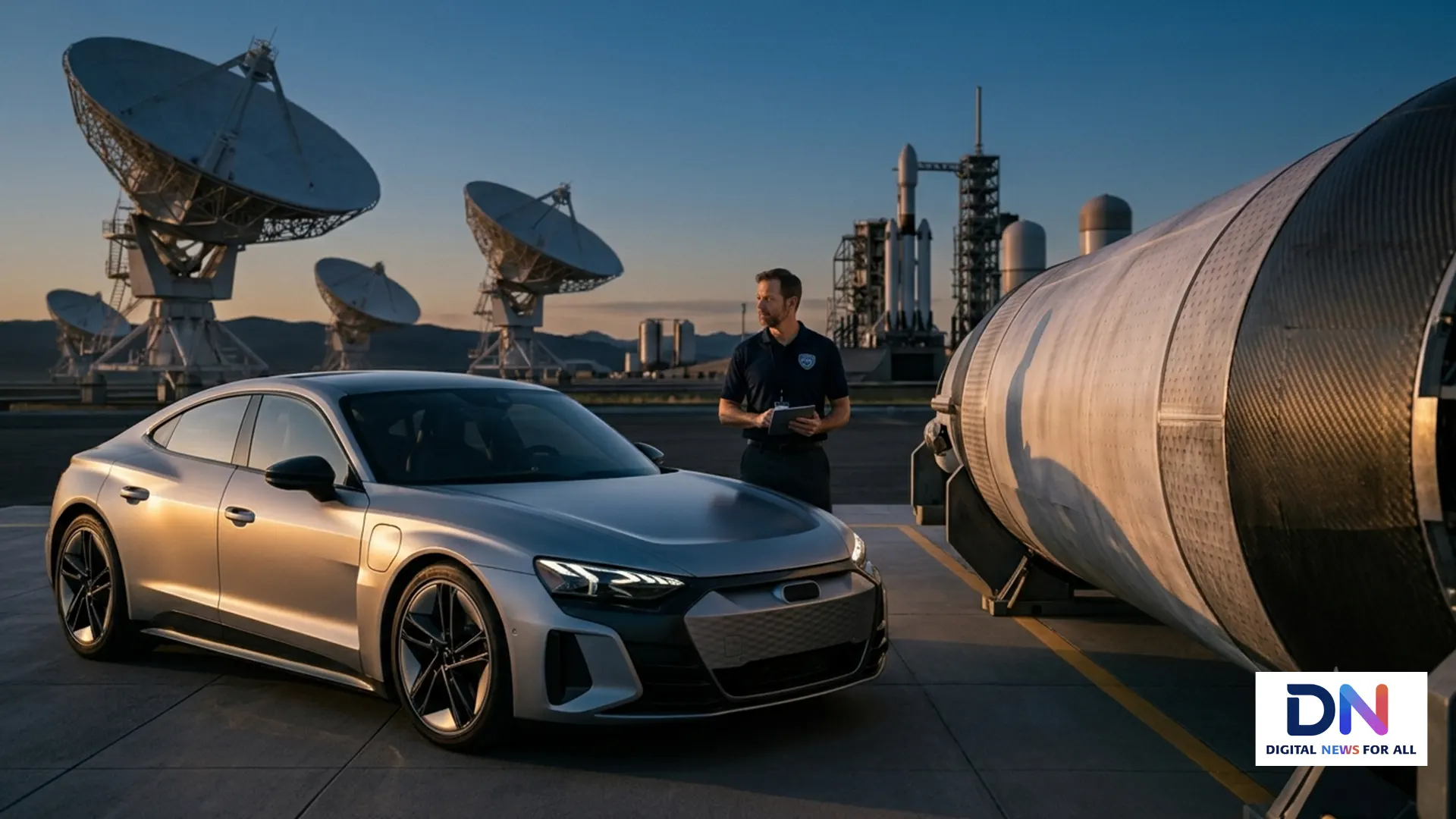
A potential tech merger involving Tesla and SpaceX is raising questions about competition, corporate power, and consumer choice. The companies are exploring a combination that could be valued at approximately $3.5 trillion. However, discussions are ongoing, and neither company has announced a final merger agreement. The proposal remains a possibility, not a completed deal.
Why a Tesla–SpaceX Merger Matters
Tesla operates in electric vehicles, energy storage, and related technologies. SpaceX works in space launch, satellite communications, and other advanced technology areas. A combination could bring together resources for artificial intelligence, chip design, robotics, and connectivity, according to Fortune’s report on the merger discussions.
Supporters could argue that integrating these capabilities may accelerate research, improve coordination, and fund ambitious projects. Yet a company spanning several technology sectors could also raise questions about how it uses data, infrastructure, intellectual property, and its relationships with suppliers and customers.
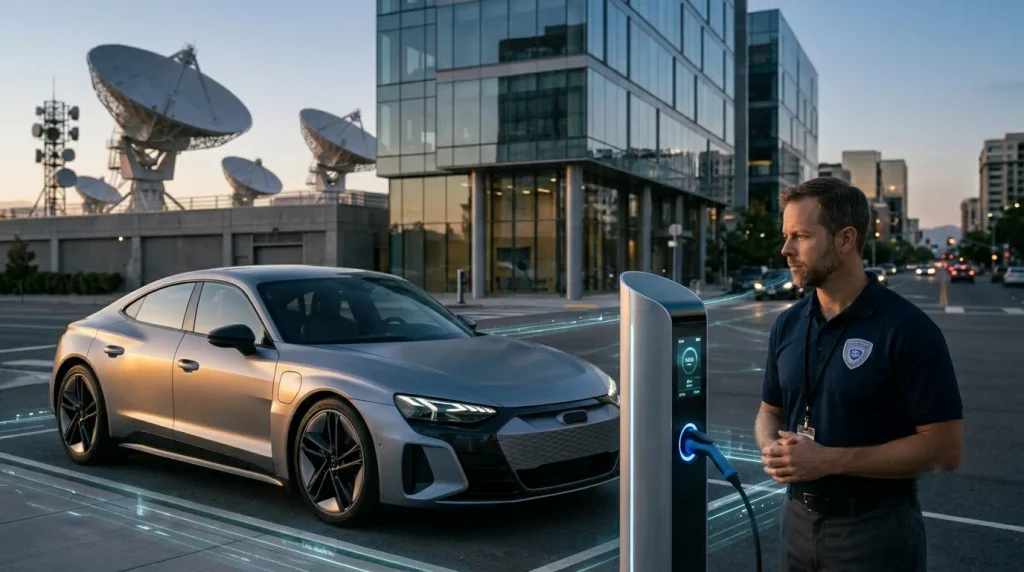
Could Consumers Lose Choices?
A larger company does not automatically mean less competition. The key issue is whether the combined business would reduce meaningful alternatives or make it harder for rivals to compete.
For electric-vehicle buyers, regulators might examine the effects on vehicle markets, charging and energy services, or access to essential technology. In satellite communications, they could consider how the deal affects customers, competing networks, and access to infrastructure. These are questions for investigation, not proof that the proposed merger would harm consumers.
U.S. Department of Justice merger guidance explains why regulators examine whether a transaction could entrench an existing dominant position or raise barriers for competitors. The analysis depends on market conditions and evidence, not simply a company’s headline valuation.
What US Antitrust Regulators Can Examine
The Federal Trade Commission and the Justice Department enforce federal antitrust laws and can investigate transactions that may substantially lessen competition. The FTC’s merger overview explains how authorities assess potential competitive harm and may seek to block unlawful deals.
The agencies’ merger-review process can involve detailed analysis of market structure, business documents, and competitive effects. The 2025 Hart-Scott-Rodino annual report also illustrates the scale of federal merger oversight.
Reuters has reported that the proposed combination could face political, national-security, and international regulatory questions, given SpaceX’s government work and Tesla’s operations in China. These issues could complicate the process, but they do not establish that regulators will block a deal.

Innovation Versus Concentrated Power
The central debate is whether combining the companies would create efficiencies that benefit customers or increase the risks associated with concentrated control. A larger organization might invest more heavily in research, but customers could face fewer alternatives if competitors struggle to match its resources or access to key infrastructure.
For now, consumers and investors should distinguish speculation from confirmed developments. The companies’ board discussions, any formal agreement, regulatory filings, and the evidence presented during review will determine what happens next. The real test is not the $3.5 trillion figure alone, but whether a completed transaction would preserve fair competition and meaningful consumer choice.
#Tesla #SpaceX #TechMerger #Antitrust #ConsumerChoice #BigTech #Competition #TechnologyNews #ElonMusk