

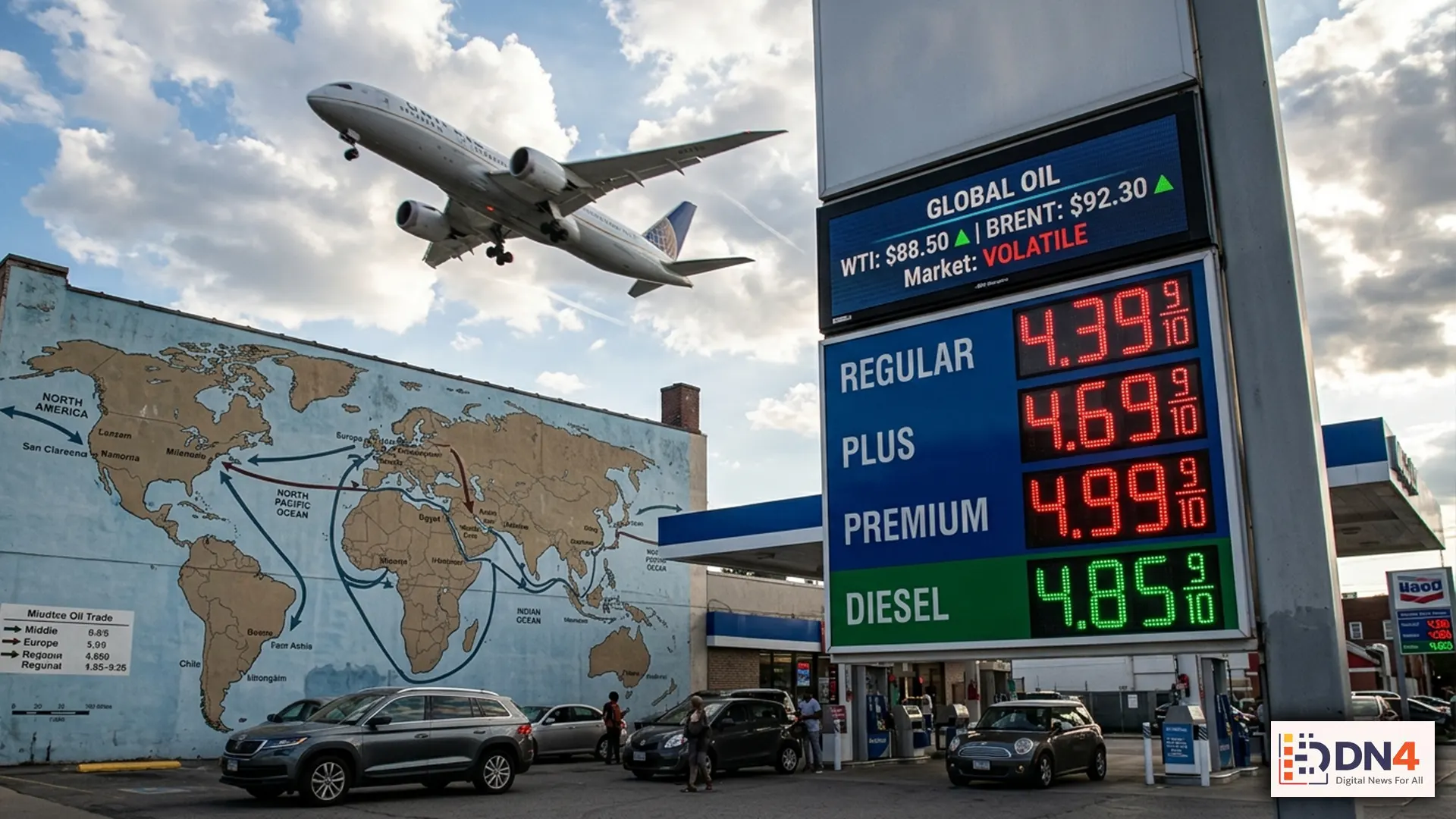
Global events often have a direct impact on household budgets, and few regions influence energy markets more than the Middle East. As geopolitical tensions continue to capture headlines in 2026, consumers are increasingly wondering whether disruptions could affect gasoline prices, airline fares, and summer vacation plans.
While energy markets are influenced by many factors, including supply, demand, economic growth, and weather events, instability in major oil-producing regions can create uncertainty that ripples throughout the global economy.
Understanding these connections can help travelers and consumers make smarter financial decisions during the busy summer season.
Why the Middle East Matters to Global Energy Markets
The Middle East remains one of the world’s most important oil-producing regions. Several countries in the area play significant roles in global crude oil production and exports.
Organizations such as the International Energy Agency (IEA) closely monitor developments that could affect energy supplies and global market stability.
When geopolitical uncertainty increases, energy traders often react by adjusting expectations about future supply availability, which can influence crude oil prices worldwide.
How Tensions Can Affect Gas Prices
Gasoline prices are influenced by several factors:
- Global crude oil prices
- Refining capacity
- Transportation and distribution costs
- Seasonal demand patterns
- Government policies and taxes
If markets believe energy supplies could be disrupted, oil prices may rise, leading to higher fuel costs for consumers. According to analysis from the U.S. Energy Information Administration, crude oil remains one of the most significant drivers of gasoline pricing.
However, not every geopolitical event results in long-term price increases. Markets often adjust as new information becomes available.
What It Could Mean for Summer Travel
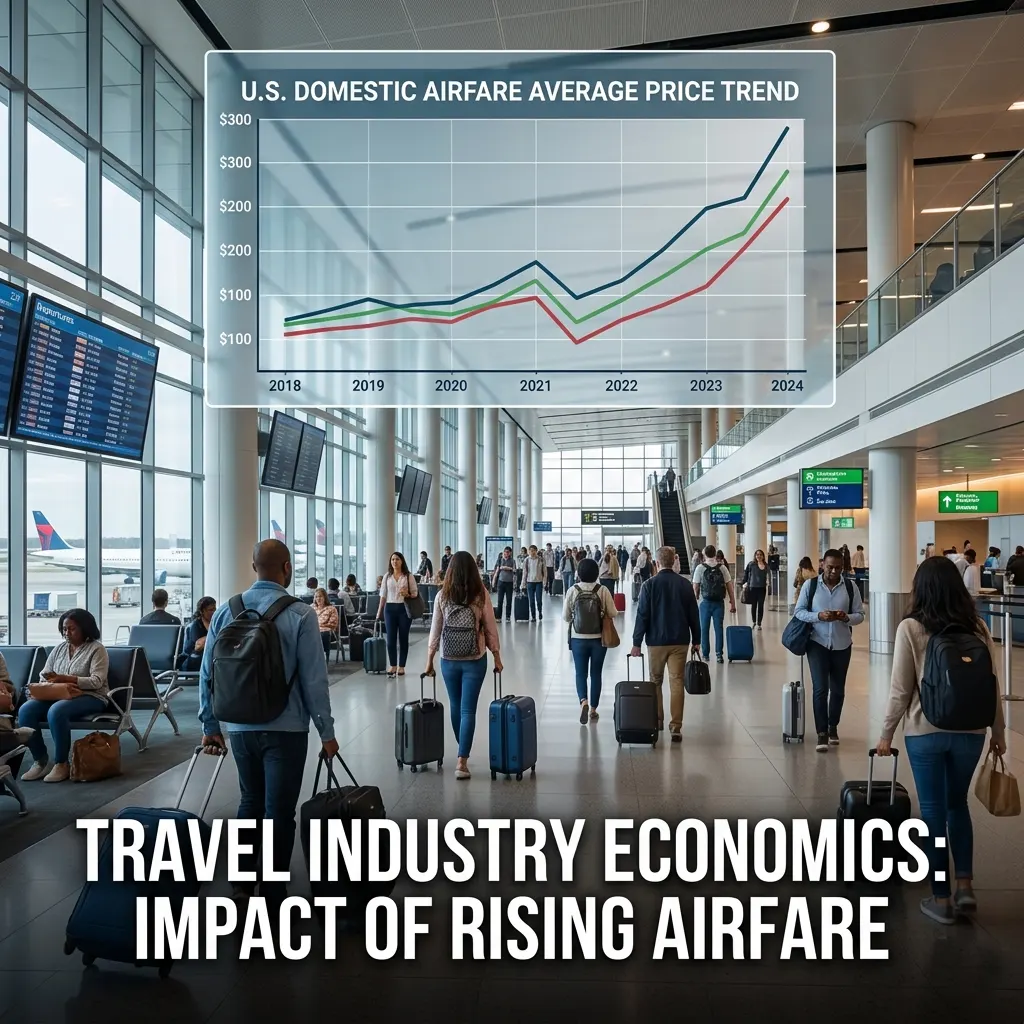
Fuel prices influence more than just what drivers pay at the pump. Airlines, cruise operators, tour companies, and transportation providers also face higher operating costs when energy prices rise.
Travel industry analysts from IATA note that jet fuel is one of the largest expenses for airlines.
Potential impacts may include:
- Higher airfare prices
- Increased road-trip costs
- Rising cruise operating expenses
- Higher transportation surcharges
- Greater demand for local travel alternatives
Will Staycations Become More Popular?
If transportation costs rise significantly, travelers may increasingly choose regional vacations and staycations instead of long-distance trips.
Travel experts from Lonely Planet have observed growing interest in domestic tourism, flexible itineraries, and budget-conscious travel planning.
Many families are prioritizing experiences closer to home to manage costs while still enjoying meaningful vacations.
How Travelers Can Prepare
Although predicting fuel prices is difficult, there are practical steps travelers can take:
- Book flights early when possible.
- Monitor fare alerts and travel deals.
- Consider alternative airports.
- Use fuel price tracking apps.
- Plan efficient driving routes.
- Explore nearby destinations.
- Build flexibility into travel budgets.
Travel planning platforms such as Skyscanner and other fare comparison services can help consumers identify cost-saving opportunities.
The Bigger Economic Picture
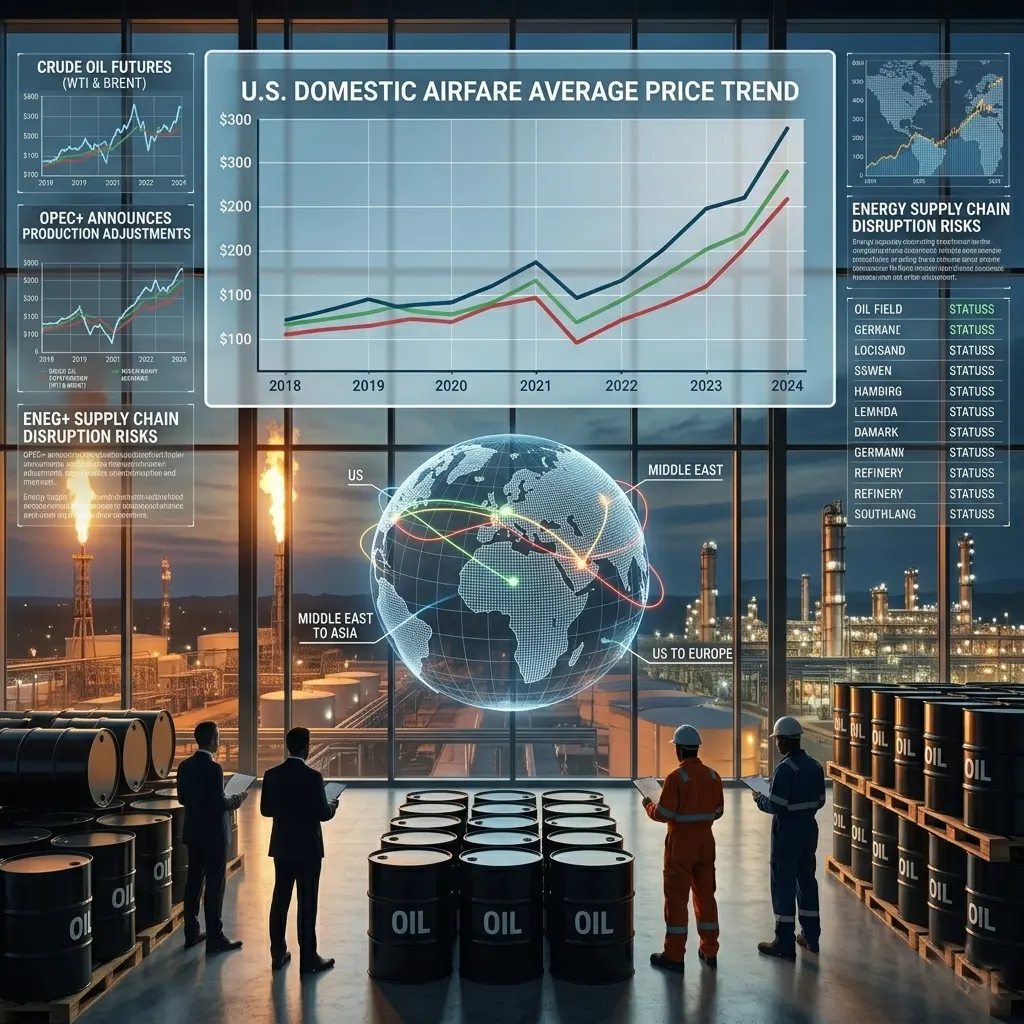
Energy prices affect more than transportation. Higher fuel costs can influence shipping expenses, consumer prices, business operations, and overall inflation trends.
Economists often view energy markets as a key indicator of broader economic conditions because fuel costs impact nearly every sector of the economy.
While geopolitical developments can create short-term volatility, long-term price trends typically depend on broader supply-and-demand fundamentals.
Middle East tensions can influence global energy markets, but the impact on gasoline prices and travel costs depends on numerous factors. Travelers who plan ahead, monitor market conditions, and remain flexible can better navigate uncertainty while protecting their vacation budgets.
Whether you’re planning a cross-country road trip, an international getaway, or a local staycation, understanding the connection between global events and consumer costs can help you make informed travel decisions throughout 2026.
#GasPrices #SummerTravel #MiddleEast #TravelCosts #OilPrices #TravelTips #EnergyMarkets #EconomicTrends #BudgetTravel