

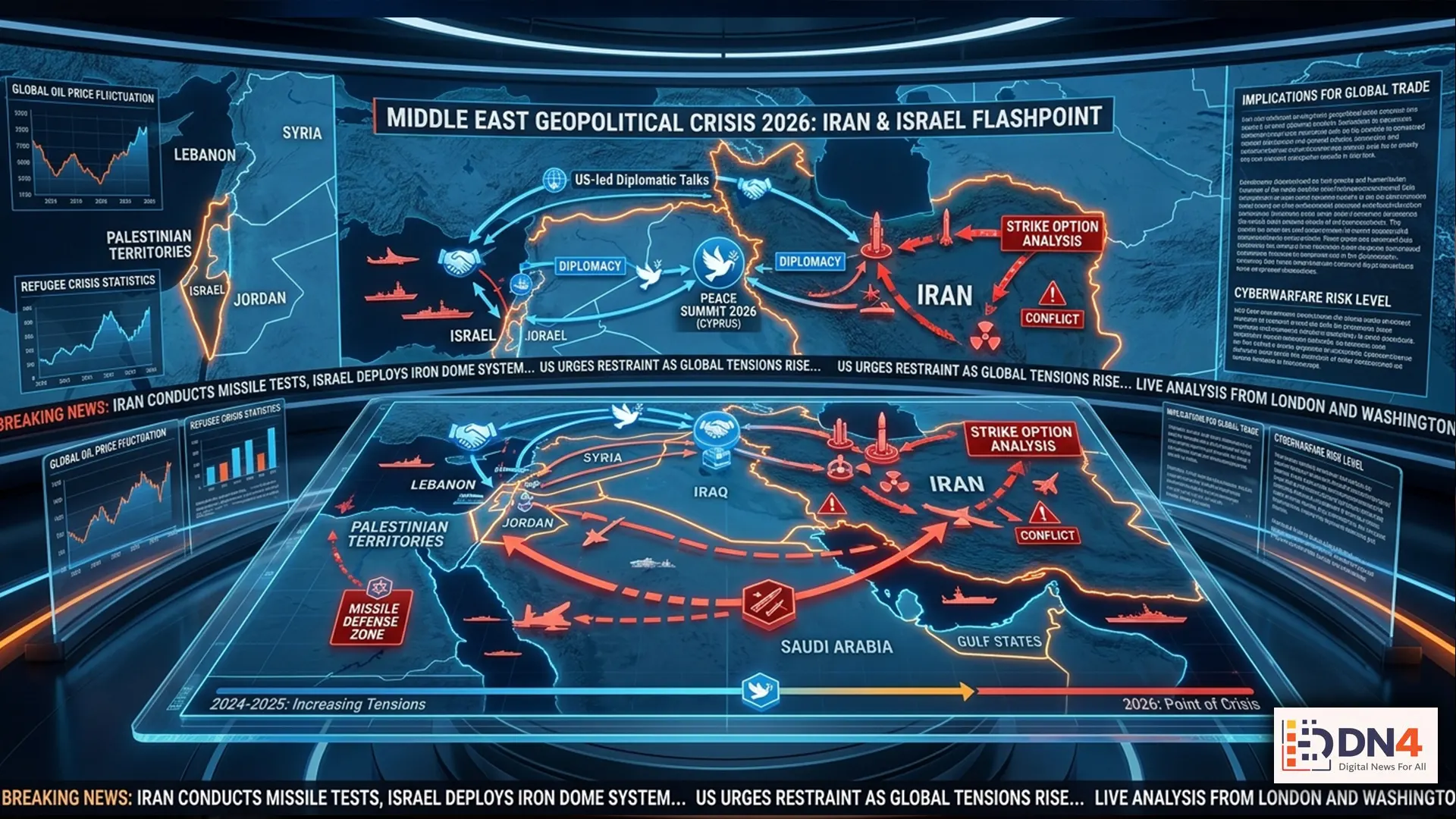
The Iran-Israel conflict has emerged as one of the most closely watched geopolitical developments of 2026, influencing regional stability, global energy markets, international diplomacy, and security policies worldwide. While tensions between the two nations have existed for decades, recent military exchanges and diplomatic confrontations have elevated concerns about the potential for a broader regional crisis.
For governments, businesses, and citizens around the world, understanding the origins, key drivers, and possible outcomes of the conflict is essential in assessing its impact on global affairs.
The Historical Roots of Iran-Israel Tensions
The relationship between Iran and Israel has undergone dramatic changes over the past several decades. Following the 1979 Iranian Revolution, diplomatic ties between the two countries deteriorated significantly, laying the foundation for long-term strategic rivalry.
Since then, disagreements over regional influence, military capabilities, and security concerns have fueled ongoing tensions. According to the Encyclopaedia Britannica analysis of Iran-Israel relations, both countries have viewed each other’s regional ambitions as direct challenges to national security.
Why the Conflict Escalated in 2026
The latest escalation stems from a combination of military actions, security concerns, and diplomatic breakdowns. Analysts point to concerns surrounding Iran’s nuclear program, regional proxy networks, and strategic military developments as major contributing factors.
The International Atomic Energy Agency (IAEA) has continued monitoring nuclear developments in the region, while international stakeholders have called for renewed diplomatic engagement to prevent further escalation.
Recent developments have also increased concerns among policymakers following reports of missile strikes, drone operations, and heightened military readiness on both sides.
The Role of Regional Alliances
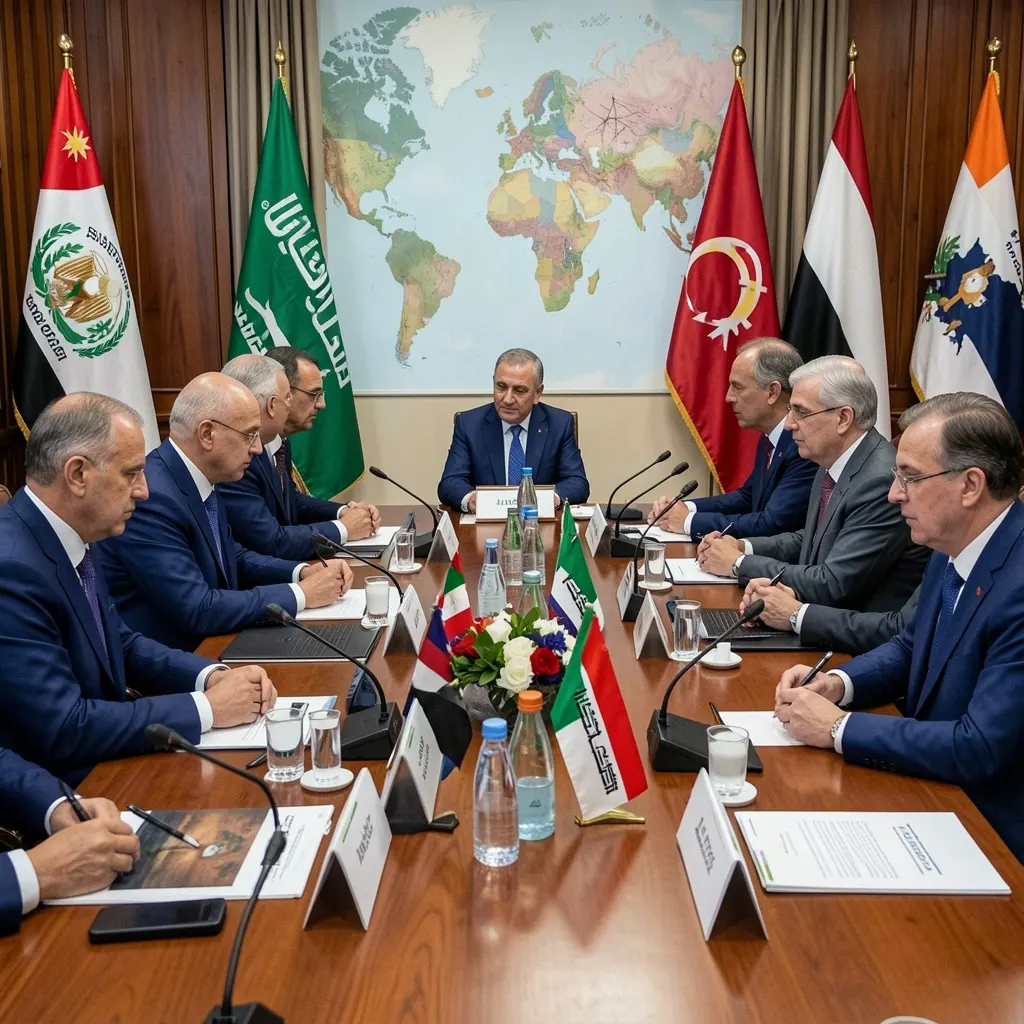
The conflict extends beyond Iran and Israel themselves. Regional alliances and non-state actors play a significant role in shaping security dynamics throughout the Middle East.
Organizations and research institutions such as the Council on Foreign Relations have noted that regional partnerships can influence both escalation risks and diplomatic solutions.
These interconnected relationships make the situation particularly complex, as developments in one country can quickly affect neighboring states.
Impact on Global Energy Markets
One of the most closely watched aspects of the conflict is its effect on global energy supplies. The Middle East remains a critical hub for oil production and transportation, and any disruption can have consequences for international markets.
The International Energy Agency (IEA) regularly monitors global energy security and has highlighted the importance of maintaining stable supply routes during periods of geopolitical uncertainty.
Particular attention has focused on the Strait of Hormuz, one of the world’s most important maritime trade corridors. According to Britannica’s Strait of Hormuz overview, a substantial portion of global oil exports passes through the waterway each year.
How the Conflict Affects the Global Economy
Geopolitical instability often creates uncertainty in financial markets. Investors, multinational corporations, and logistics companies closely monitor developments that could impact trade flows, energy prices, or supply chains.
Businesses involved in shipping, aviation, manufacturing, and energy production are particularly sensitive to changes in regional security conditions.
For broader economic analysis, readers may also explore our coverage of global energy market trends in 2026 and how geopolitical risks affect investment decisions.
International Diplomatic Efforts
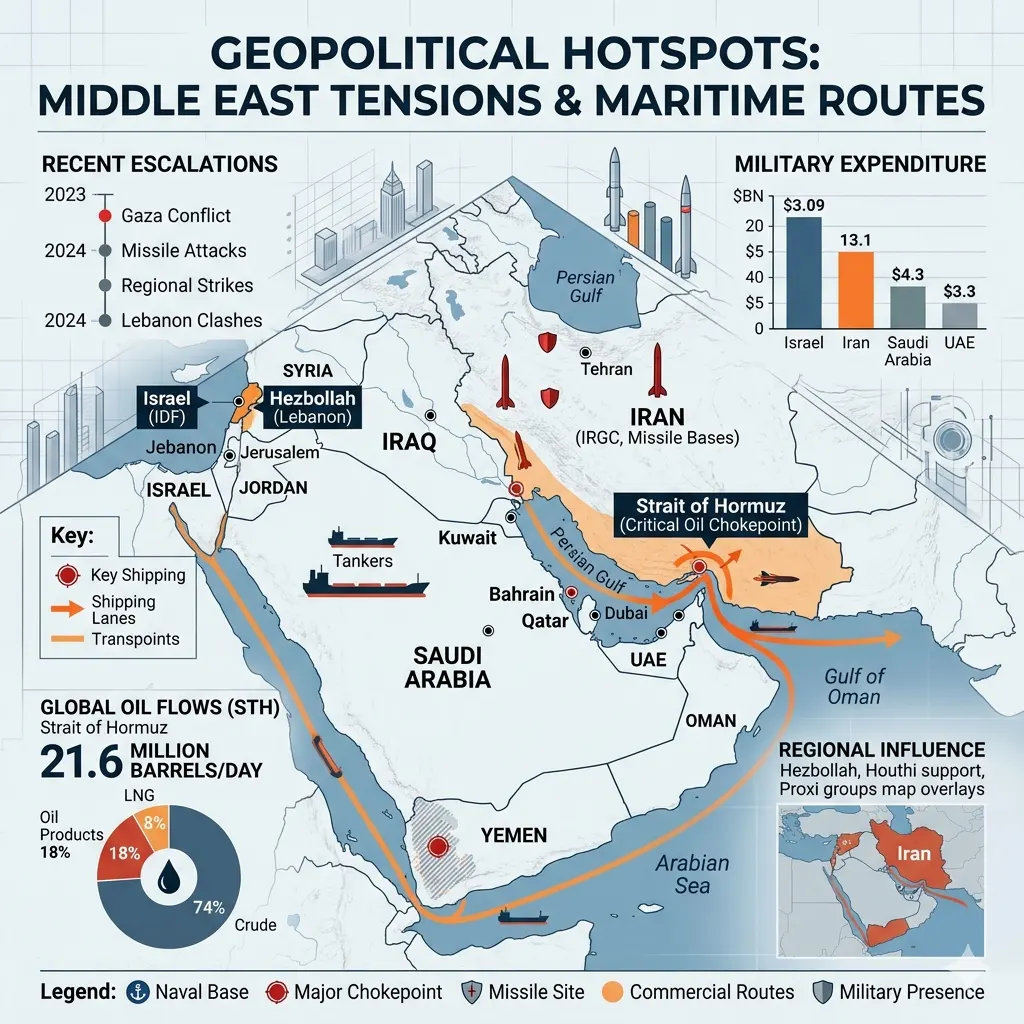
Several countries and international organizations continue working to reduce tensions and encourage dialogue. The United Nations Security Council remains a key platform for diplomatic discussions involving regional security and conflict prevention.
Meanwhile, policy experts from organizations such as the Center for Strategic and International Studies (CSIS) continue evaluating potential pathways toward de-escalation.
Many governments view diplomacy as the most effective route toward reducing the risk of broader military confrontation.
Possible Scenarios Going Forward
The future trajectory of the conflict remains uncertain. Several outcomes remain possible, including renewed diplomatic negotiations, prolonged low-intensity confrontation, or further escalation involving additional regional actors.
For readers interested in broader regional developments, our analysis of Middle East security trends in 2026 provides additional context on evolving geopolitical risks.
The Iran-Israel tensions of 2026 represent more than a bilateral dispute. They have become a major geopolitical issue with implications for energy markets, international trade, regional stability, and global security.
As diplomatic efforts continue alongside ongoing security concerns, policymakers and global observers will remain focused on developments that could shape the future of the Middle East and the international order.
#IranIsraelConflict #MiddleEastCrisis #Geopolitics #GlobalSecurity #WorldNews #OilMarkets #InternationalRelations #MiddleEast #BreakingNews