

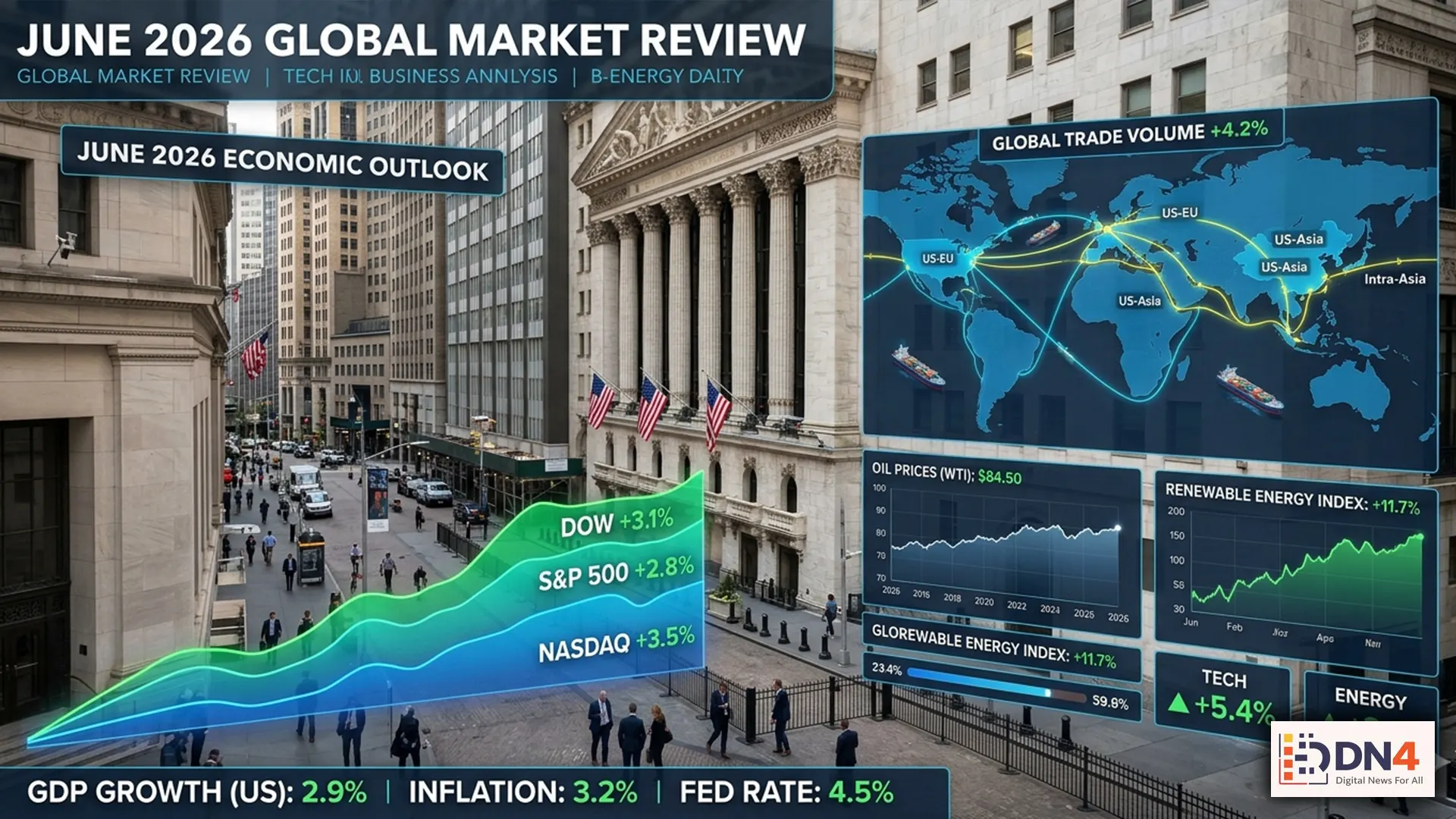
As June 2026 unfolds, businesses, investors, and policymakers are navigating an increasingly uncertain global environment. Geopolitical tensions, supply chain disruptions, fluctuating energy prices, and shifting trade relationships continue to create challenges for the U.S. economy. While some industries remain resilient, others are particularly exposed to global instability and could face significant headwinds in the months ahead.
Understanding which sectors are most vulnerable can help businesses make informed decisions and enable investors to better assess potential risks in an evolving economic landscape.
Why Global Instability Matters for the U.S. Economy
The United States remains deeply interconnected with global markets. Events occurring thousands of miles away can quickly influence domestic industries through trade disruptions, commodity price fluctuations, investment uncertainty, and consumer confidence shifts.
Organizations such as the International Monetary Fund (IMF) and the World Bank have repeatedly highlighted how geopolitical risks can slow economic growth and create volatility across multiple sectors.
1. Manufacturing Faces Supply Chain Pressures
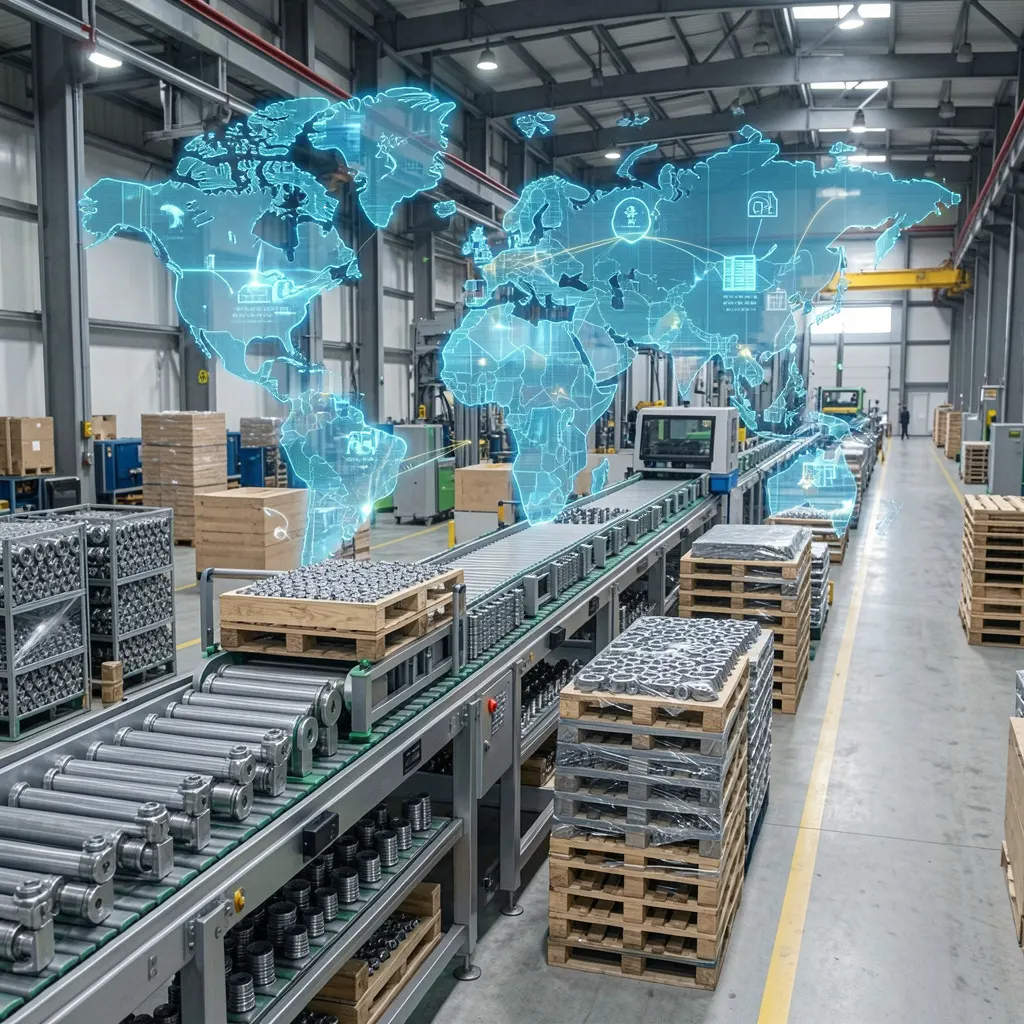
The manufacturing sector remains highly dependent on global supply chains. Components used in automobiles, electronics, machinery, and industrial equipment often originate from multiple countries.
Disruptions in shipping routes, trade disputes, or geopolitical conflicts can increase production costs and delay deliveries. According to the National Association of Manufacturers, supply chain resilience remains a top concern for U.S. manufacturers.
Companies with diversified sourcing strategies are generally better positioned to manage these challenges.
2. Energy Markets Remain Highly Sensitive
The energy sector is among the most vulnerable industries during periods of geopolitical uncertainty. Global conflicts can impact oil and natural gas production, transportation routes, and pricing dynamics.
The U.S. Energy Information Administration closely monitors energy market developments because even minor disruptions can influence fuel prices and broader inflation trends.
Higher energy costs can affect businesses and consumers across the entire economy.
3. Financial Services and Investment Markets
Financial markets often react quickly to geopolitical developments. Increased uncertainty can trigger market volatility, affect investor sentiment, and influence capital flows.
The Federal Reserve continues to monitor economic conditions and financial stability risks as global events influence market behavior.
Banking institutions, investment firms, and asset managers may face heightened challenges during periods of prolonged instability.
4. Technology Companies Face Global Exposure
Many U.S. technology companies operate internationally and depend on global supply networks. Semiconductor production, cloud infrastructure, hardware manufacturing, and software services often involve multiple countries and regions.
The Semiconductor Industry Association has emphasized the importance of resilient supply chains as demand for advanced technologies continues to grow.
Trade restrictions or geopolitical tensions could impact technology exports and production timelines.
5. Transportation and Logistics Under Pressure
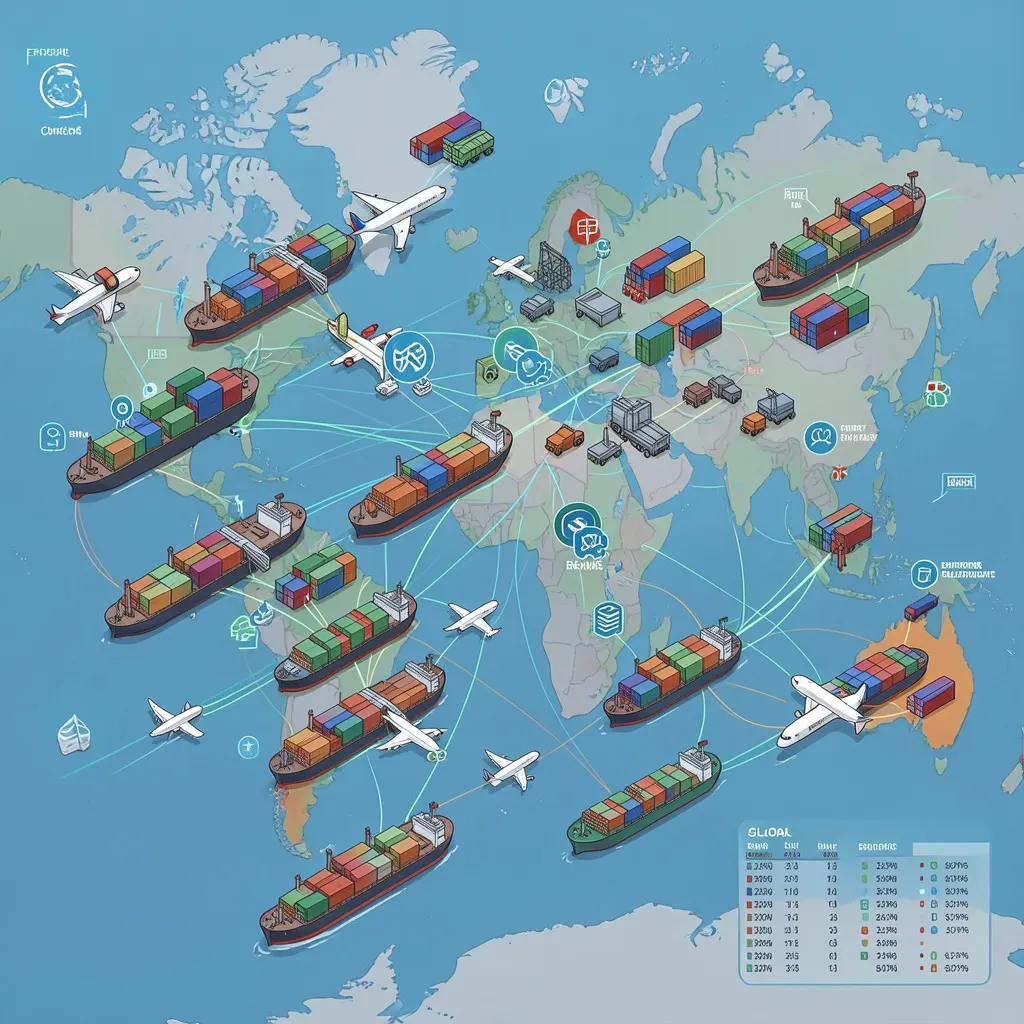
Shipping companies, airlines, freight operators, and logistics providers are particularly sensitive to disruptions in international trade routes.
Global instability can lead to increased insurance costs, route adjustments, and operational delays. The International Air Transport Association (IATA) frequently notes how geopolitical developments influence transportation networks and airline operations.
6. Consumer Retail and Import-Dependent Businesses
Retailers that rely heavily on imported goods may face higher costs if supply chains become constrained. Increased transportation expenses and inventory shortages can reduce profit margins and affect product availability.
Businesses that maintain flexible sourcing strategies and strong inventory management practices may be better positioned to navigate these challenges.
Which Sectors May Be More Resilient?
While certain industries face elevated risks, others may demonstrate greater resilience. Healthcare, utilities, essential consumer goods, and domestic-focused service industries often experience less direct exposure to international disruptions.
According to the U.S. Bureau of Economic Analysis, domestic consumption remains a major driver of economic activity, providing stability for some sectors even during periods of global uncertainty.
What Businesses and Investors Should Watch
Key indicators to monitor include energy prices, inflation trends, supply chain performance, international trade developments, and central bank policy decisions. These factors can provide valuable insight into how economic conditions may evolve throughout the remainder of 2026.
Businesses should focus on diversification, operational flexibility, and risk management strategies to strengthen resilience against potential disruptions.
Global instability remains one of the defining economic challenges of 2026. Manufacturing, energy, financial services, technology, transportation, and retail sectors face varying levels of exposure to international developments. While uncertainty may persist, organizations that proactively manage risks and adapt to changing conditions are more likely to navigate the challenges successfully.
As the economic landscape continues to evolve, staying informed about global developments will be critical for businesses, investors, and policymakers alike.
#EconomicOutlook2026 #USEconomy #GlobalInstability #FinancialMarkets #EconomicForecast #BusinessNews #SupplyChain #EnergyMarkets #Investing