

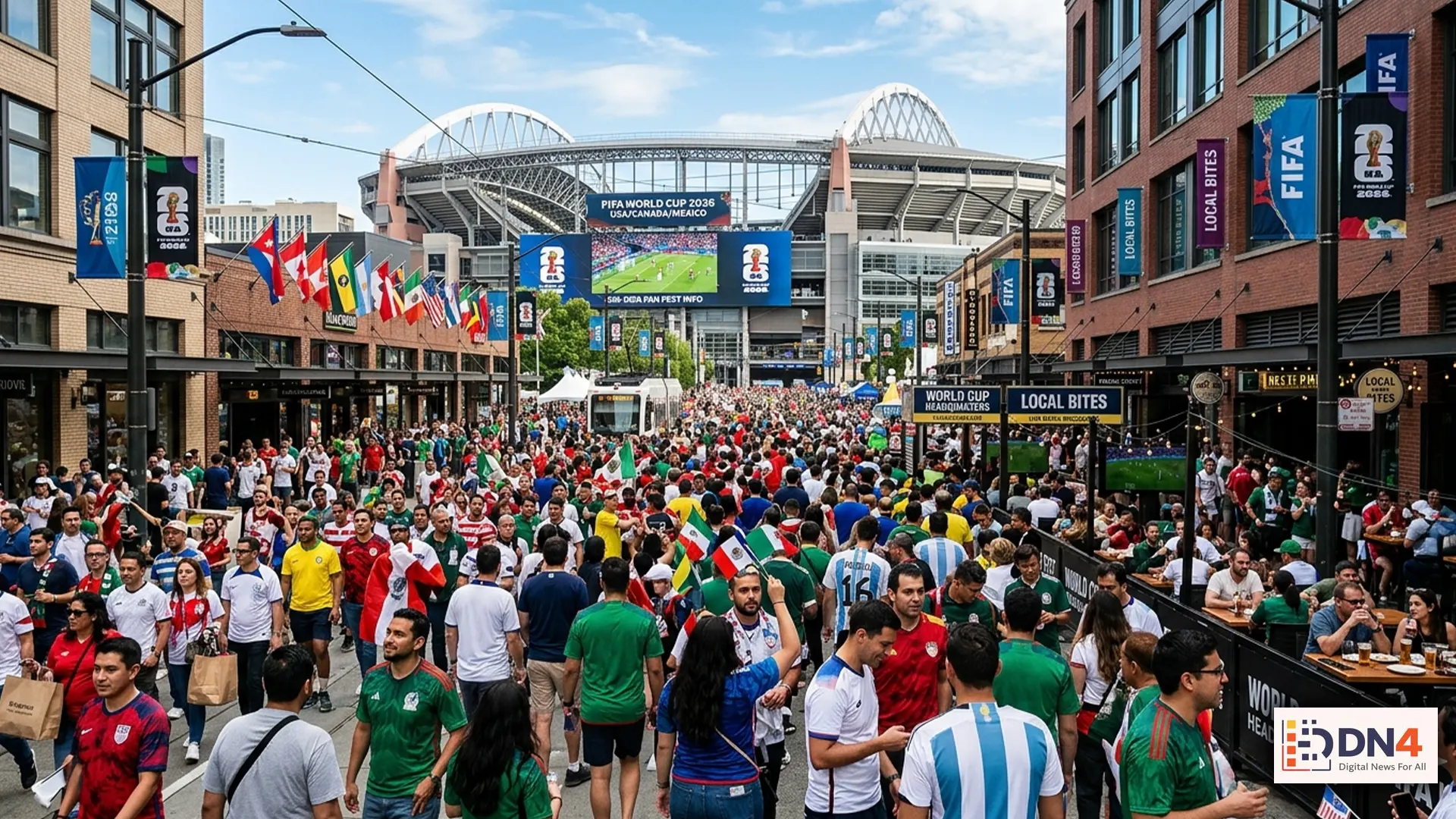
As the FIFA World Cup 2026 approaches, excitement is building not only among football fans but also among business leaders, city officials, and tourism operators across the United States. With millions of international visitors expected to travel to host cities, the tournament is poised to become one of the largest economic events in recent U.S. history.
While the world’s attention will be focused on the action inside stadiums, local economies are preparing for a wave of spending that could transform businesses, create jobs, and accelerate infrastructure investments long after the final whistle.
A Tourism Surge Unlike Any Other
The FIFA World Cup is widely regarded as one of the most watched sporting events globally. According to FIFA, billions of viewers are expected to follow the tournament, while millions of fans are anticipated to travel internationally to attend matches.
For U.S. host cities, this means increased demand for hotels, restaurants, transportation services, entertainment venues, and local attractions. Tourism experts believe the event could generate billions of dollars in visitor spending across multiple sectors.
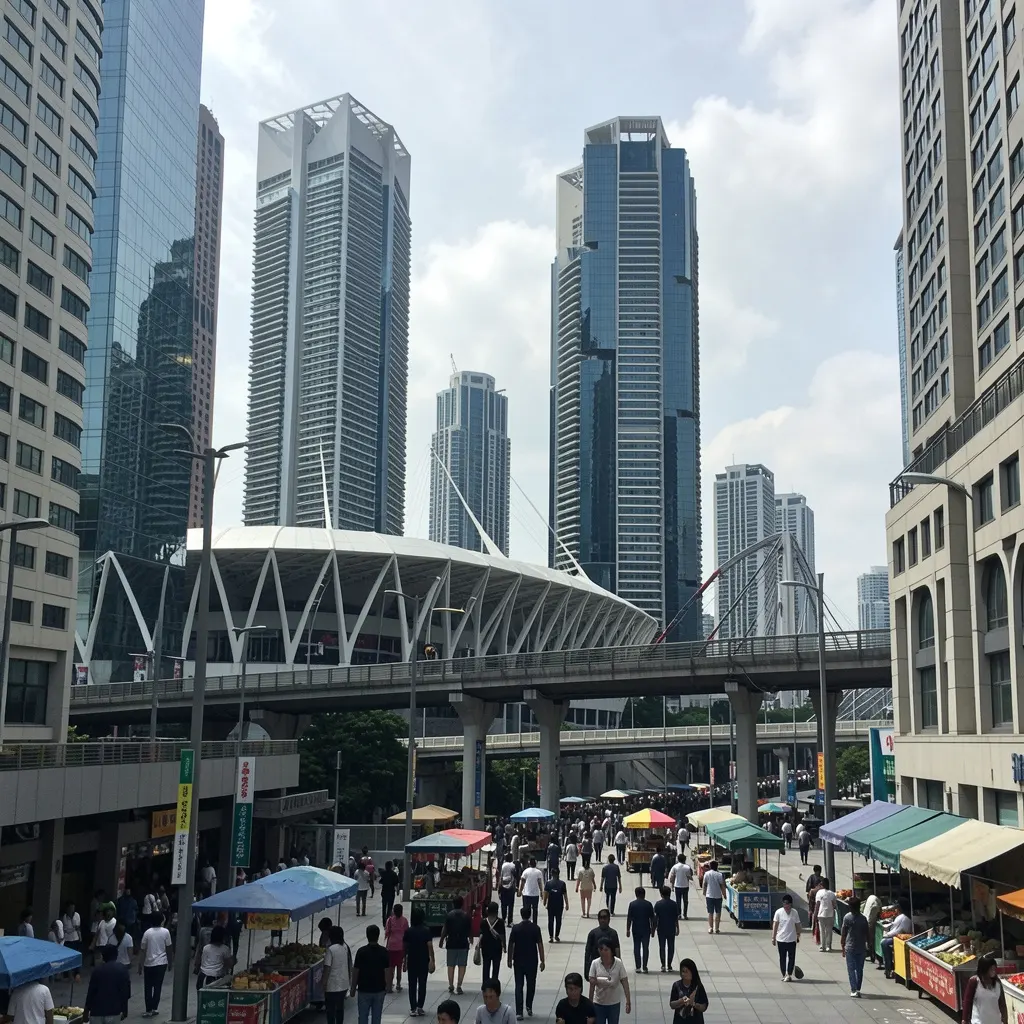
Hotels and Hospitality Set to Benefit
The hospitality industry is expected to be among the biggest winners. Major hotel brands and independent accommodations are already preparing for increased demand during the tournament.
Industry research from the American Hotel & Lodging Association consistently shows that large-scale sporting events significantly boost hotel occupancy rates and tourism revenue.
Restaurants, cafes, bars, and entertainment venues located near stadiums and tourist districts are also expected to experience substantial increases in customer traffic.
Job Creation and Local Business Growth
Major sporting events often create temporary and long-term employment opportunities. From hospitality workers and transportation staff to security personnel and event coordinators, thousands of jobs may be supported by World Cup-related activities.
Small businesses are particularly well-positioned to benefit. According to the U.S. Small Business Administration, tourism-driven spending can provide significant opportunities for local entrepreneurs and service providers.
Retail shops, tour operators, and cultural attractions are preparing to welcome visitors eager to explore host cities beyond the stadium experience.
Infrastructure Investments Leave a Lasting Impact
Hosting international sporting events often accelerates infrastructure development. Cities frequently invest in transportation improvements, public spaces, airport upgrades, and digital connectivity projects designed to accommodate increased visitor volumes.
Many economists point to long-term benefits when infrastructure improvements continue serving residents and businesses after the event concludes.
Organizations such as the World Bank have highlighted how strategic infrastructure investments can support broader economic development goals.
The Rise of Sports Tourism
Sports tourism has become one of the fastest-growing segments of the travel industry. According to the United Nations World Tourism Organization, major sporting events play a significant role in driving international travel and destination awareness.
The World Cup offers host cities a unique opportunity to showcase their culture, attractions, and business environment to a global audience.
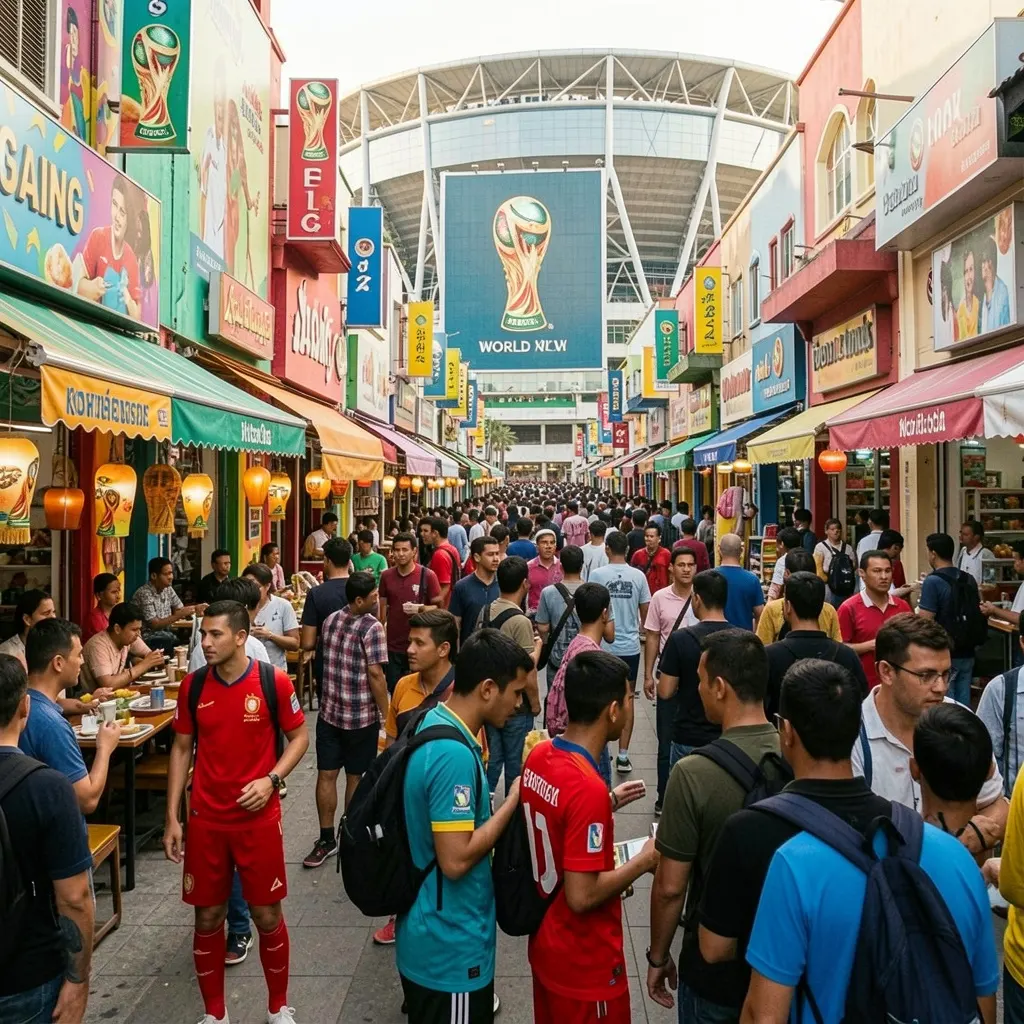
Challenges Cities Must Navigate
While economic opportunities are substantial, hosting large-scale events also presents challenges. Managing transportation systems, maintaining public safety, addressing accommodation demand, and controlling operational costs require careful planning.
Local governments are working closely with stakeholders to maximize economic benefits while minimizing disruptions for residents and businesses.
Beyond the Final Match
One of the most valuable aspects of hosting the FIFA World Cup is the long-term exposure it generates. Millions of visitors will experience U.S. cities firsthand, potentially returning in future years for business, leisure travel, or investment opportunities.
The U.S. Travel Association has emphasized the importance of international tourism as a driver of economic growth, employment, and community development.
As FIFA World Cup 2026 draws closer, host cities are preparing for more than just football matches. They are positioning themselves to capitalize on a global tourism boom. It could reshape local economies, strengthen businesses, and create lasting economic opportunities for years to come.
#WorldCup2026 #SportsTourism #WorldCupEconomy #EconomicGrowth #TravelIndustry #HospitalityBusiness #TourismBoom #USCities #BusinessNews