


For millions of households, 2026 presents a familiar financial challenge: expenses continue to rise while wages struggle to keep pace. Higher housing costs, healthcare expenses, insurance premiums, and everyday essentials are putting pressure on personal budgets worldwide.
While wage growth remains uneven across industries, financial experts agree that proactive budgeting can help households maintain stability and build long-term resilience. According to resources from the Consumer Financial Protection Bureau, structured budgeting remains one of the most effective tools for improving financial outcomes.
Here are five proven strategies to help navigate wage stagnation in 2026.
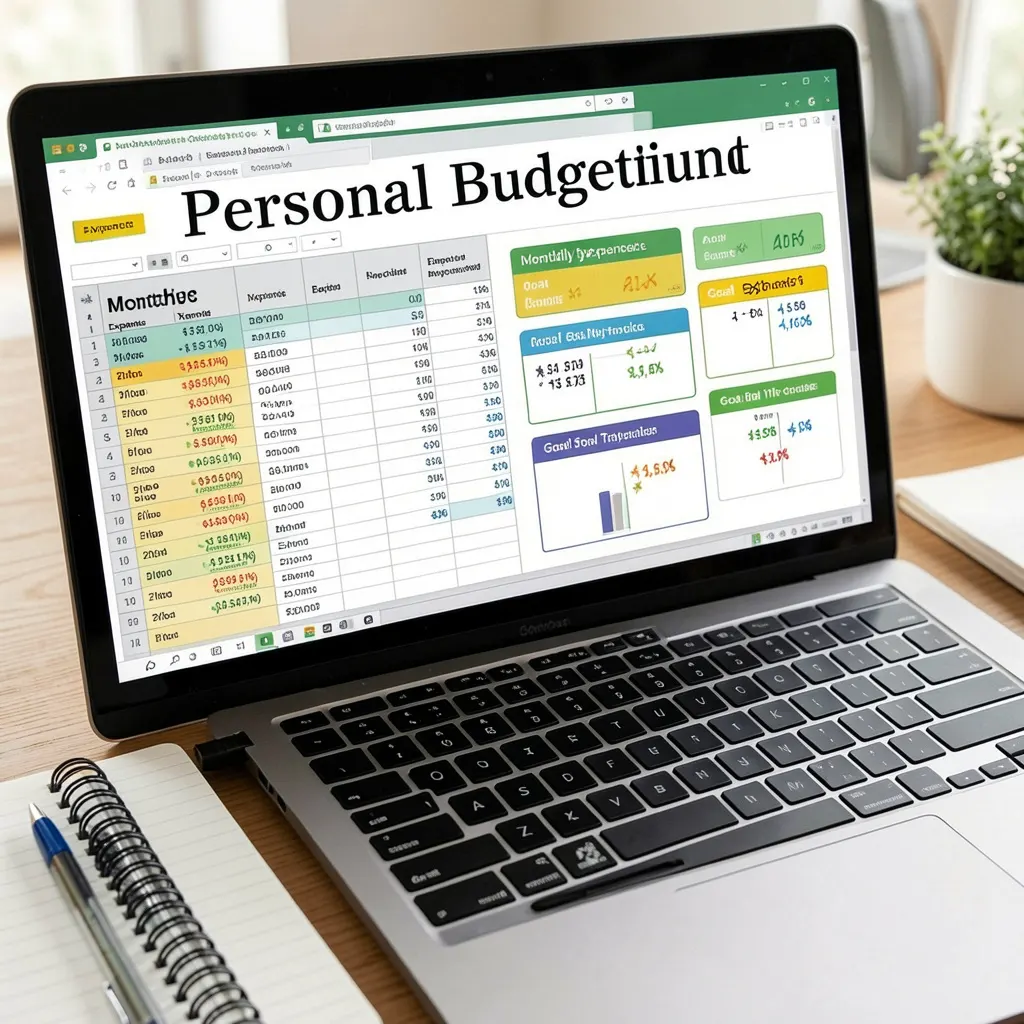
1. Rebuild Your Budget Around Essential Spending
Many budgets are based on spending habits developed years ago. In today’s economic environment, it’s important to reassess where your money goes each month.
Start by categorizing expenses into:
- Housing and utilities
- Transportation
- Food and groceries
- Insurance and healthcare
- Debt payments
- Discretionary spending
Financial planning resources from personal finance experts recommend prioritizing essentials before allocating funds toward lifestyle spending.
2. Automate Savings—Even Small Amounts
When income growth slows, saving may feel difficult. However, consistency often matters more than the amount saved.
Automating transfers to a savings account can help build financial security without requiring ongoing decisions. Even small weekly contributions can accumulate significantly over time.
Many leading financial planning platforms recommend a “pay yourself first” strategy to improve savings success.
3. Eliminate Subscription and Service Creep
Streaming platforms, software subscriptions, mobile apps, cloud storage services, and membership programs can quietly consume a significant portion of monthly income.
Review recurring charges every quarter and cancel services that no longer provide meaningful value.
This simple exercise often uncovers hundreds of dollars in annual savings.
4. Build Additional Income Streams
Wage stagnation doesn’t necessarily mean income stagnation. Many households are supplementing earnings through:
- Freelancing
- Consulting
- Digital content creation
- Online tutoring
- E-commerce businesses
- Remote contract work
Career development organizations such as online learning platforms offer courses that can help individuals develop high-demand skills and improve earning potential.
5. Focus on High-Interest Debt Reduction
Credit card debt remains one of the biggest obstacles to financial progress. Rising interest rates can make balances increasingly expensive to carry.
Prioritize paying off debt with the highest interest rates first while maintaining minimum payments on other accounts.
Resources from the Federal Reserve continue to emphasize the long-term financial impact of consumer debt management.
Why Financial Flexibility Matters in 2026
Economic uncertainty has become a defining characteristic of modern financial planning. Building flexibility into your budget helps absorb unexpected expenses, manage inflationary pressures, and reduce financial stress.
Households that regularly review and adjust spending plans are often better positioned to handle changing economic conditions.
Practical Budgeting Checklist
- Review monthly expenses.
- Track spending categories.
- Automate savings contributions.
- Reduce recurring subscriptions.
- Pay down high-interest debt.
- Explore additional income opportunities.
- Maintain an emergency fund.
Wage stagnation may create challenges, but it does not eliminate opportunities for financial progress. By focusing on intentional spending, consistent saving, debt reduction, and income diversification, households can strengthen their financial position in 2026 and beyond.
The most effective budget is one that adapts to changing circumstances while supporting long-term financial goals.
#Budgeting2026 #PersonalFinance #MoneyManagement #FinancialPlanning #WageStagnation #SaveMoney #FinancialWellness #BudgetTips #SmartMoney