

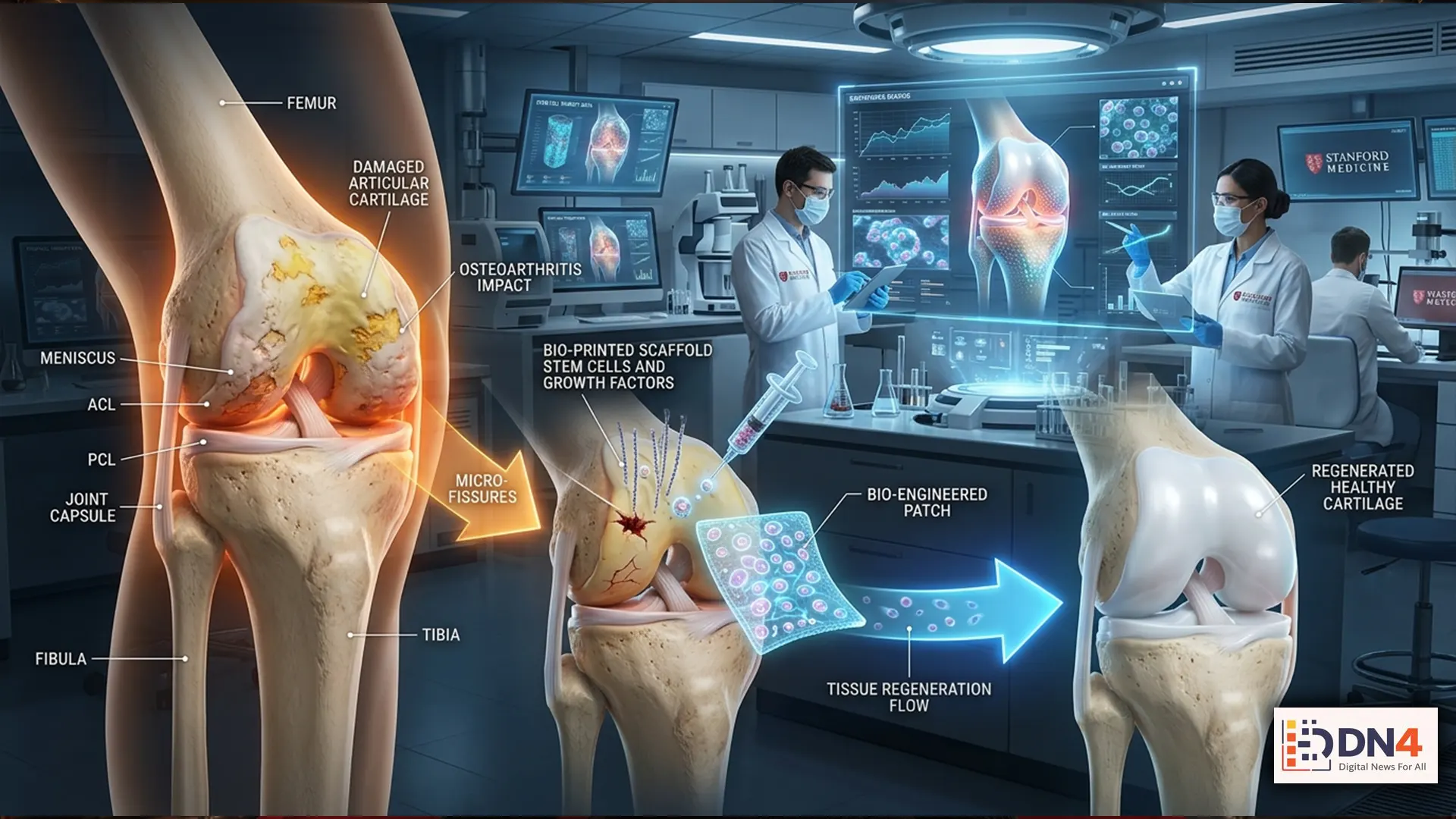
For millions of people worldwide, arthritis represents a daily struggle with pain, stiffness, and reduced mobility. Unlike many tissues in the human body, damaged cartilage has limited natural ability to repair itself. However, new advances in regenerative medicine are creating hope that future treatments may focus not only on managing arthritis symptoms but also on restoring damaged joints.
Researchers at Stanford University and other leading medical institutions are exploring innovative approaches to cartilage regeneration that could change how doctors approach conditions such as osteoarthritis.
Why Cartilage Damage Is a Major Medical Challenge
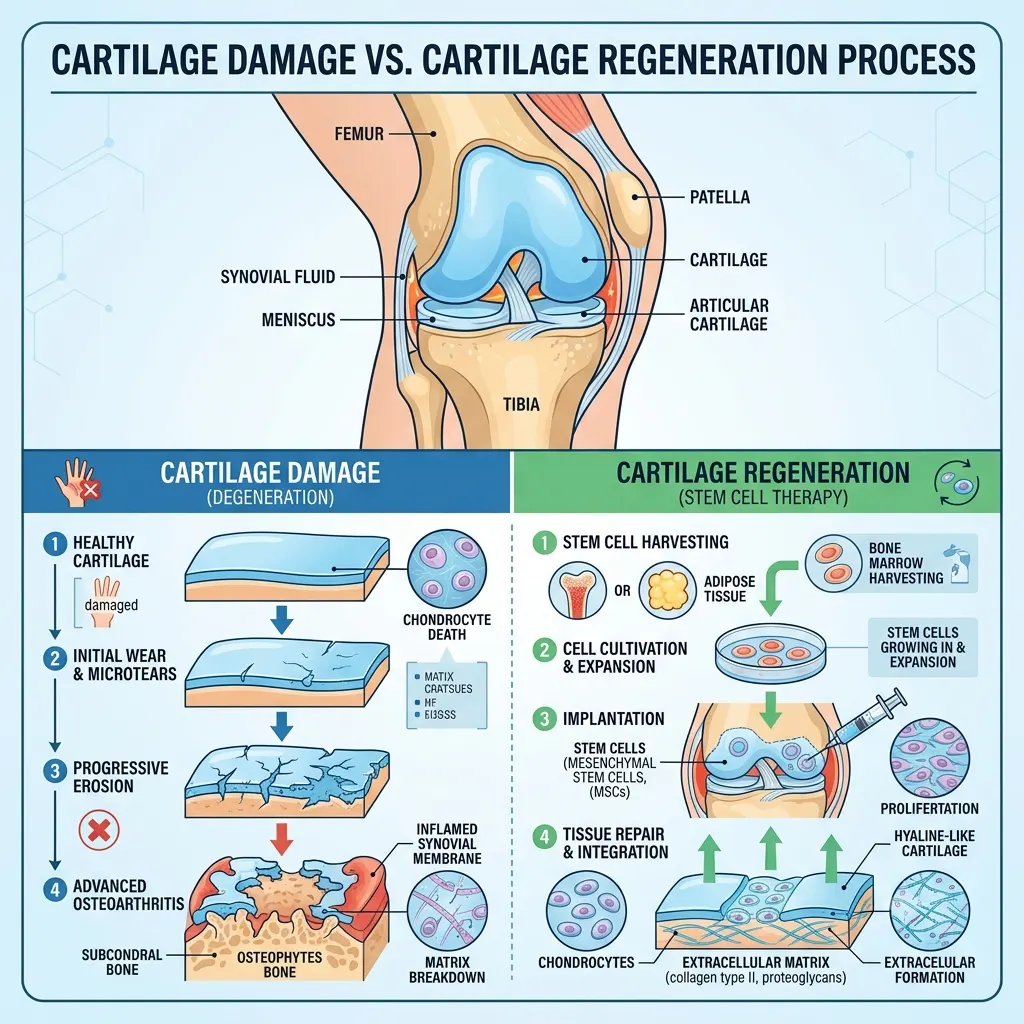
Cartilage acts as a protective cushion between bones, allowing smooth joint movement. When cartilage breaks down, bones can rub together, causing inflammation, pain, and loss of function.
According to information from the Centers for Disease Control and Prevention, arthritis affects millions of adults and remains one of the leading causes of disability worldwide.
Traditional treatments often focus on reducing pain and inflammation through medication, physical therapy, lifestyle changes, or joint replacement surgery.
The Promise of Cartilage Regeneration Science
Regenerative medicine aims to repair or replace damaged tissues by using biological techniques such as stem cells, tissue engineering, and molecular therapies.
Scientists are investigating methods that encourage the body to rebuild cartilage instead of simply treating symptoms.
Research organizations such as Stanford Medicine are studying advanced approaches in tissue repair, genetics, and regenerative biology.
How New Research Could Change Arthritis Treatment
Future cartilage regeneration therapies may involve several advanced strategies:
- Stimulating existing cartilage cells to repair damage
- Using regenerative molecules to encourage tissue growth
- Developing laboratory-grown cartilage materials
- Improving stem cell-based treatments
- Creating personalized therapies based on patient biology
These approaches could eventually move arthritis care from symptom management toward restoration of joint function.
The Role of Stem Cells in Joint Repair
Stem cell research has attracted significant attention because these cells have the ability to develop into different types of tissue. Scientists are exploring whether stem cells can help create healthier cartilage environments.
The National Institutes of Health Stem Cell Information provides educational resources about ongoing stem cell research and its potential medical applications.
Is Arthritis About to Be Cured?
While cartilage regeneration research is promising, scientists caution that a complete cure for arthritis is not yet available. Many discoveries remain in research and clinical testing stages before becoming widely available treatments.
Organizations such as the U.S. Food and Drug Administration carefully evaluate new medical treatments to ensure safety and effectiveness.
What This Means for Patients
The future of arthritis treatment may become more personalized, combining advanced medicine with lifestyle approaches such as exercise, healthy weight management, and early diagnosis.
Patients interested in emerging treatments should discuss options with qualified healthcare professionals and follow evidence-based medical guidance.
The Future of Regenerative Medicine
Cartilage regeneration represents one part of a larger movement toward regenerative healthcare. Researchers worldwide are exploring ways to help the human body repair itself more effectively.
The development of these technologies could have major implications for aging populations, athletes, and people living with chronic joint conditions.
The Stanford-related advances in cartilage regeneration represent an exciting direction in modern medicine. Although researchers have not yet created a universal arthritis cure, regenerative therapies could redefine how joint diseases are treated in the future.
The next decade may bring important breakthroughs that move healthcare closer to repairing damaged tissues rather than simply managing symptoms.
#Arthritis #CartilageRegeneration #StanfordMedicine #MedicalBreakthrough #RegenerativeMedicine #HealthcareInnovation #FutureMedicine #ScienceNews #HealthTechnology #DigitalHealth