

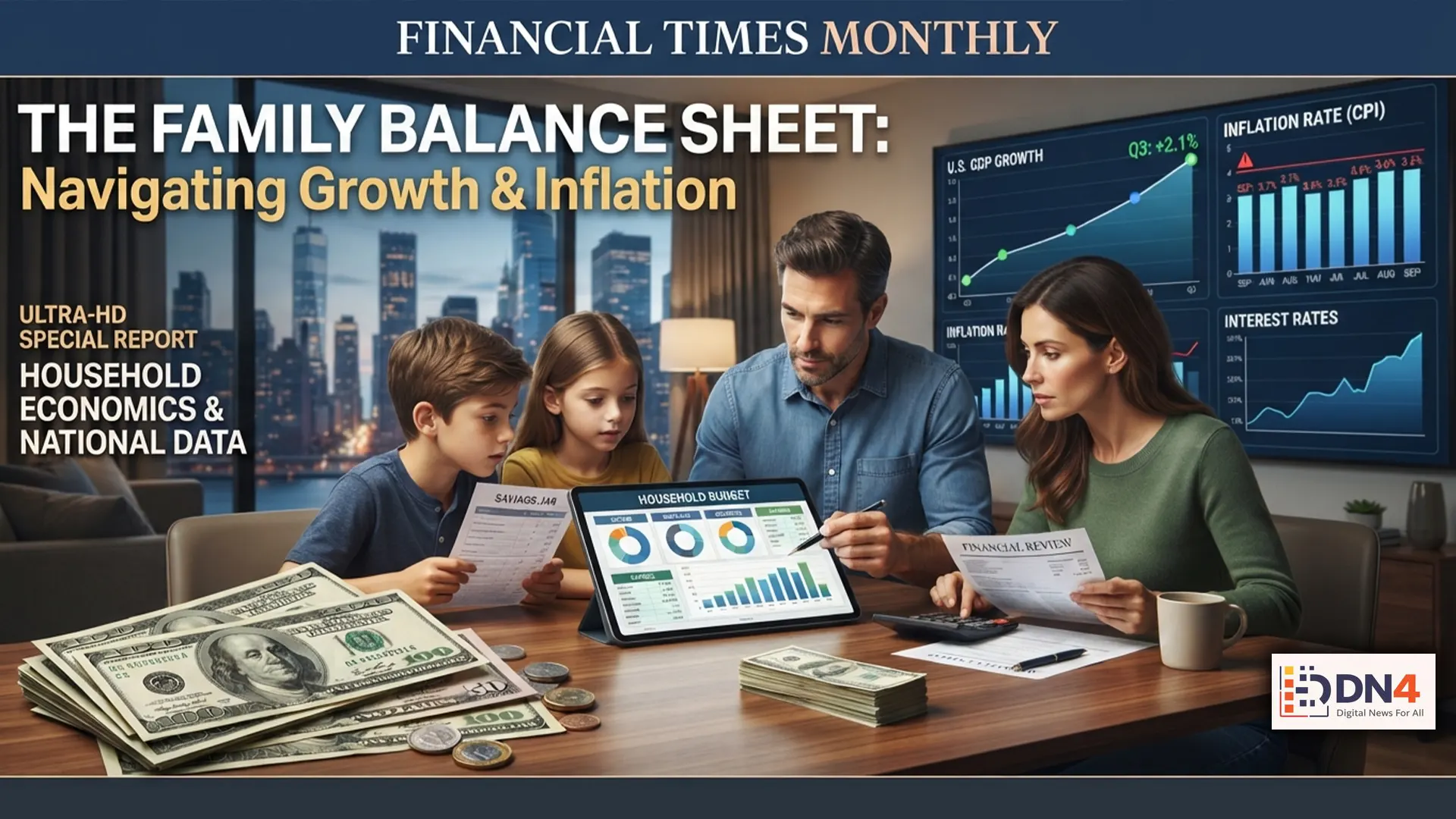
The latest figures from the U.S. Bureau of Economic Analysis (BEA) provide a fresh snapshot of the nation’s economic health, offering valuable clues about consumer spending, inflation, personal income, and overall economic growth. While economists often focus on complex data tables, the numbers ultimately affect everyday Americans—from grocery bills and mortgage rates to savings accounts and job opportunities.
The BEA’s reports on Gross Domestic Product (GDP), personal income, and consumer spending help policymakers, businesses, and investors assess where the economy is heading. For households, these indicators can signal whether financial conditions are improving or becoming more challenging.
Consumer Spending Still Drives Growth
Consumer spending remains the largest contributor to U.S. economic activity. When households continue buying goods and services, businesses are more likely to hire workers, invest in expansion, and increase production. However, spending patterns often shift as families respond to changing prices, borrowing costs, and confidence about the future.

Recent BEA data suggests that while spending remains resilient, consumers are becoming more selective about discretionary purchases as they balance household budgets amid higher living costs.
Income and Inflation Matter Most
Personal income growth is another key indicator closely watched by economists. Rising wages can help offset inflation, giving households greater purchasing power. At the same time, inflation continues to influence everything from food and fuel prices to housing and healthcare costs.
The Federal Reserve monitors economic data alongside inflation trends when making decisions about interest rates. Those decisions can directly affect mortgage rates, auto loans, credit cards, and business financing.

What It Means for Your Wallet
For most families, the latest economic data points to a mixed picture. Stable employment and moderate income growth provide positive signs, but persistent inflation means many households continue looking for ways to manage everyday expenses. Financial experts often recommend maintaining an emergency fund, reducing high-interest debt, and reviewing monthly budgets during periods of economic uncertainty.
Resources from the Consumer Financial Protection Bureau and the U.S. Department of the Treasury offer practical guidance on budgeting, credit management, and financial planning.
Economic reports from the BEA provide more than statistics—they help explain the financial trends shaping everyday life. While no single report predicts the future, monitoring GDP growth, personal income, inflation, and consumer spending offers valuable insight into where the U.S. economy may be heading. For consumers, staying informed remains one of the best ways to make confident financial decisions in an ever-changing economic environment.
#Economy #BEA #Inflation #PersonalFinance #GDP #USEconomy #FinanceNews #EconomicOutlook