

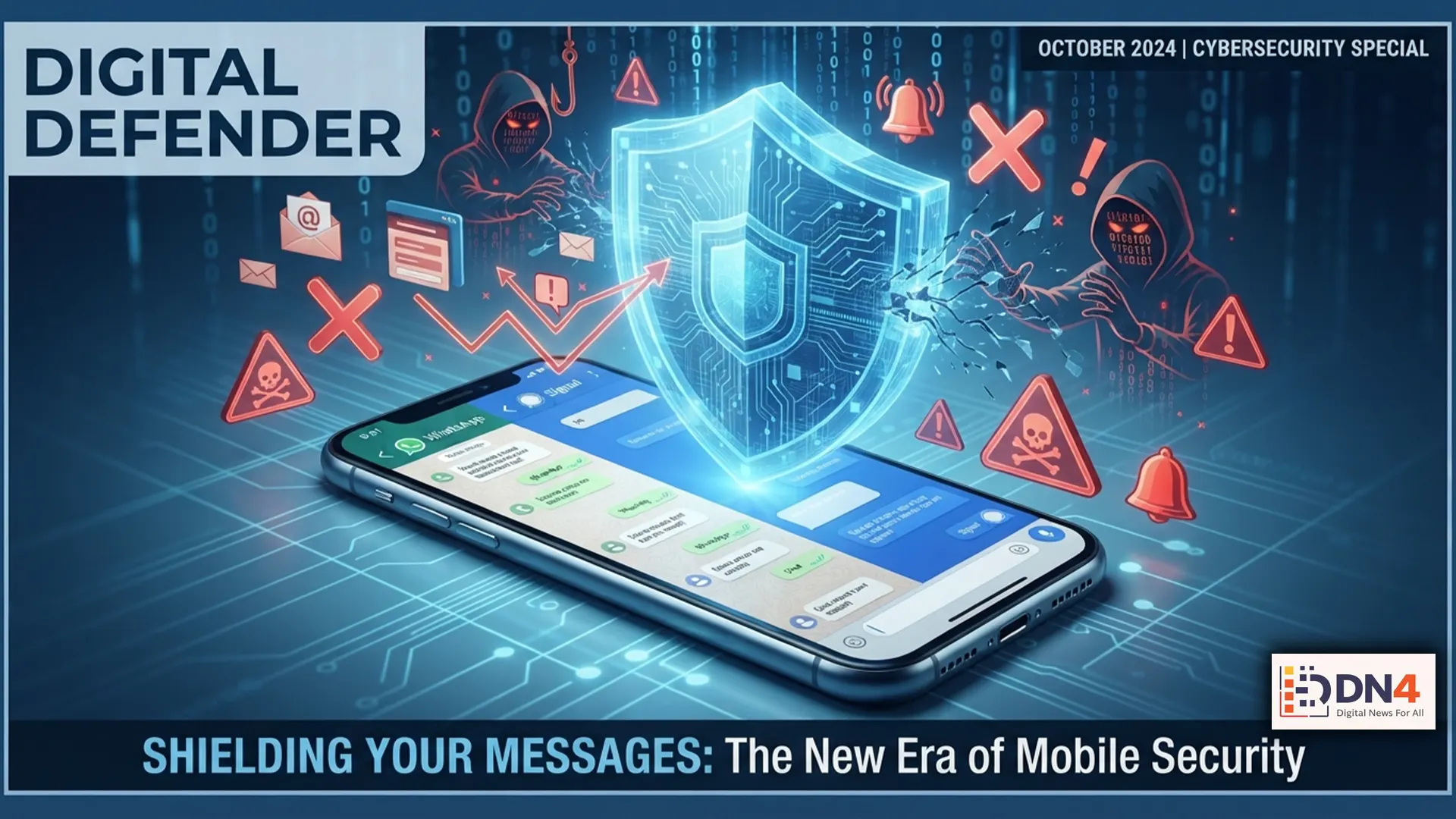
Cybercriminals are becoming increasingly sophisticated, and messaging platforms like WhatsApp and Signal remain popular targets for scammers. In 2026, security experts are warning users about a growing wave of phishing attacks, fake verification requests, impersonation scams, and malicious links designed to steal personal information or hijack messaging accounts.
Although both WhatsApp and Signal use end-to-end encryption to protect conversations, users themselves can still become victims through social engineering. Rather than attacking the apps directly, scammers manipulate people into revealing verification codes, clicking fraudulent links, or installing malicious software.
Common Scams to Watch For
One of the most common tactics involves fake verification messages claiming that your account needs immediate confirmation. Criminals may impersonate customer support or even a trusted contact, asking you to share a one-time verification code. Once obtained, they can register your account on another device and lock you out.
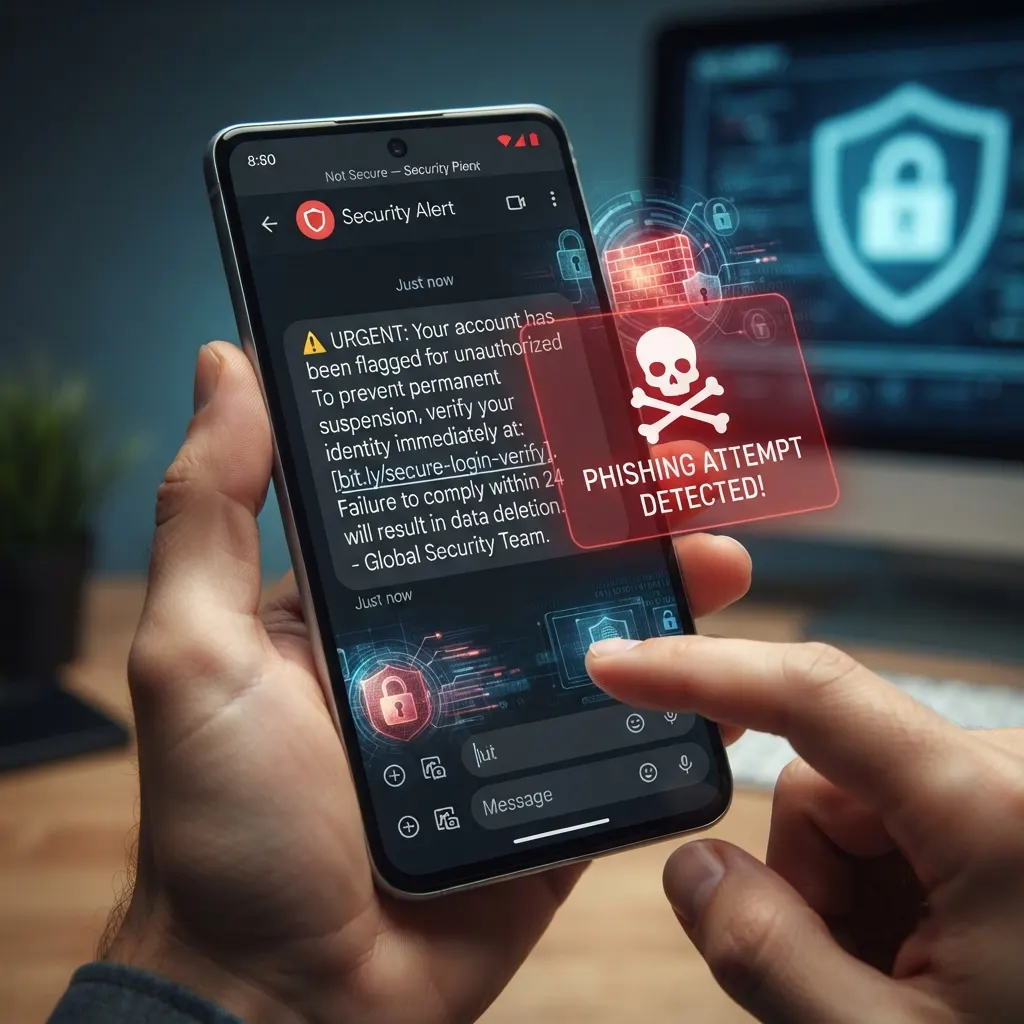
According to the U.S. Cybersecurity and Infrastructure Security Agency (CISA), phishing attacks continue to be among the most effective methods cybercriminals use to compromise personal accounts. Similar guidance from the U.S. Federal Trade Commission (FTC) urges users never to share security codes or passwords with anyone.
How to Secure Your Account
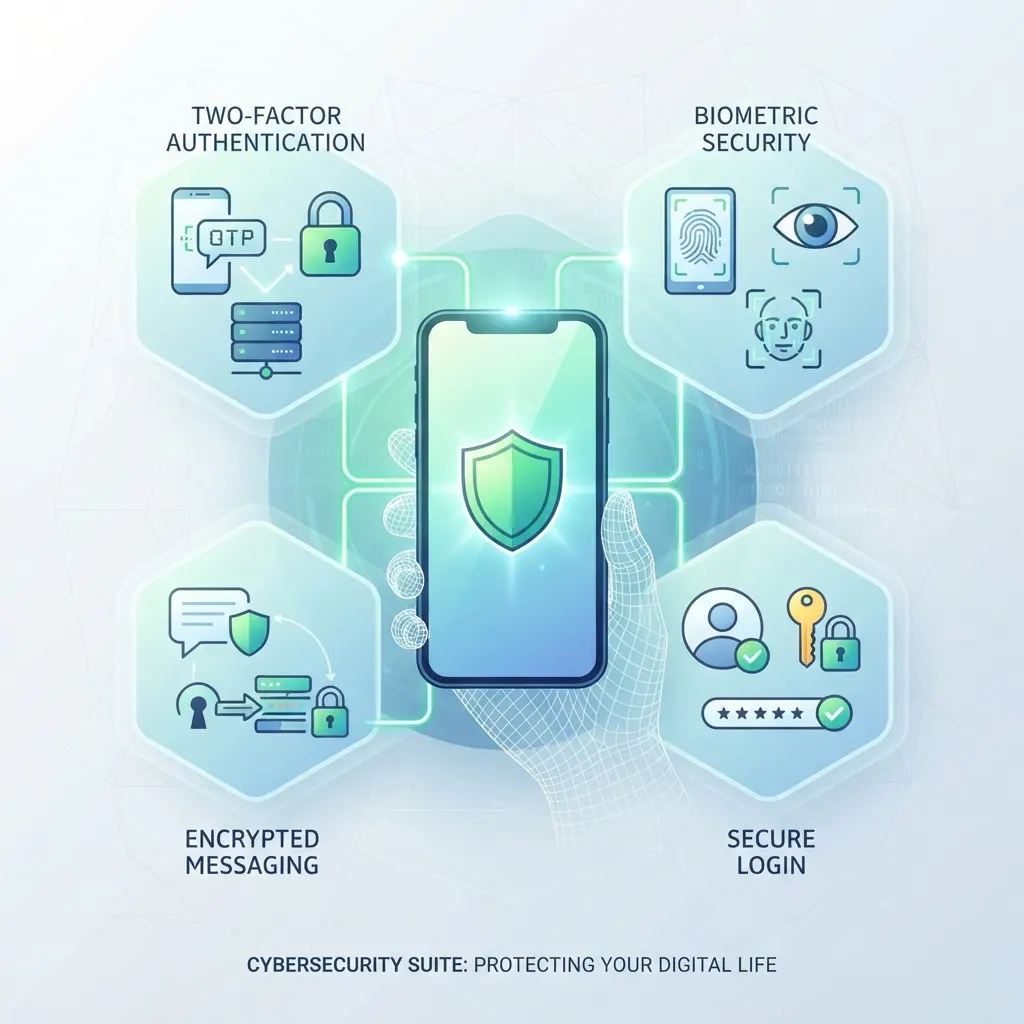
The first and most important step is enabling two-step verification. Both WhatsApp’s Two-Step Verification and Signal’s security settings add an extra PIN that helps prevent unauthorized access, even if someone obtains your verification code.
Users should also keep their apps updated, use strong device passwords, activate biometric authentication where available, and avoid clicking suspicious links sent through messages or email.
Recognizing Red Flags
Be cautious if someone creates a sense of urgency, asks for verification codes, requests money unexpectedly, or claims to represent technical support through an unsolicited message. Official companies rarely contact users this way or ask for confidential credentials.
Experts also recommend reviewing linked devices regularly and removing any unfamiliar sessions. This simple check can help identify unauthorized access before significant damage occurs.
Stay One Step Ahead
Messaging apps remain among the safest communication tools available, but personal vigilance is essential. By enabling security features, recognizing phishing attempts, and following official cybersecurity guidance, users can significantly reduce the risk of becoming victims. In today’s digital landscape, a few preventive steps can make the difference between staying protected and losing control of your online identity.
#WhatsApp #Signal #CyberSecurity #OnlineSafety #ScamAlert #Phishing #TechNews #DigitalSecurity