

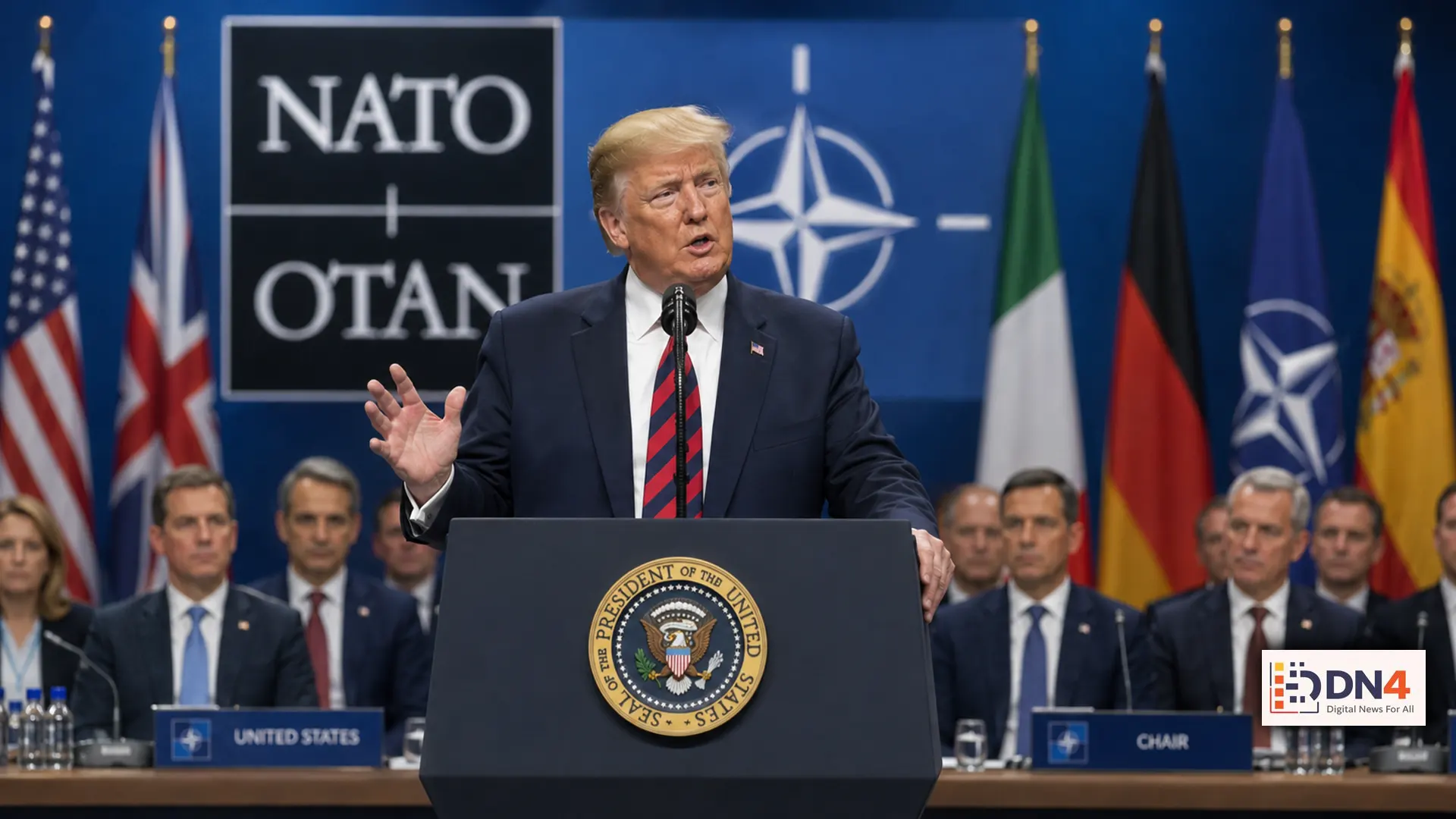
The latest NATO summit has once again placed U.S. foreign policy under intense global scrutiny, particularly as President Donald Trump outlines his approach to the ongoing conflicts in Ukraine and Syria. With Europe facing evolving security challenges and the Middle East remaining a region of strategic importance, the summit highlighted the delicate balance between military commitments, diplomatic negotiations, and alliance unity.
Since returning to office, Trump has emphasized burden-sharing among NATO members while encouraging European allies to increase defense spending. According to NATO, member nations continue strengthening collective defense amid growing geopolitical uncertainty across Europe and beyond.
Ukraine Remains the Central Focus
Ukraine continues to dominate NATO’s security agenda as the conflict with Russia remains unresolved. While the United States has reaffirmed its support for Ukraine’s sovereignty, discussions increasingly focus on balancing military assistance with long-term diplomatic solutions.
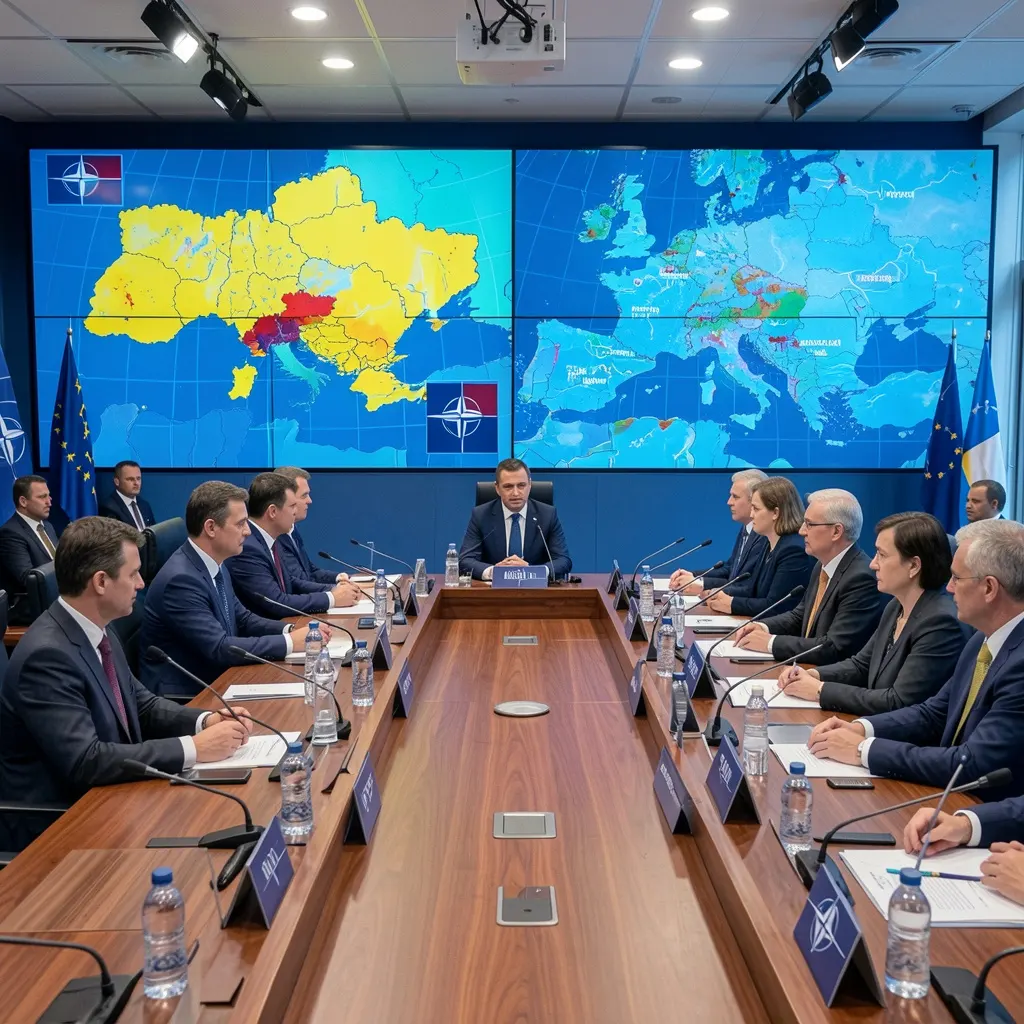
Officials from the U.S. Department of State and allied governments have stressed the importance of maintaining close coordination while pursuing a sustainable path toward regional stability. Trump has repeatedly argued that diplomacy should play a larger role alongside military support, although the specifics of future negotiations remain uncertain.
Syria Still Holds Strategic Importance
Although global attention often centers on Eastern Europe, Syria remains a critical element of international security discussions. The continued presence of extremist groups, humanitarian concerns, and regional power dynamics require ongoing cooperation between NATO allies and international partners.
The United Nations and humanitarian organizations continue calling for greater diplomatic engagement to address civilian needs while supporting efforts to reduce instability throughout the region.
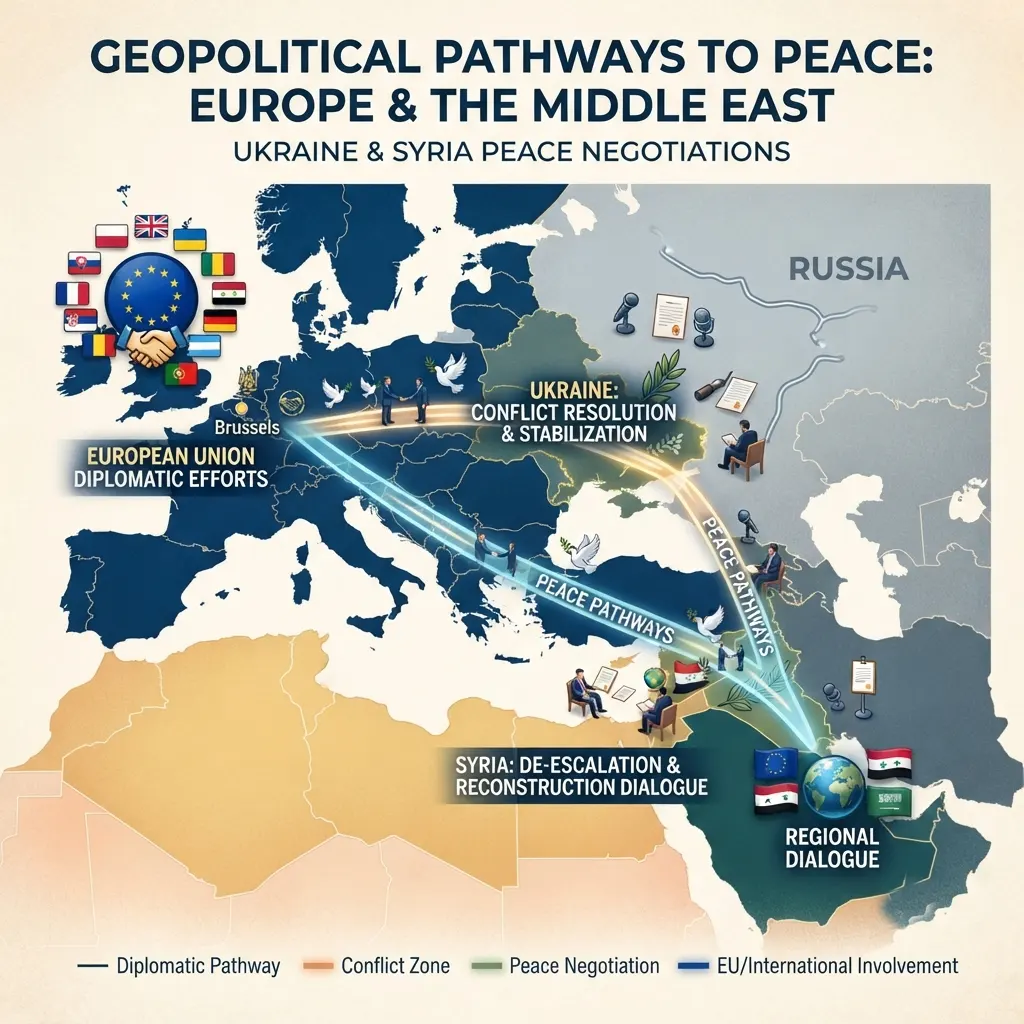
NATO’s Evolving Role
The summit also underscored NATO’s broader transformation. Beyond traditional military defense, the alliance is increasingly addressing cybersecurity, emerging technologies, hybrid warfare, and energy security. These priorities reflect a changing global landscape where conventional conflicts coexist with new security threats.
Resources published by the Center for Strategic and International Studies (CSIS) and the Council on Foreign Relations suggest that future NATO strategies will require balancing deterrence with diplomatic engagement to maintain long-term stability.
Trump’s diplomatic approach at the NATO summit illustrates the ongoing debate over how the alliance should respond to multiple international crises simultaneously. Whether addressing Ukraine, Syria, or broader geopolitical challenges, decisions made by NATO leaders will continue shaping global security for years to come. As negotiations evolve, cooperation among allies is likely to remain central to preserving regional stability while adapting to an increasingly complex international environment.
#Trump #NATO #Ukraine #Syria #ForeignPolicy #Geopolitics #WorldNews #Diplomacy