

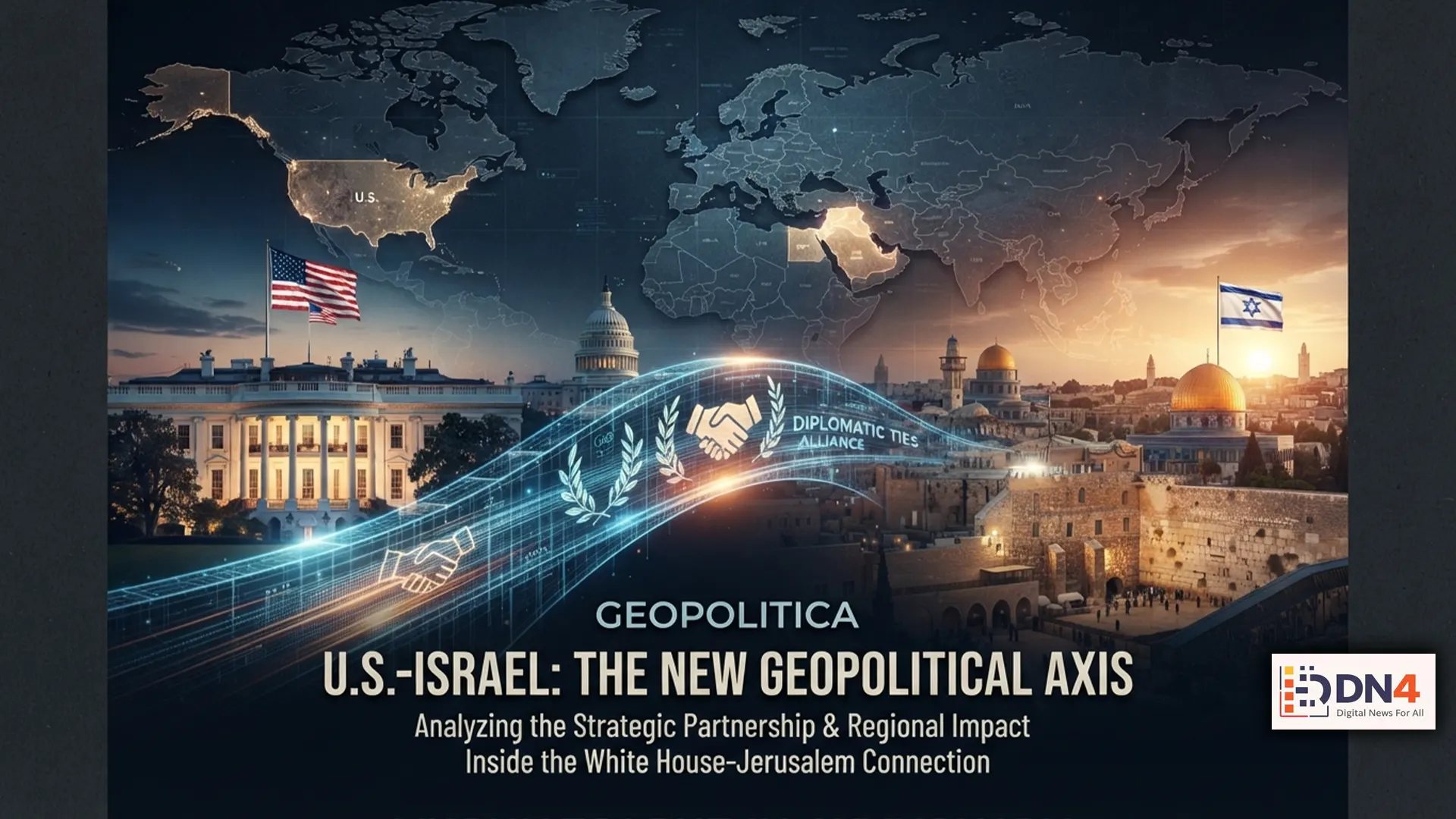
The relationship between the United States and Israel remains one of the most influential partnerships in global politics. As President Donald Trump’s administration outlines its foreign policy priorities, analysts are closely watching how Washington’s approach toward Israel could shape diplomacy across the Middle East. From regional security to peace negotiations and economic cooperation, the evolving relationship carries implications far beyond the two nations.
The United States has long described Israel as a key strategic ally in the Middle East. According to the U.S. Department of State, bilateral cooperation spans defense, intelligence, technology, trade, and scientific research, making the partnership a central pillar of American policy in the region.
A Renewed Focus on Regional Security
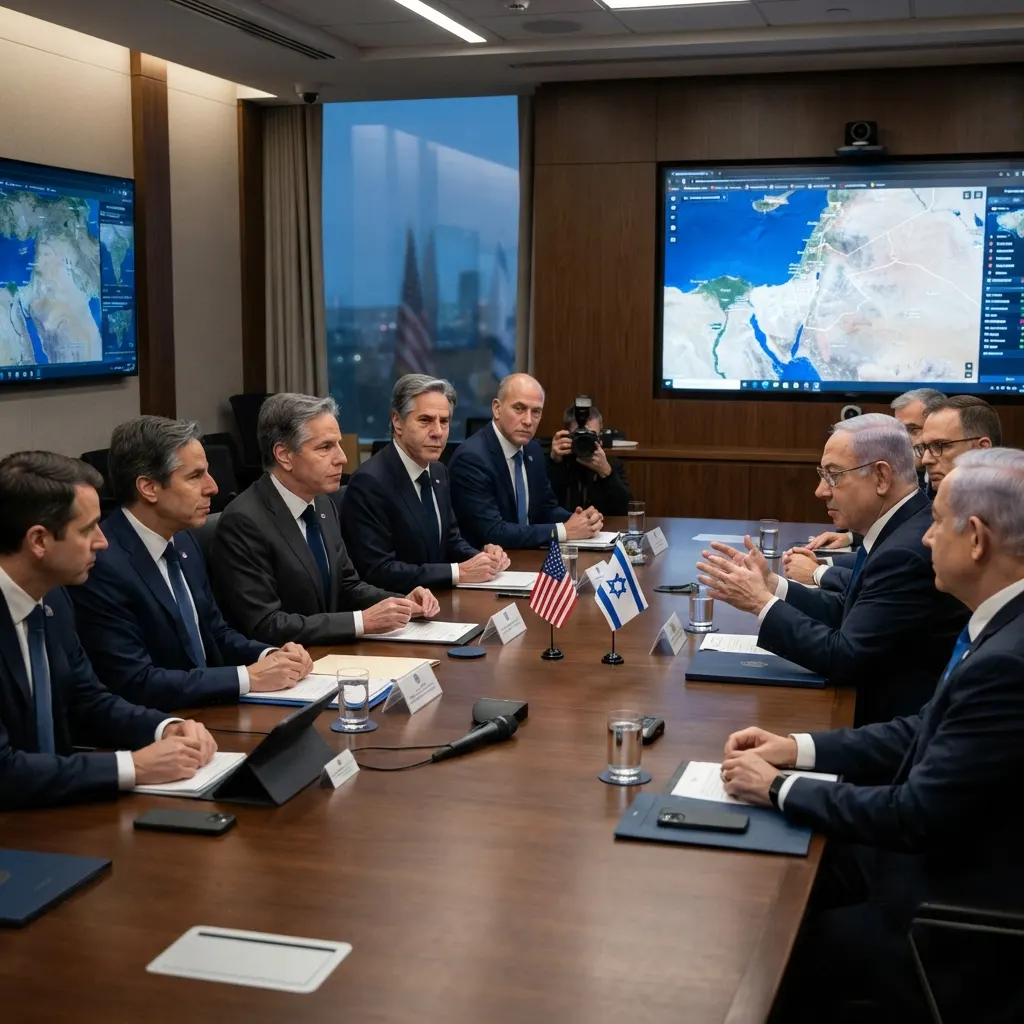
One of the administration’s primary objectives has been strengthening regional stability while addressing ongoing security concerns. Discussions involving Iran’s regional influence, maritime security, and counterterrorism cooperation continue to shape policy decisions affecting both Israel and its neighboring countries.
Officials from the White House and the U.S. Department of Defense have emphasized maintaining close coordination with allies while supporting broader efforts aimed at regional deterrence and stability.
Diplomacy Beyond Bilateral Relations
Beyond direct U.S.-Israel ties, policymakers continue evaluating opportunities to expand regional diplomatic cooperation. Initiatives inspired by the Abraham Accords remain an important reference point, with observers exploring whether additional normalization agreements between Israel and other Middle Eastern nations could emerge.
At the same time, humanitarian concerns and ongoing conflicts continue to dominate international discussions. Organizations such as the United Nations continue advocating for diplomatic engagement, humanitarian assistance, and efforts to reduce regional tensions through peaceful dialogue.
Balancing Domestic and Global Priorities
Foreign policy decisions involving Israel often carry significant domestic political implications within the United States while also influencing relationships with European allies and Middle Eastern partners. Analysts from institutions including the Council on Foreign Relations note that maintaining alliance commitments while adapting to changing geopolitical realities remains one of Washington’s most complex diplomatic challenges.
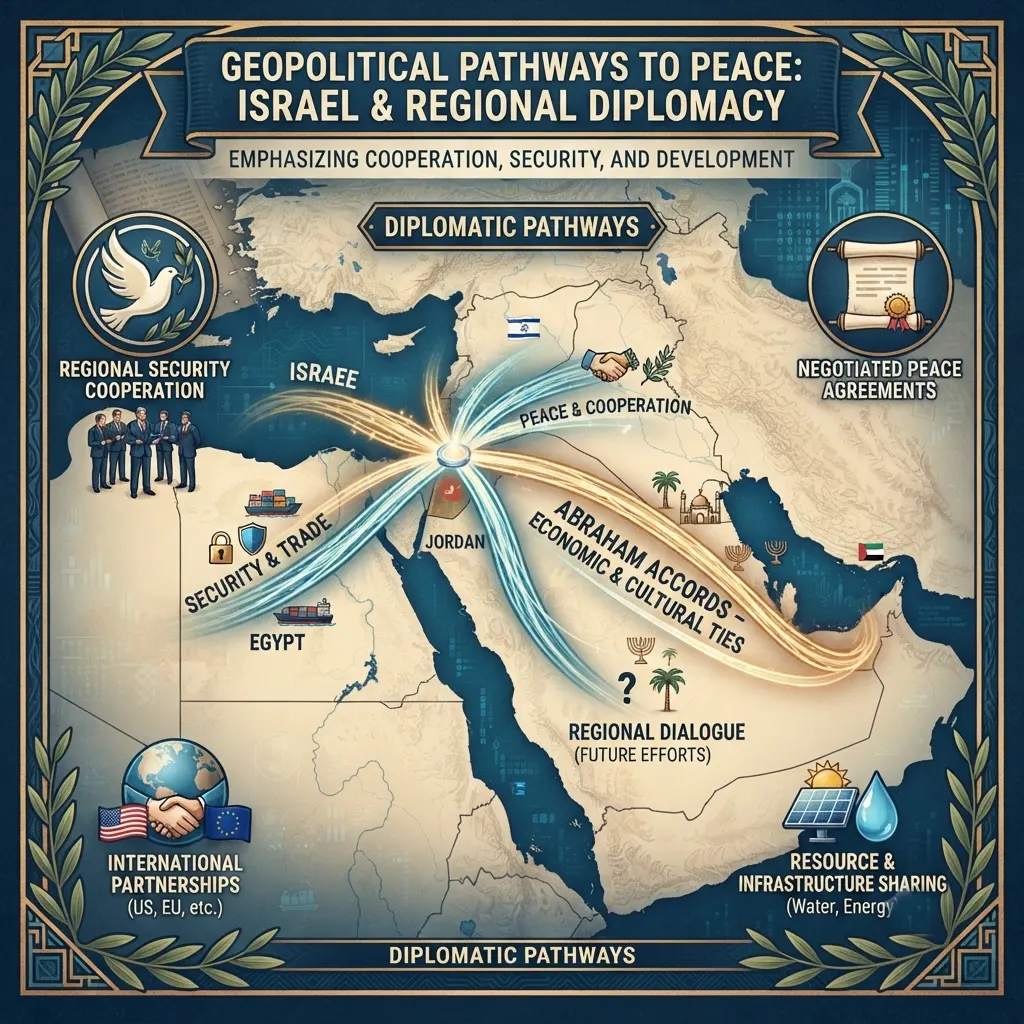
Economic cooperation, defense technology, cybersecurity, and intelligence sharing are also expected to remain key pillars of the relationship regardless of broader regional developments.
As the new administration continues defining its Middle East strategy, the U.S.-Israel partnership is likely to remain central to broader diplomatic and security initiatives. While future policy decisions will depend on evolving regional events and international negotiations, the relationship is expected to continue influencing discussions on peace, stability, and strategic cooperation across the Middle East for years to come.
#Trump #Israel #MiddleEast #ForeignPolicy #Diplomacy #Geopolitics #WorldNews #InternationalRelations