


The CDC vaccine schedule has become the focus of a major federal legal dispute after a judge blocked the implementation of revised childhood immunization recommendations. The March 16, 2026, ruling challenged how federal health officials changed vaccine policy and restructured the advisory committee responsible for reviewing immunization recommendations.
Why Did the Federal Judge Block the Changes?
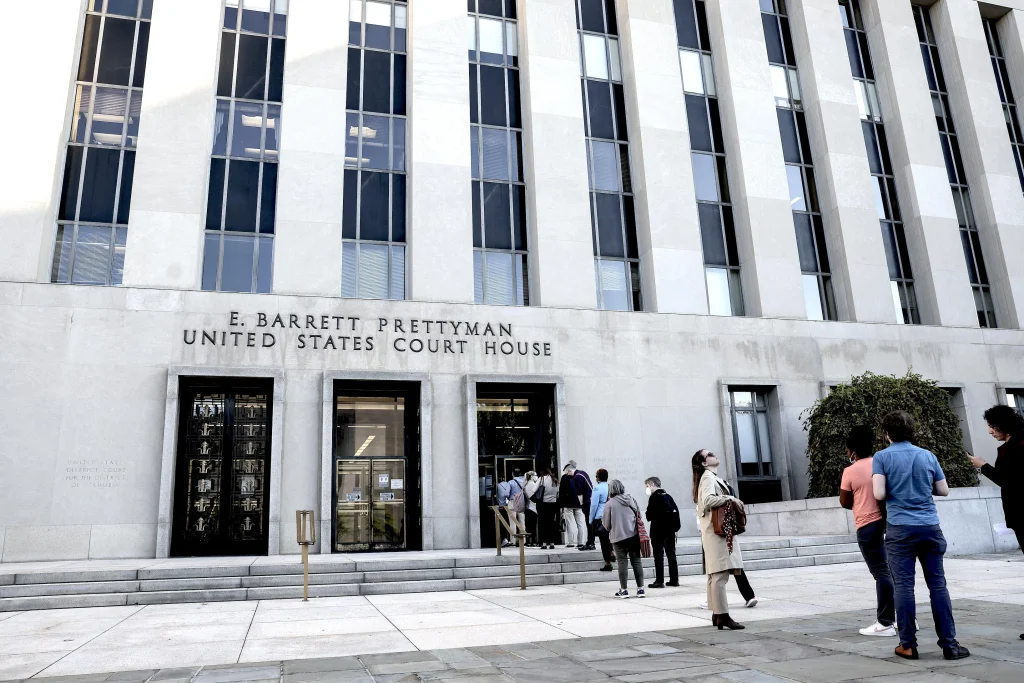
U.S. District Judge Brian Murphy of Massachusetts issued a preliminary order in a lawsuit brought by the American Academy of Pediatrics and other medical organizations. The order paused the January 2026 revision to the childhood vaccine schedule, the appointments of 13 members of the Advisory Committee on Immunization Practices (ACIP), and votes taken by the affected committee.
The plaintiffs argued that officials bypassed established procedures and failed to provide adequate justification for major policy changes. The judge concluded that the challengers were likely to succeed on key legal claims at this preliminary stage. Read the federal court’s March 16 order for the reasoning behind the decision.
What Was the Vaccine Schedule Overhaul?
In January, federal officials revised childhood immunization recommendations, reducing the number of vaccines recommended universally and changing the recommendation categories for several diseases. The changes affected recommendations involving vaccines for illnesses such as influenza, hepatitis A, rotavirus, and COVID-19.
Officials supporting the overhaul argued that the United States should review vaccine recommendations in light of practices in other developed countries. Medical organizations challenged the process and questioned whether the changes were adequately supported by evidence.
The Congressional Research Service analysis explains the revised schedule, the litigation, and potential implications for federal vaccine programs. The Reuters coverage of the ruling also outlines the competing legal arguments.
Why the Advisory Committee Matters
ACIP advises the Centers for Disease Control and Prevention on vaccine use. Its recommendations can influence clinical practice, insurance coverage, and public health planning. The court’s order raised questions about whether the committee had been properly constituted and whether its decisions followed required procedures.
The administration challenged the ruling on the committee appointments. On October 6, the First U.S. Circuit Court of Appeals heard arguments on that issue. The appeal was focused on the appointments, rather than a broad appeal to reinstate the January schedule. See Reuters’ report on the October hearing.

What Does This Mean for Families?
The ruling does not ban vaccines. It pauses specified policy changes while the legal case continues. Families should not assume that every vaccine recommendation has disappeared or that the ruling changes an individual child’s medical needs.
Parents can consult the CDC’s childhood and adolescent immunization schedule resources and speak with a qualified healthcare professional about age, health history, and appropriate vaccinations. The American Academy of Pediatrics also publishes professional guidance for pediatric care.
A Legal Battle With National Consequences
The case highlights a broader dispute over federal agency authority, scientific review, and public accountability. The administration says it should have room to revise national recommendations, while medical organizations argue that major changes must follow the law and established review procedures.
With the litigation continuing, vaccine guidance and the advisory process remain under scrutiny. The eventual legal outcome could shape how future federal immunization policies are developed and reviewed.
#CDC #Vaccines #VaccineSchedule #PublicHealth #ChildhoodImmunization #HealthPolicy #FederalCourt #ACIP #HealthcareNews