

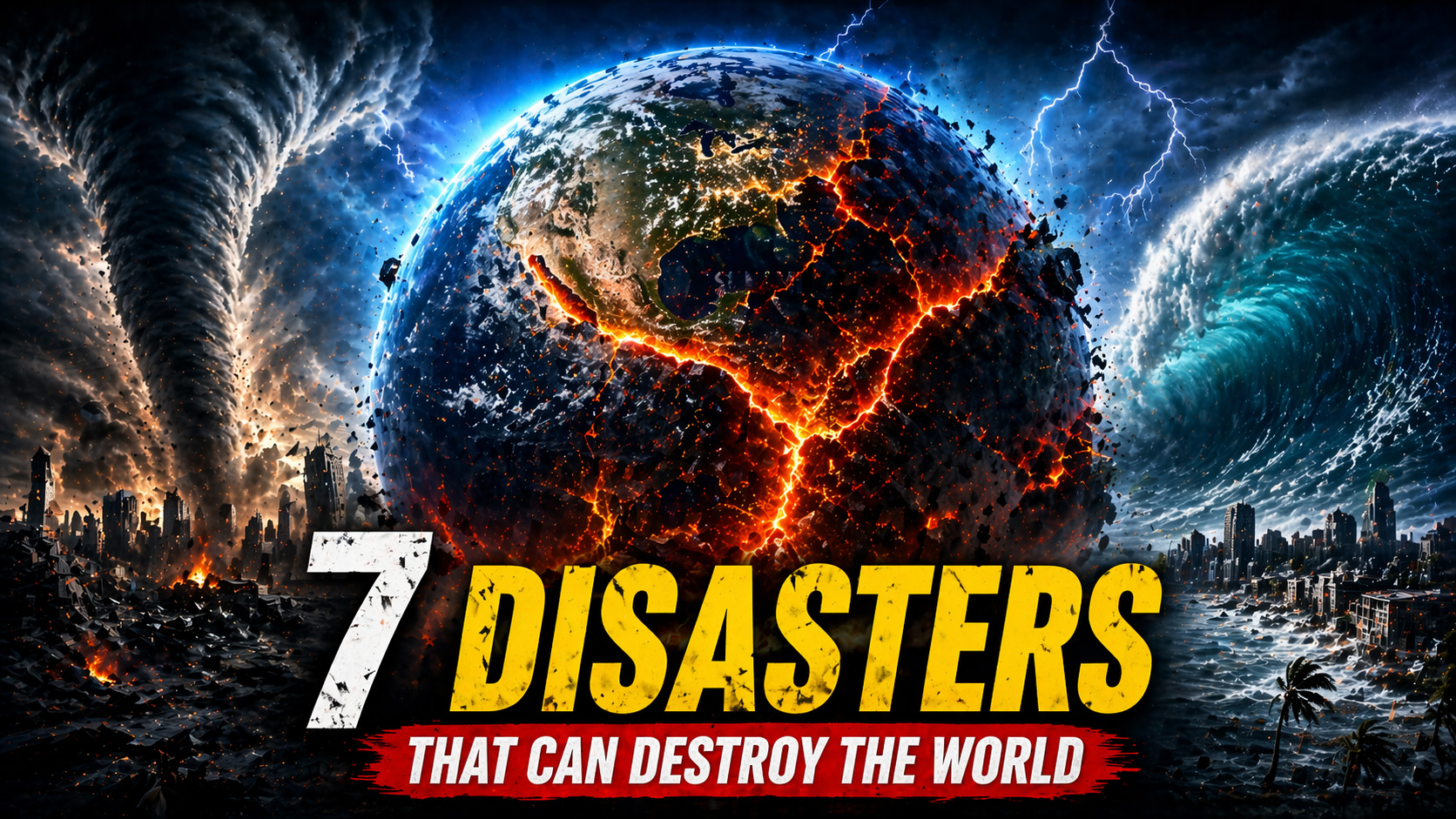
What if everything changed in just minutes?
From massive earthquakes to unstoppable tsunamis, nature has the power to reshape our world in ways we can barely imagine. Some of these disasters have already caused unimaginable destruction—and they could happen again at any time.
In this article, we break down the most powerful natural disasters on Earth, how they happen, and why they’re so dangerous.
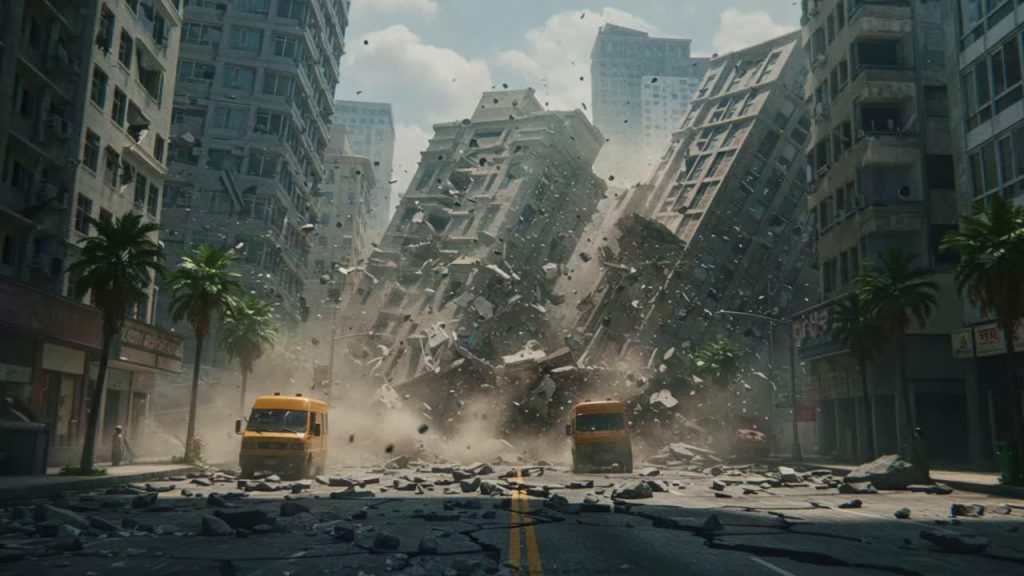
1. Earthquakes: When the Ground Turns Against You
Earthquakes occur when tectonic plates suddenly shift, releasing massive amounts of energy beneath the Earth’s surface. This creates seismic waves that can destroy entire cities in seconds.
One of the most devastating examples is the 2010 Haiti earthquake, which killed over 230,000 people and left millions homeless.
Why they’re dangerous:
- No warning
- Instant destruction
- Can trigger tsunamis and landslides
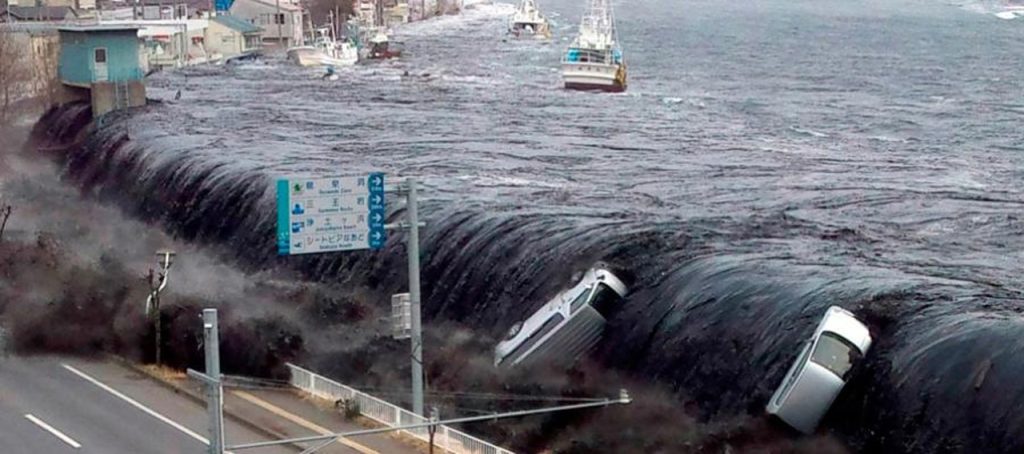
2. Tsunamis: Walls of Water
Tsunamis are giant ocean waves usually triggered by underwater earthquakes or volcanic eruptions. They can travel at speeds over 500 mph and strike coastlines with little warning.
The 2004 Indian Ocean tsunami remains one of the deadliest disasters in history, killing more than 230,000 people across multiple countries.
Why they’re dangerous:
- Extremely fast
- Massive impact force
- Hard to escape once visible
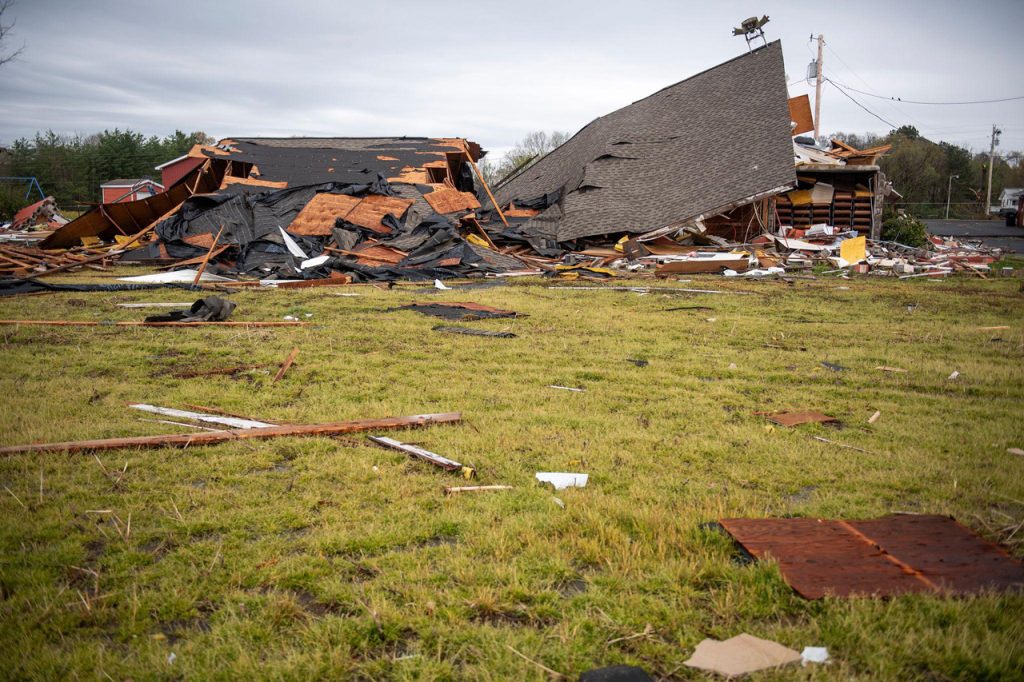
3. Tornadoes: Nature’s Most Violent Winds
Tornadoes are spinning columns of air that form during severe storms. With winds exceeding 300 mph, they can flatten buildings and toss vehicles like toys.
The 2011 Joplin tornado is a chilling example, leaving a path of destruction and 158 fatalities.
Why they’re dangerous:
- Unpredictable paths
- Extreme wind speeds
- Sudden formation
4. Hurricanes: Massive Storm Systems
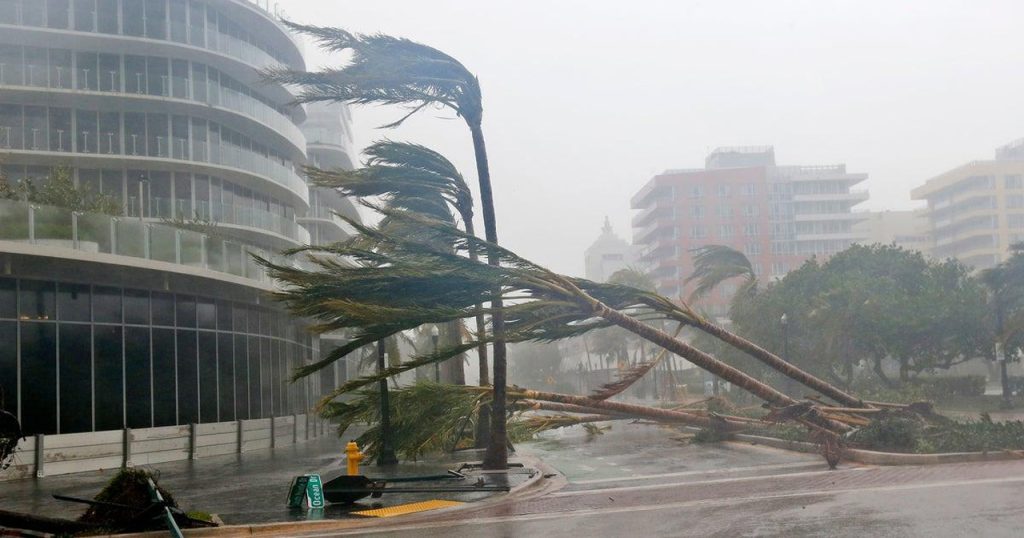
Hurricanes (also called typhoons or cyclones) form over warm ocean waters and bring destructive winds, heavy rainfall, and storm surges.
Hurricane Katrina (2005) caused catastrophic flooding in New Orleans and resulted in over $125 billion in damages.
Why they’re dangerous:
- Widespread impact
- Flooding + wind damage
- Long-lasting effects
5. Volcanic Eruptions: Explosive Destruction
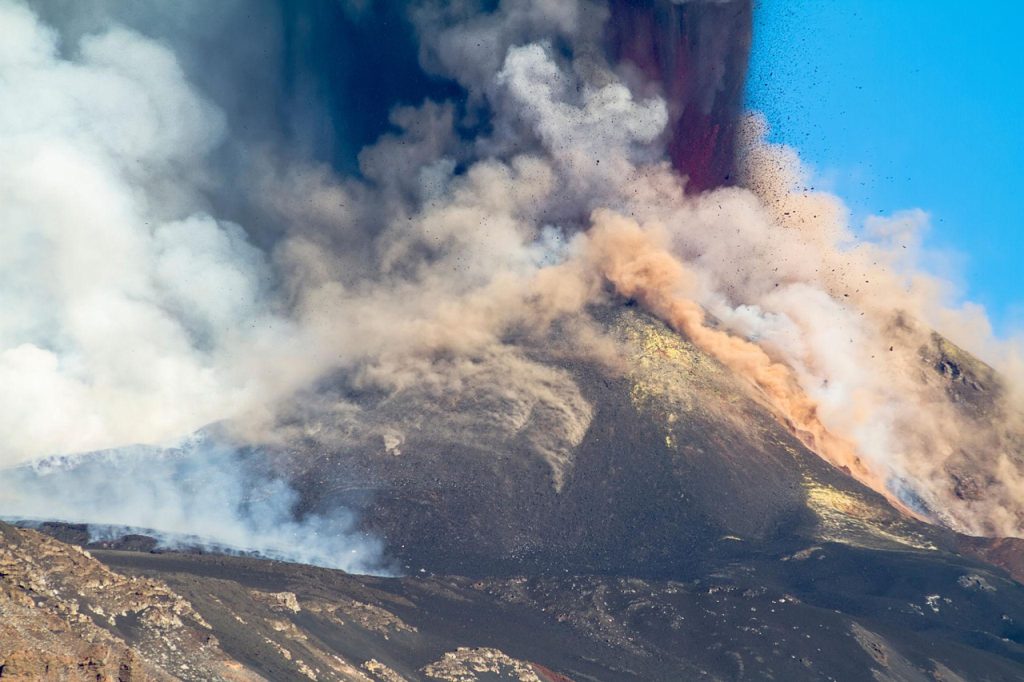
Volcanoes erupt when magma escapes from beneath the Earth’s crust. These eruptions can release lava, ash, and toxic gases.
The eruption of Mount Vesuvius in AD 79 buried Pompeii, preserving the city in ash for centuries.
Why they’re dangerous:
- Lava flows and ash clouds
- Air travel disruption
- Long-term environmental impact
6. Wildfires: Fast-Spreading Infernos
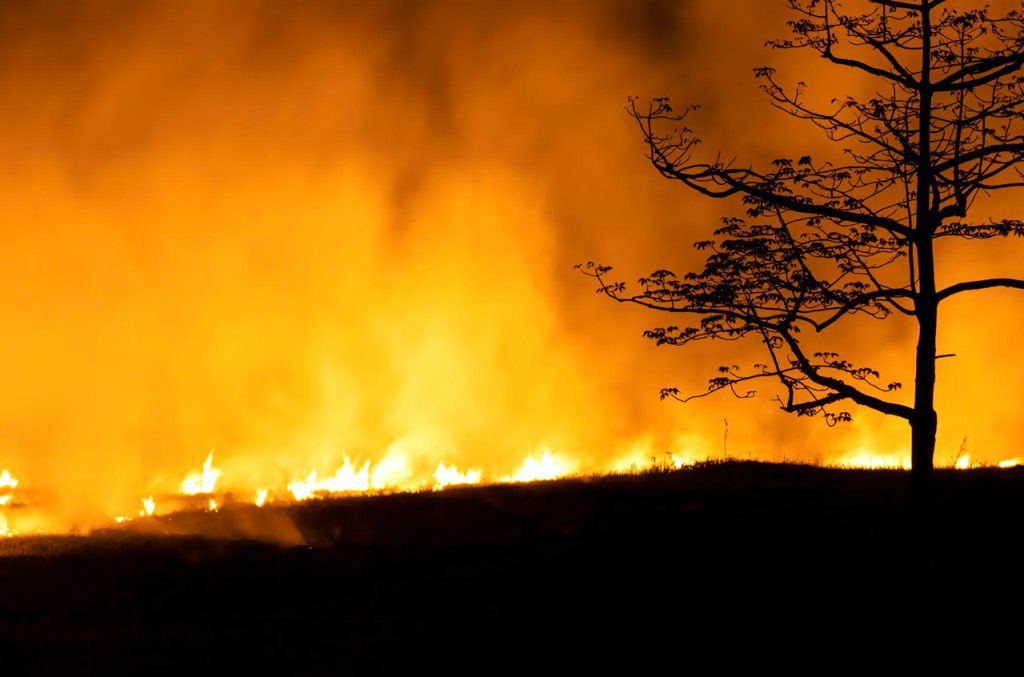
Wildfires can ignite naturally or through human activity, spreading rapidly under dry and windy conditions.
The 2019–2020 Australian bushfires burned millions of acres and impacted nearly 3 billion animals.
Why they’re dangerous:
- Rapid spread
- Hard to control
- Massive ecological damage
7. Floods: Silent and Deadly
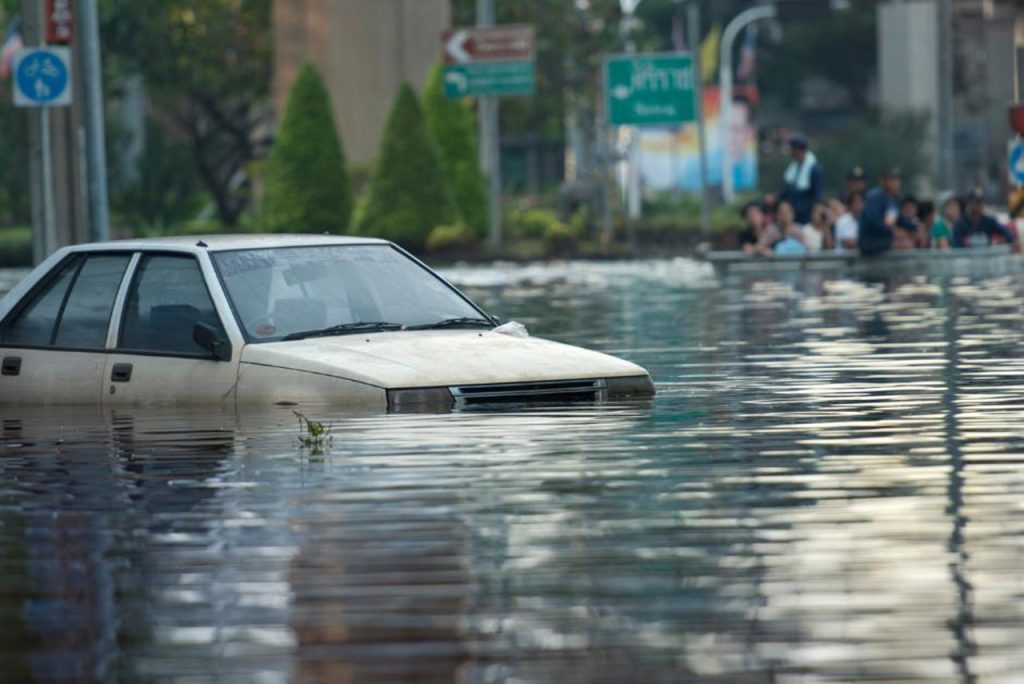
Floods occur due to heavy rainfall, dam failures, or rising sea levels. They can submerge entire regions and lead to long-term devastation.
The 1931 China floods are believed to have caused up to 4 million deaths, making them one of the deadliest disasters ever recorded.
Why they’re dangerous:
- Widespread impact
- Long recovery time
- Risk of disease and famine
Why These Disasters Matter More Than Ever
As climate change continues to affect global weather patterns, many of these disasters are becoming more frequent and intense.
That means:
- Stronger storms
- Longer droughts
- More extreme events
Understanding these forces isn’t just interesting—it’s essential for survival and preparedness.
Final Thoughts
Nature doesn’t need much time to change everything.
In just minutes, a powerful disaster can reshape cities, countries—even entire regions of the world.
The more we understand these events, the better we can prepare, respond, and protect ourselves.
💬 What Do You Think?
Which of these disasters do you think is the most dangerous?
 Watch now and tell us: Which one scares you most?