

 By Vinod Ram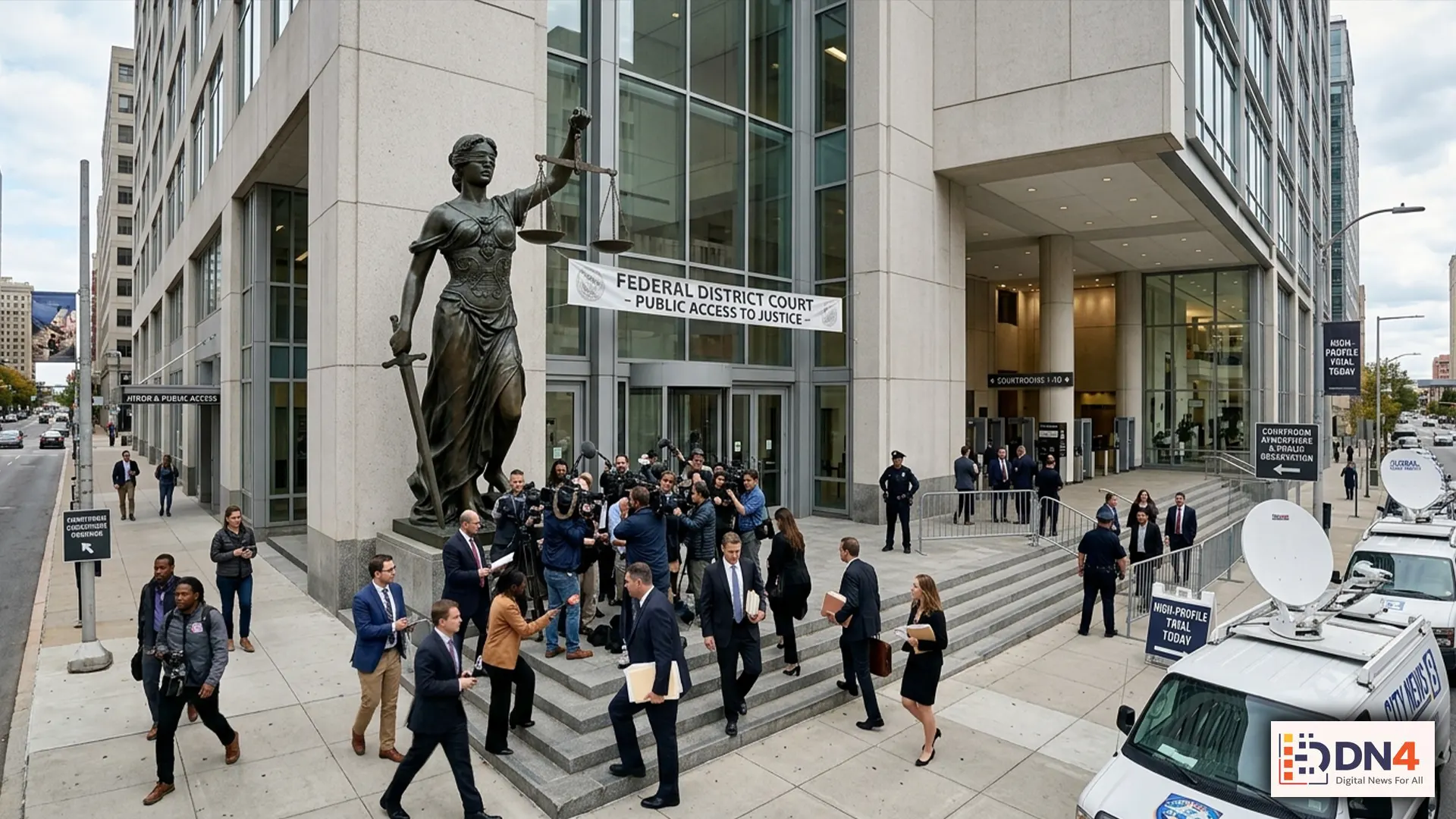
Few criminal cases in recent years have generated as much public attention as the trial involving Rebecca Grossman. The case attracted nationwide media coverage due to its tragic circumstances, the prominence of those involved, and the broader questions it raised about accountability, reckless driving, and criminal liability.
Beyond the headlines, legal professionals continue to examine whether the Grossman verdict may influence future prosecutions involving vehicular crimes, reckless conduct, and evidence evaluation.
Coverage from Reuters, Associated Press, and legal analysis published by Law.com has highlighted the broader implications of the case for criminal justice observers.
Understanding the Case
The Grossman case centered on allegations involving dangerous driving behavior that resulted in a fatal collision. Prosecutors argued that the defendant’s actions demonstrated a level of recklessness sufficient to support serious criminal charges, while the defense challenged aspects of causation, intent, and responsibility.
As with many high-profile criminal proceedings, the case generated extensive public debate regarding the standards courts use when determining criminal culpability in vehicular fatalities.

Why the Verdict Drew Legal Attention
Legal experts noted that the verdict reinforced the principle that criminal liability can extend beyond traditional intoxication-based offenses when prosecutors successfully establish extreme recklessness.
Resources published by the American Bar Association and educational materials from Nolo explain how courts frequently evaluate factors such as speed, driver behavior, awareness of risk, and surrounding circumstances when determining criminal responsibility.
Potential Legal Precedents
While every case is fact-specific, several themes emerging from the Grossman verdict may influence future legal discussions:
- Expanded focus on reckless driving evidence
- Greater scrutiny of driver decisionmaking
- Use of digital and forensic evidence in traffic fatalities
- Evaluation of implied awareness of risk
- Broader interpretation of criminal negligence standards
Legal scholars often emphasize that precedents are shaped not only by verdicts but also by judicial reasoning and appellate decisions that follow.
The Role of Digital Evidence
Modern criminal cases increasingly rely on technology-based evidence. Vehicle data, surveillance footage, mobile device records, and accident reconstruction tools now play a major role in courtroom proceedings.
Organizations such as the National Center for State Courts have documented how evolving technologies continue to influence evidentiary standards and litigation strategies.

Public Perception and Accountability
The Grossman case also highlighted the growing intersection between public opinion and highprofile legal proceedings. While courts are guided by evidence and legal standards, intense media coverage often shapes public understanding of complex cases.
Legal analysts caution that courtroom outcomes should be interpreted through the lens of judicial findings rather than public sentiment alone.
What Future Cases May Learn
Prosecutors and defense attorneys alike are likely to study aspects of the Grossman case when preparing future vehicular homicide and reckless driving prosecutions.
Key lessons may include the importance of accident reconstruction, expert testimony, digital evidence preservation, and demonstrating a defendant’s awareness of potential risks.
The Grossman verdict stands as one of the most closely watched criminal cases involving vehicular fatalities in recent years. Whether its long-term influence ultimately shapes future legal precedent will depend on subsequent court decisions, appeals, and evolving judicial interpretations.
What is already clear, however, is that the case has intensified conversations about accountability, reckless conduct, and the legal standards used to evaluate serious driving-related offenses.
#GrossmanVerdict #LegalAnalysis #CourtCase #CriminalJustice #LegalNews #JudicialSystem #LawAndOrder #CourtroomNews #LegalPrecedent #JusticeSystem