

 By Vinod Ram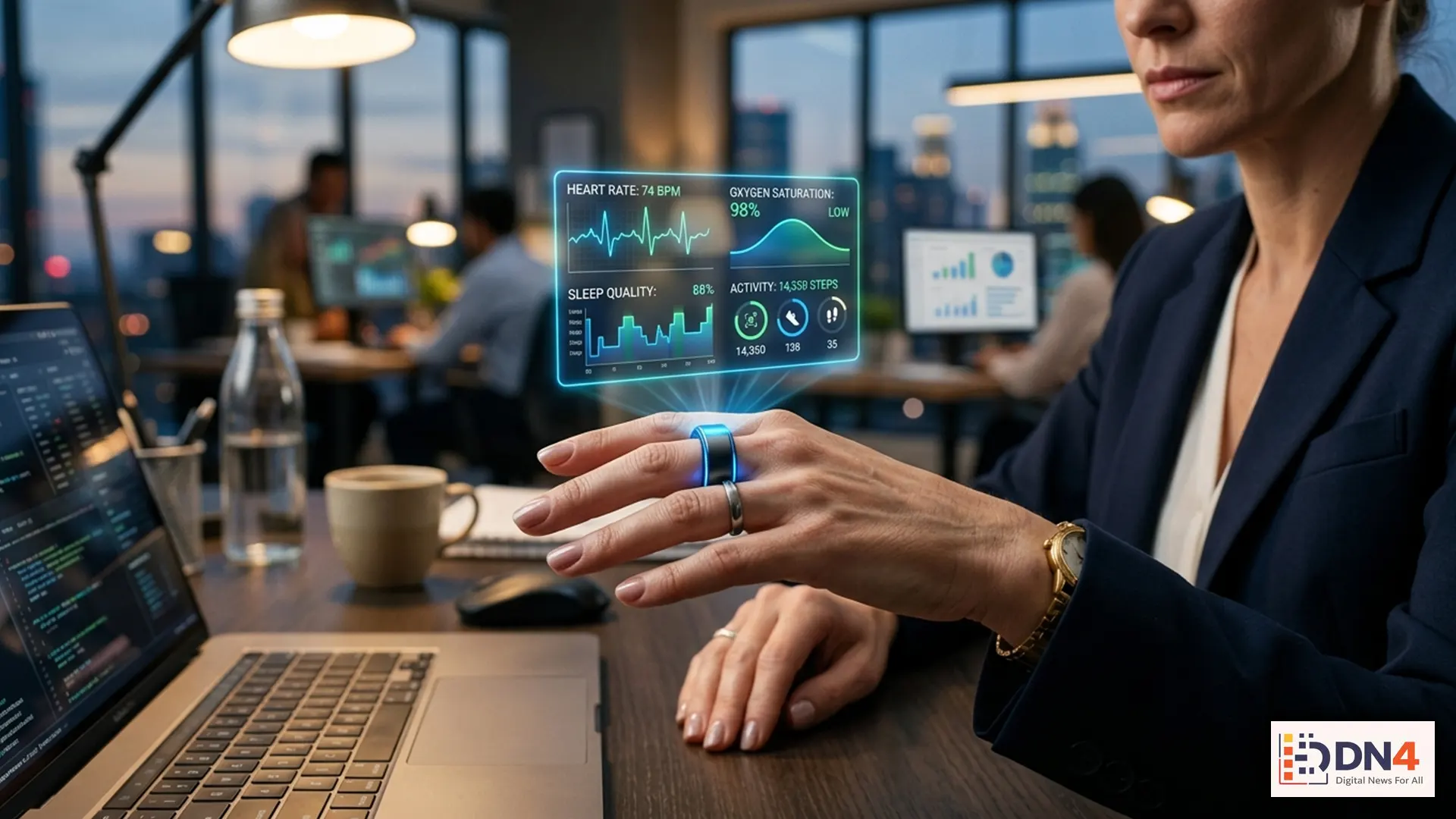
For years, smartwatches dominated the wearable technology market, offering fitness tracking, notifications, and health monitoring directly from the wrist. But a new contender is quietly taking over: the smart ring.
Devices like the Oura Ring, Samsung Galaxy Ring, and emerging products from leading wearable tech companies are attracting consumers who want powerful health insights without the bulk of a smartwatch.
As wearable technology evolves, smart rings are quickly becoming the preferred choice among professionals, fitness enthusiasts, and privacy-conscious users across the United States.
Why Smart Rings Are Gaining Popularity
Unlike traditional smartwatches, smart rings are lightweight, discreet, and designed to blend seamlessly into daily life. They provide advanced biometric tracking while remaining virtually unnoticeable.
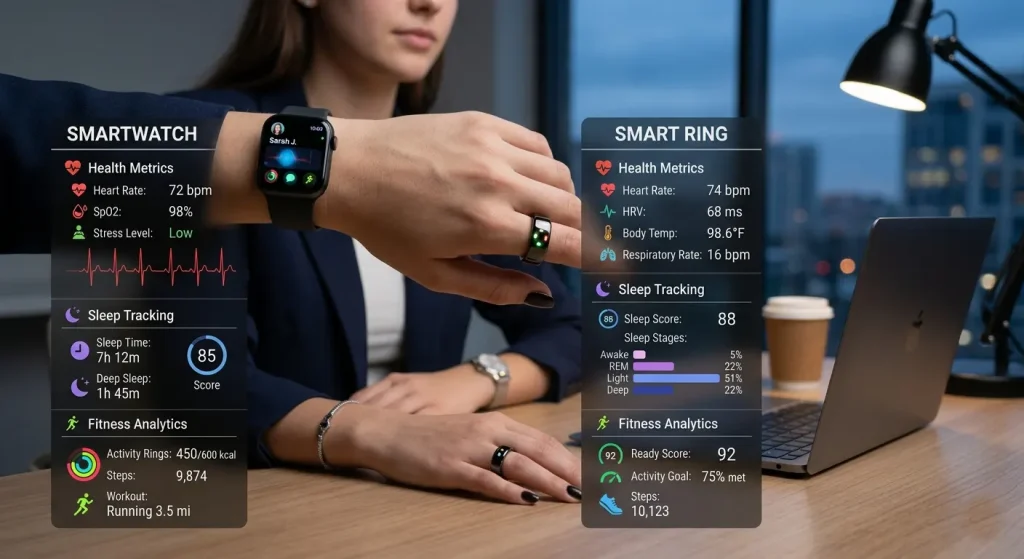
Many of today’s leading smart rings can monitor:
- Heart rate and heart rate variability
- Sleep quality and recovery
- Blood oxygen levels
- Stress indicators
- Activity and fitness performance
Research highlighted by Mayo Clinic and wearable technology analysts at Gartner suggests consumers increasingly prefer less intrusive health-monitoring devices.
The Appeal of Minimalist Technology
One major reason for the shift is simplicity. Many users have grown tired of constantly charging large wearable devices and dealing with endless notifications.
Smart rings focus primarily on health tracking and wellness metrics rather than functioning as miniature smartphones. This minimalist approach resonates strongly with consumers seeking digital balance.
Technology experts at Forrester Research note that wearable buyers are increasingly prioritizing passive health monitoring over communication features.
Health Tracking Is Driving Adoption
Health optimization remains one of the strongest drivers behind smart ring adoption. Devices can collect detailed sleep, recovery, and readiness scores that help users better understand their overall wellness.
Companies such as Apple and Fitbit have helped popularize wearable health technology, paving the way for newer form factors like smart rings.

Many consumers now view health data as essential information, much like checking bank balances or weather forecasts.
Could Smart Rings Replace Smartwatches?
Not entirely. Smartwatches still offer advantages for messaging, navigation, and app integration. However, smart rings are increasingly becoming the preferred companion device for users focused on wellness, comfort, and battery life.
Industry analysts believe the wearable market is shifting toward specialized devices rather than one-size-fits-all gadgets.
As sensors become smaller and more powerful, smart rings could become one of the most important personal technology products of the next decade.
For many tech-savvy Americans, the future of wearable technology may no longer be on the wrist—it may be right at their fingertips.
#SmartRings #WearableTech #HealthTech #OuraRing #SamsungGalaxyRing #FitnessTracking #TechnologyTrends #DigitalHealth