

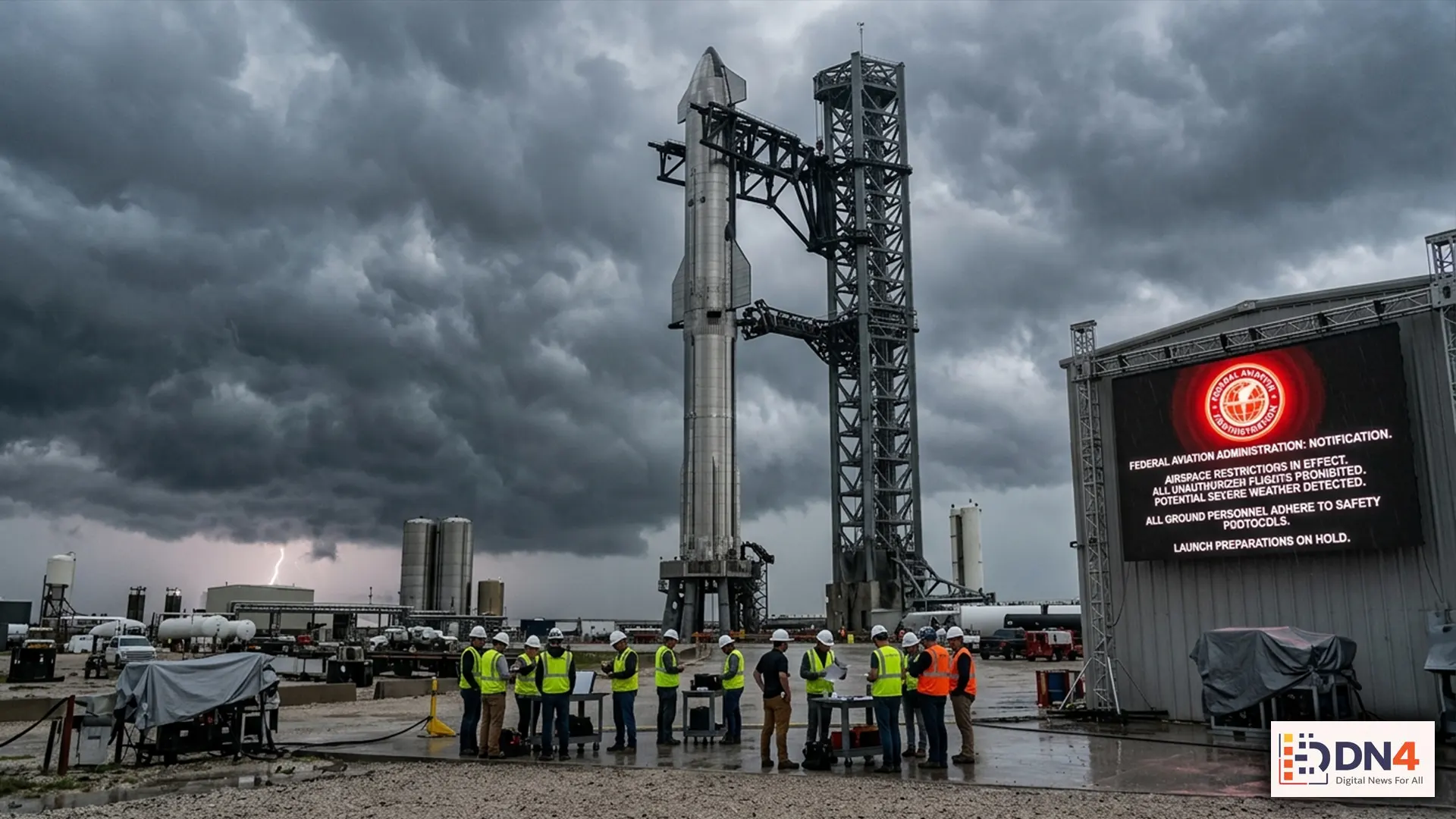
The future of SpaceX’s ambitious Starship program is once again under intense scrutiny after the Federal Aviation Administration (FAA) temporarily grounded the spacecraft following its latest test mission.
The decision has sparked major debate across the aerospace industry, raising fresh questions about commercial spaceflight safety, regulatory oversight, and whether humanity’s dream of reaching Mars could face longer delays than expected.
For SpaceX founder Elon Musk, the setback is another reminder that building the world’s most powerful reusable rocket comes with enormous technical and political challenges.
Why Did the FAA Ground Starship?
The FAA grounding follows concerns raised during Starship’s recent launch and recovery operations. While SpaceX celebrated several technical milestones, regulators reportedly identified safety and compliance issues requiring further investigation before future launches can proceed.
Federal officials are expected to review:
- Launch system performance
- Debris and environmental impact
- Public safety risks
- Flight termination systems
- Operational compliance procedures
According to aerospace analysts at NASA, every Starship test provides valuable engineering data, even when missions do not fully succeed.
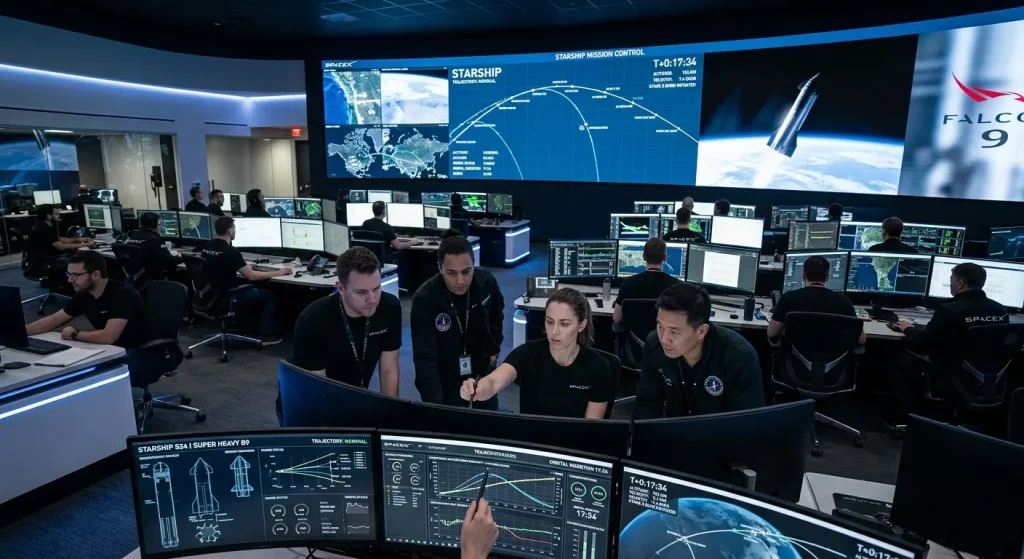
Why Starship Matters So Much
Starship is not just another rocket. SpaceX hopes the spacecraft will eventually become the backbone of future lunar missions, satellite deployments, and long-term Mars colonization efforts.
The vehicle is also central to NASA’s Artemis program, which aims to return astronauts to the Moon later this decade.
Industry experts believe Starship could dramatically reduce launch costs if fully reusable flight systems become reliable at scale. Analysts from Morgan Stanley estimate the commercial space economy could surpass trillions of dollars in the coming decades if reusable launch technologies mature successfully.
The Growing Regulatory Challenge
As private space companies expand operations, regulators are facing pressure to balance innovation with public safety. Critics argue that rapid launch schedules may increase environmental and operational risks, particularly near populated areas.
Environmental organizations and local community groups have also raised concerns regarding:
- Wildlife disruption
- Noise pollution
- Launch debris
- Coastal environmental impact
The FAA’s decision highlights a broader challenge facing the commercial space industry: how to regulate increasingly frequent rocket launches without slowing technological progress.
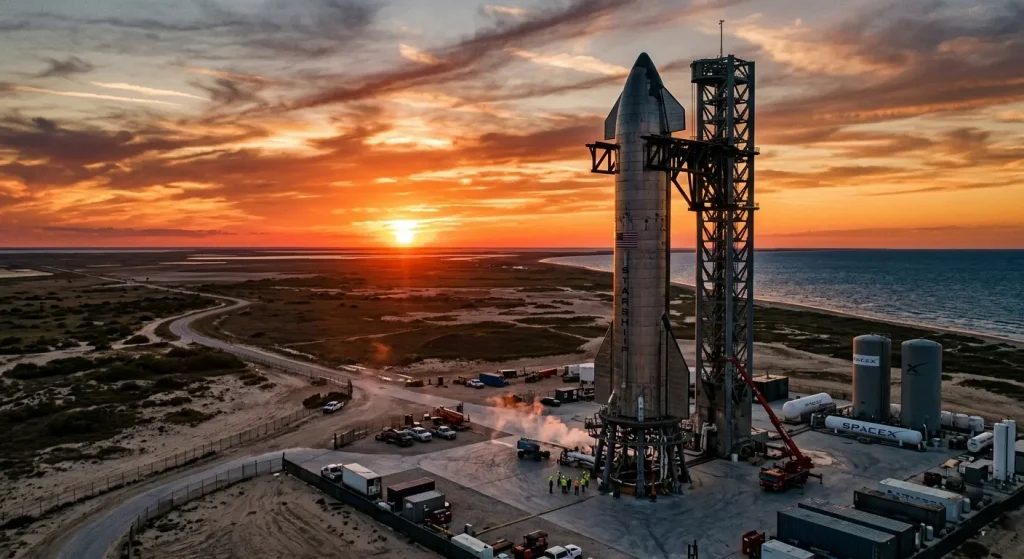
What Happens Next for SpaceX?
SpaceX engineers are expected to work closely with federal investigators to address technical findings and secure approval for future test flights. Historically, the company has moved quickly after setbacks, using rapid iteration and aggressive engineering timelines to improve launch systems.
Meanwhile, global competitors including Blue Origin and international space agencies continue accelerating their own lunar and deep-space ambitions.
Despite the grounding, many analysts remain optimistic about Starship’s long-term future. Aerospace experts often point out that early rocket development programs — including those during the Apollo era — experienced repeated failures before achieving historic breakthroughs.
The Bigger Picture
The FAA grounding may delay SpaceX’s short-term launch plans, but it also underscores the enormous complexity of building a fully reusable spacecraft capable of carrying humans beyond Earth.
For supporters, Starship remains one of the most ambitious engineering projects of the modern era. For critics, the latest pause is proof that commercial spaceflight still faces serious unanswered safety questions.
Either way, the outcome could shape the future of the global space race for decades to come.
#SpaceX #Starship #FAA #ElonMusk #MarsMission #NASA #SpaceExploration #RocketLaunch