

 By Vinod Ram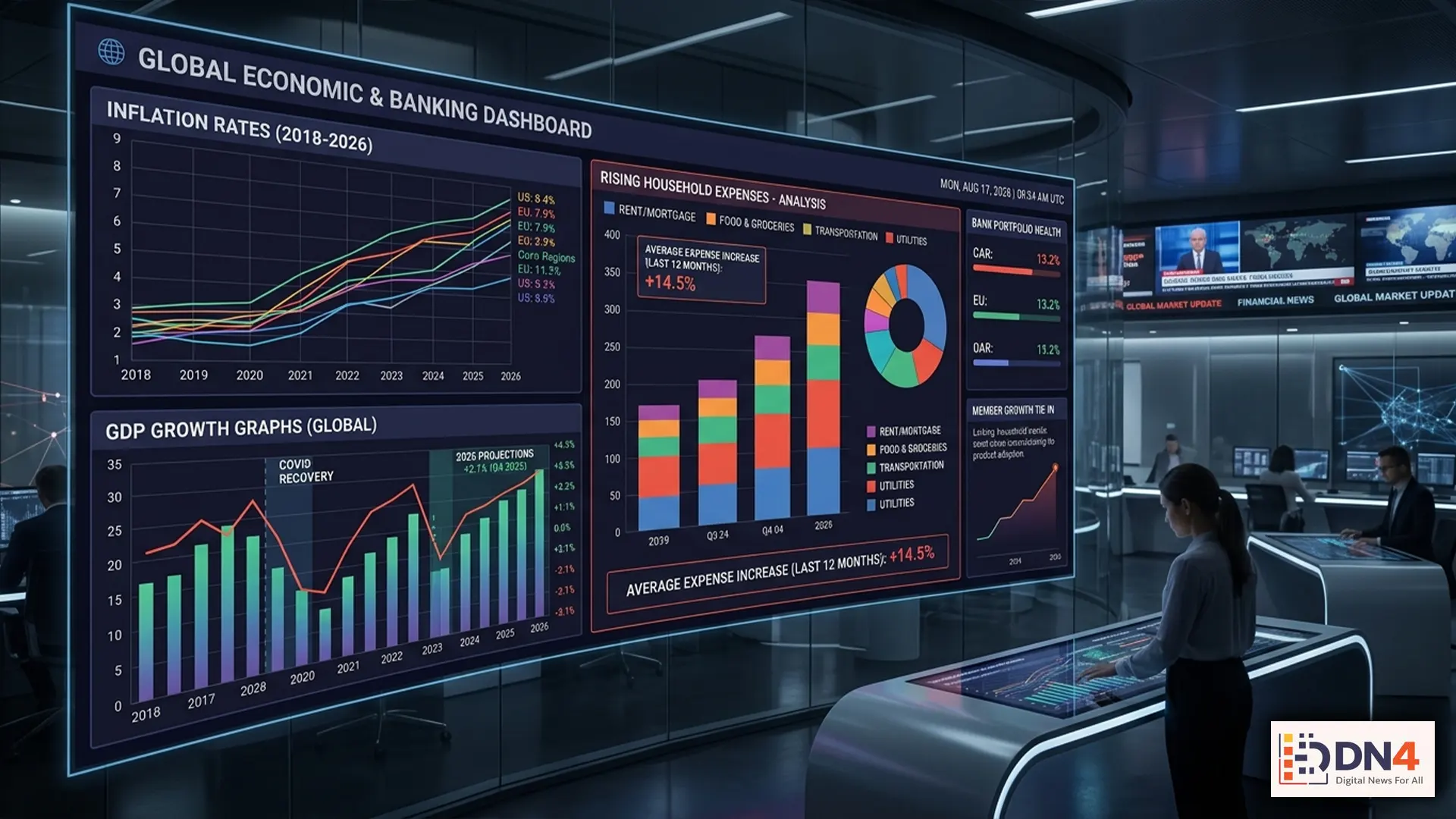
The latest global GDP figures for 2026 are painting a mixed picture for consumers, businesses, and investors alike. While several major economies are showing stronger-than-expected growth, inflation remains stubbornly high in critical sectors like housing, groceries, and energy.
According to recent economic projections from the International Monetary Fund (IMF), global growth is stabilizing after years of uncertainty caused by inflation shocks, geopolitical conflicts, and post-pandemic economic restructuring. But for everyday consumers, the real question is simple: what does this mean for your money?
Why GDP Matters to Your Wallet
Gross Domestic Product (GDP) measures the total value of goods and services produced within a country. Strong GDP growth often signals rising business activity, better job opportunities, and higher wages. However, rapid growth can also fuel inflation if consumer demand outpaces supply.
Central banks such as the U.S. Federal Reserve and the European Central Bank are closely monitoring these economic signals before making decisions on interest rates.
For households, this directly affects:
- Mortgage and loan rates
- Savings account returns
- Credit card interest
- Job market stability
- Everyday living costs

Inflation Is Cooling — But Slowly
While inflation has eased compared to previous years, prices are still significantly higher than pre-2020 levels. Reports from the World Bank suggest food and housing inflation continue to pressure middle-class households across the United States, Europe, and parts of Asia.
Energy markets also remain volatile due to ongoing geopolitical tensions and shifting renewable energy investments. Analysts at Goldman Sachs predict inflation could remain above central bank targets longer than expected.

Should Consumers Be Worried?
Not necessarily — but caution is still important. Economists say the 2026 economy is entering a “slow normalization” phase. Wage growth is improving in many industries, especially technology, healthcare, and finance, but high borrowing costs continue to reduce consumer purchasing power.
Financial experts recommend consumers focus on:
- Reducing high-interest debt
- Building emergency savings
- Monitoring variable loan rates
- Diversifying investments
Digital banking platforms and AI-driven budgeting tools are also becoming increasingly popular as households search for smarter ways to manage spending during uncertain economic conditions.
What Happens Next?
The second half of 2026 could determine whether the global economy achieves a “soft landing” or slips into slower growth. Investors are closely watching labor markets, consumer confidence, and future central bank announcements.
For now, the message from economists is clear: the economy may be stabilizing, but inflation is still reshaping how people save, spend, and invest.
#GDP2026 #Inflation #PersonalFinance #GlobalEconomy #InterestRates #EconomicNews #Banking #FinancialPlanning