

 By Vinod Ram
The artificial intelligence boom is no longer confined to Silicon Valley. Across the world, massive AI-powered data centers are rapidly appearing closer to residential communities, industrial zones, and suburban neighborhoods. From Texas to Ireland and Singapore to India, tech companies are racing to build the digital infrastructure needed to power the next generation of AI tools.
Companies like Microsoft, Google, Amazon Web Services, and NVIDIA are investing billions into hyperscale facilities designed to train and operate advanced AI systems.
Why AI Needs So Many Data Centers
Artificial intelligence models require enormous computing power. Every chatbot interaction, AI-generated image, and automated recommendation system relies on data centers packed with GPUs, cooling systems, and high-speed networking hardware.
According to research from McKinsey & Company, global demand for AI infrastructure is expected to grow dramatically over the next decade as businesses adopt generative AI tools across finance, healthcare, education, and cybersecurity.
These facilities are becoming the “factories” of the digital economy — processing massive amounts of information every second.
Why They’re Moving Closer to Communities
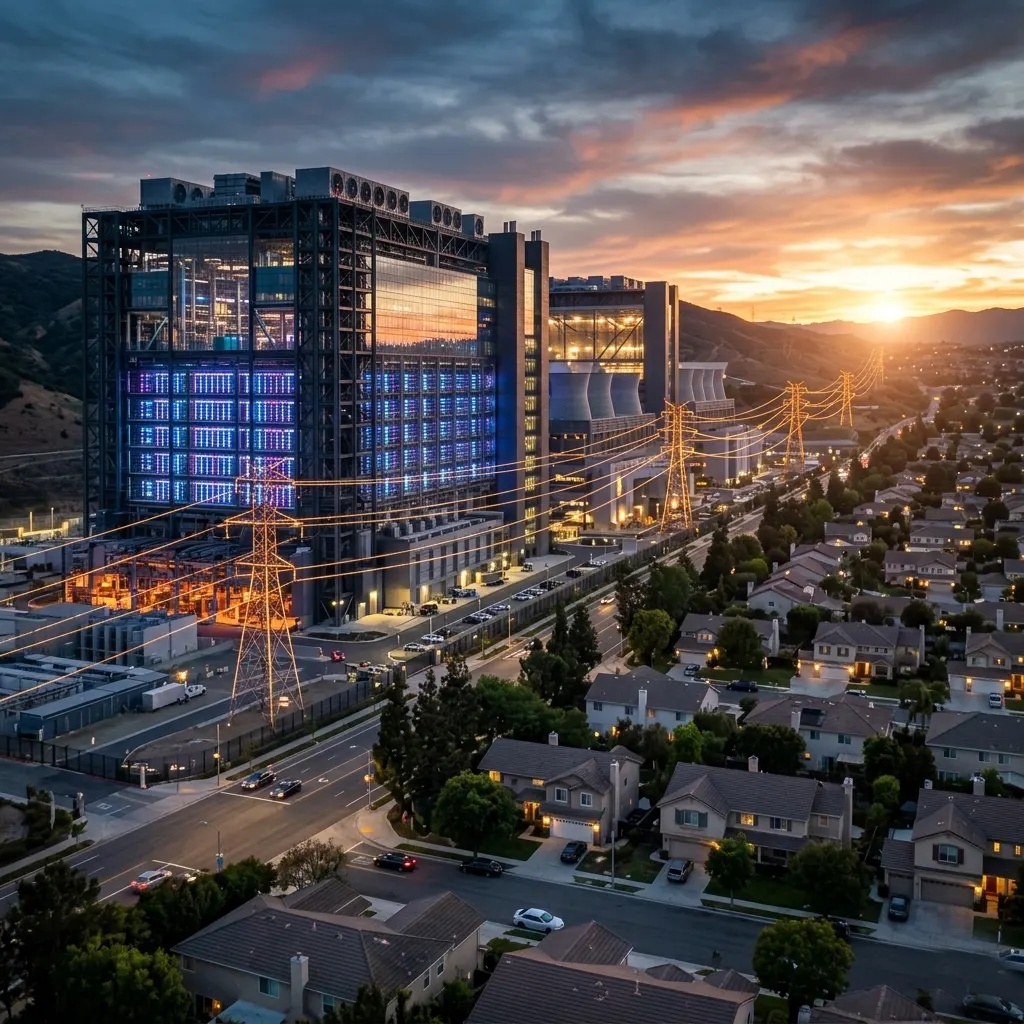
Traditionally, companies built data centers in remote industrial areas. But the explosion of cloud computing and AI services is pushing companies to move infrastructure closer to population hubs for faster internet speeds and lower latency.
Local governments are also competing aggressively to attract tech investments by offering tax incentives, land access, and renewable energy partnerships.
For some regions, the economic benefits are substantial:
- Construction and engineering jobs
- Higher local tax revenue
- Expansion of internet infrastructure
- Technology ecosystem growth
Reports from the International Energy Agency (IEA) suggest AI infrastructure spending could reshape regional economies much like manufacturing booms did decades ago.
But There’s Growing Concern
Not everyone is celebrating the AI expansion. Residents in several countries have raised concerns about energy usage, water consumption, and environmental impact.
Large AI facilities consume enormous amounts of electricity to power servers and cooling systems. Environmental experts warn that unchecked growth could strain local power grids and increase pressure on renewable energy resources.
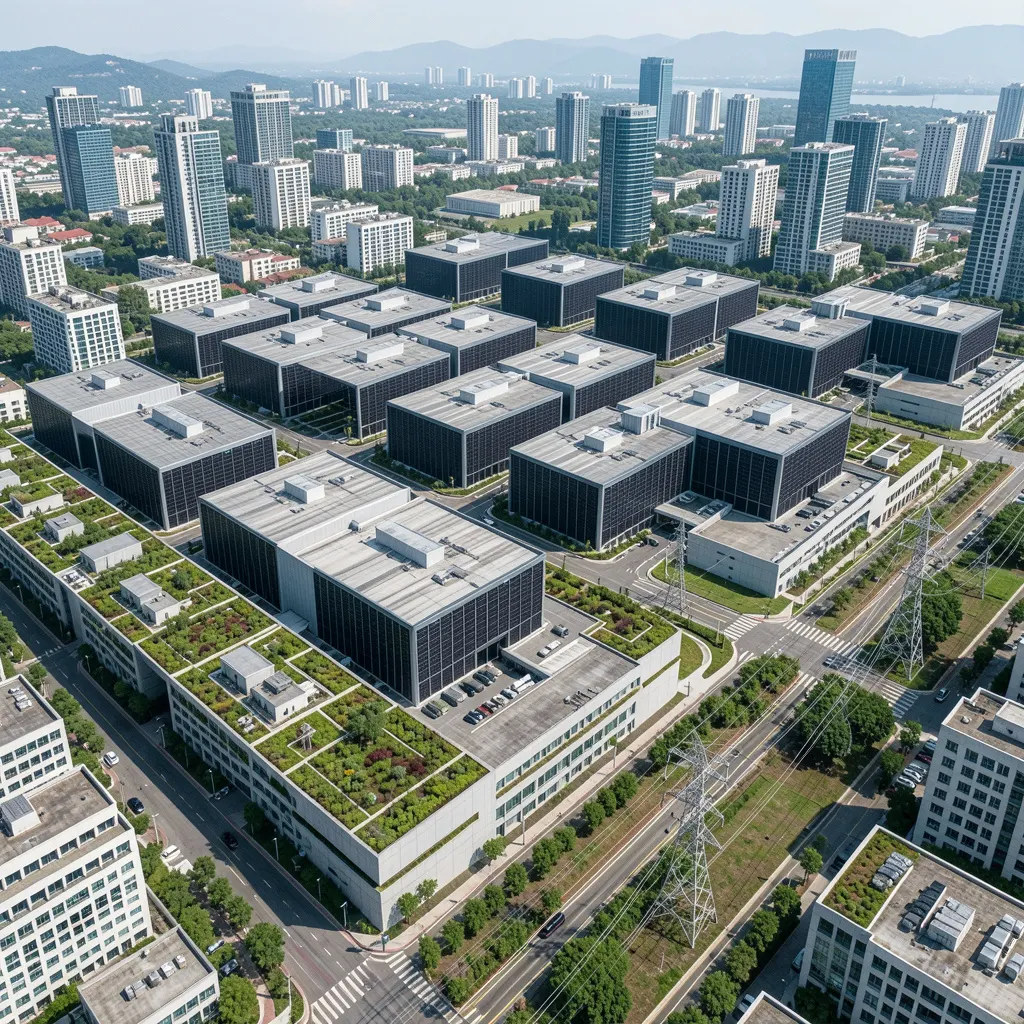
Some communities also worry about rising land prices and increased industrial development near residential areas.
The Future of the AI Infrastructure Race
Despite the concerns, the AI infrastructure race is accelerating. Analysts believe demand for cloud computing, AI assistants, autonomous systems, and real-time analytics will continue pushing tech giants toward even larger investments.
The result is a global transformation happening quietly behind the scenes: neighborhoods once known for warehouses or farmland are becoming critical hubs in the world’s AI economy.
As artificial intelligence becomes woven into daily life, the data centers powering it may soon become as common — and as essential — as highways, airports, and power stations.
#AI #DataCenters #ArtificialIntelligence #CloudComputing #NVIDIA #TechInfrastructure #FutureOfTech #DigitalEconomy