

 By Vinod Ram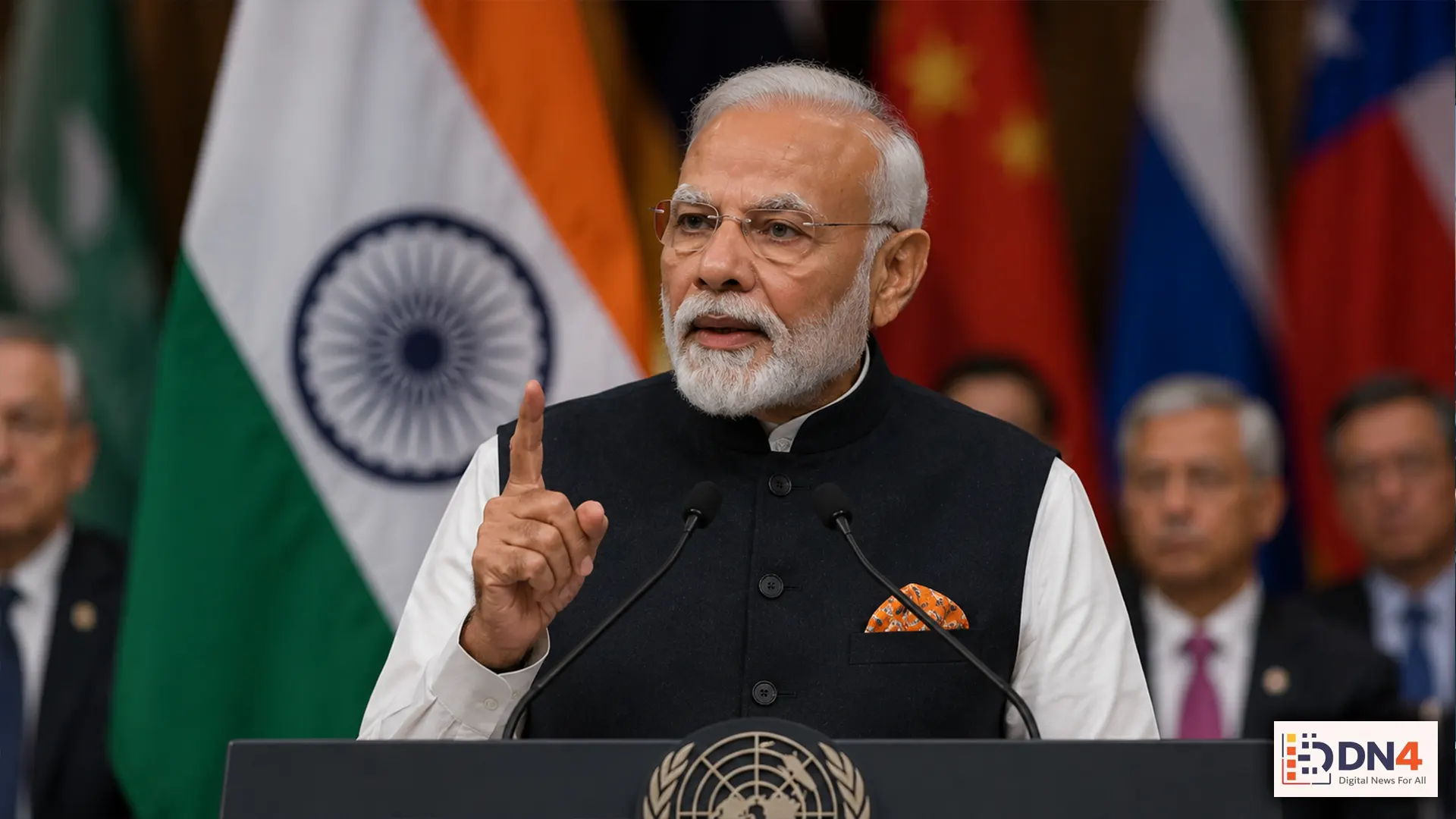
India’s global influence is entering a new era in 2026, and much of that transformation is being shaped by Prime Minister Narendra Modi’s evolving diplomatic strategy. Through a combination of cultural influence, economic partnerships, technology leadership, and geopolitical positioning, India is increasingly redefining what modern soft power looks like on the world stage.
As global power dynamics continue shifting, analysts believe India’s diplomatic rise is becoming one of the most significant geopolitical developments of the decade.
What Is Soft Power — and Why It Matters
Soft power refers to a nation’s ability to influence global affairs through attraction, culture, values, diplomacy, and economic cooperation rather than military force.
India’s soft power strategy has traditionally centered around:
- Yoga and wellness culture
- Bollywood and entertainment
- Democratic institutions
- Technology talent
- Diaspora influence
- Spiritual and cultural heritage
Under PM Modi’s leadership, however, India has expanded that influence into strategic technology partnerships, global infrastructure diplomacy, and international economic engagement.
India’s Global Diplomacy Is Expanding Fast
India’s growing role in global politics has become increasingly visible through its leadership in forums such as the G20, the United Nations, and the BRICS alliance.
India is also strengthening relationships with major global powers including the United States, France, Japan, the UAE, and Australia while maintaining strategic autonomy in a rapidly changing geopolitical environment.
According to analysis from Brookings Institution, India’s foreign policy increasingly reflects a balance between economic growth, national security, and global influence.
Technology and Digital Diplomacy
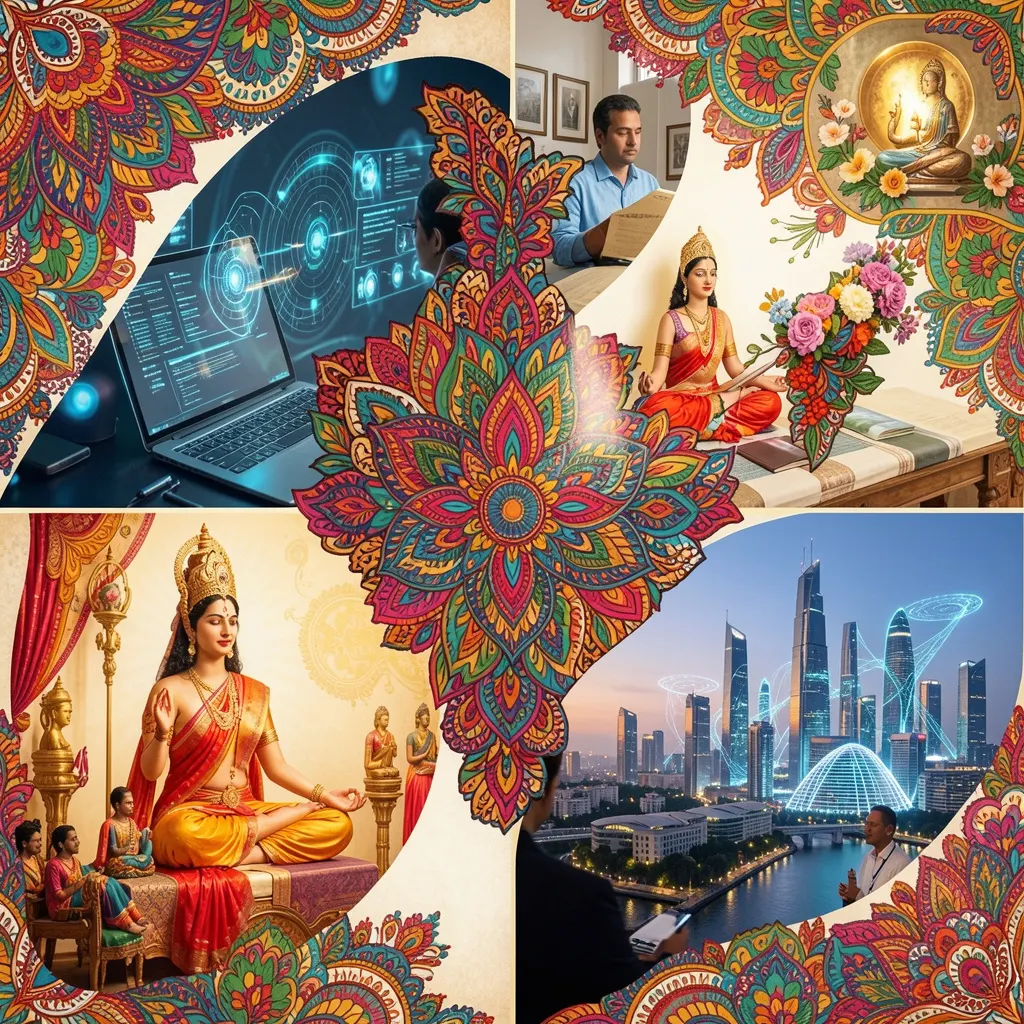
One of the biggest changes in India’s soft power strategy is the country’s growing reputation as a global technology and innovation hub.
India’s digital public infrastructure initiatives — including Aadhaar, UPI, and digital governance systems — are attracting international attention as models for scalable digital transformation.
Reports from World Economic Forum suggest India’s fintech and digital infrastructure ecosystem could become one of the most influential governance exports of the decade.
Technology partnerships with Silicon Valley companies and AI investments are also helping India strengthen its global economic image.
Cultural Influence Remains a Powerful Asset
India’s cultural diplomacy continues to play a major role in global engagement.
International Yoga Day, Indian cinema, cuisine, tourism, Ayurveda, and spiritual traditions have become increasingly mainstream across Western and Asian markets.
The global Indian diaspora — one of the largest in the world — also serves as a major soft power advantage by influencing business, politics, academia, and technology sectors worldwide.
India’s Strategic Balancing Act
India’s foreign policy approach in 2026 is particularly notable because of its strategic balancing between competing global blocs.
While deepening ties with Western economies, India has also maintained relationships with Russia, expanded trade in the Middle East, and increased engagement with developing nations across Africa and Southeast Asia.
Analysts at Center for Strategic and International Studies believe India’s multi-alignment strategy has strengthened its diplomatic flexibility in an increasingly polarized world.
Economic Growth Is Fueling Influence
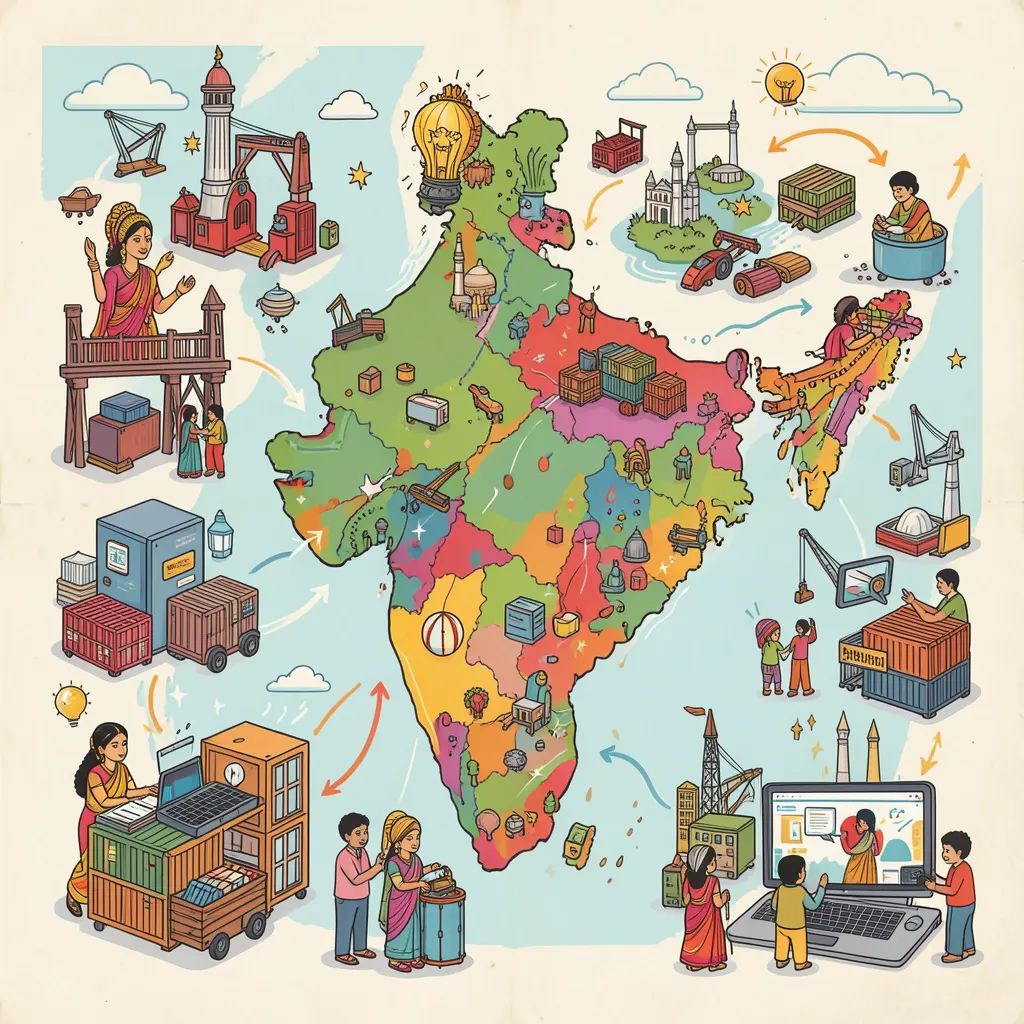
India’s rapidly growing economy is another major driver behind its expanding global role. As one of the world’s fastest-growing major economies, India is attracting foreign investment across:
- Technology and AI
- Manufacturing
- Defense production
- Renewable energy
- Semiconductors
- Digital infrastructure
Global firms increasingly view India not only as a large consumer market but also as a strategic long-term economic partner.
PM Modi’s diplomatic strategy reflects a broader effort to position India as both a cultural and economic superpower in the 21st century.
Rather than relying solely on traditional geopolitical influence, India is leveraging culture, technology, economic growth, and strategic diplomacy to expand its global footprint.
As 2026 unfolds, India’s evolving soft power model may become one of the defining international success stories of the modern era.
#PMModi #India2026 #SoftPower #IndianDiplomacy #GlobalPolitics #IndiaRising #Geopolitics #WorldNews