

 By Vinod Ram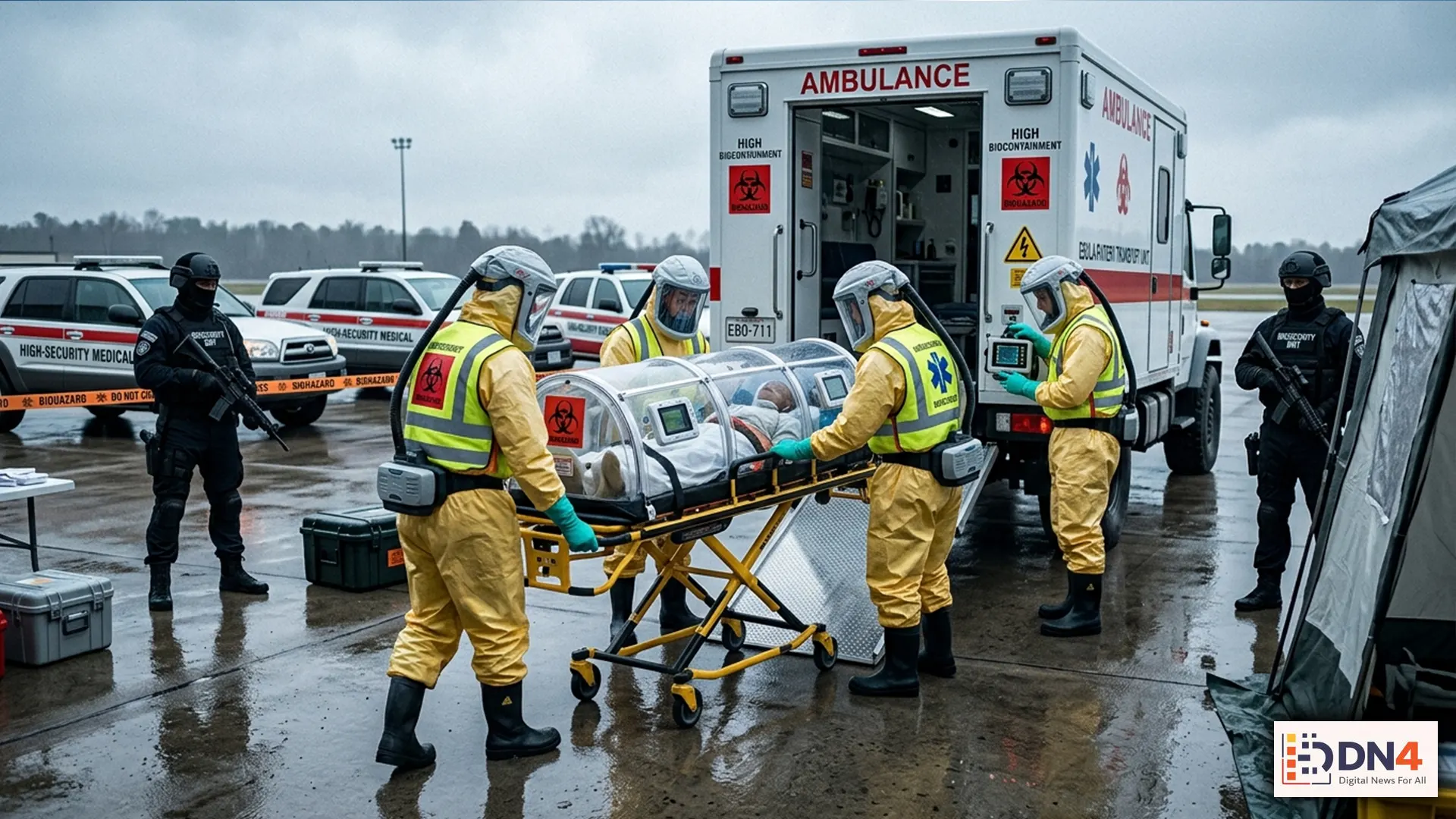
The international transfer of a missionary infected with Ebola has once again placed global health containment systems under intense public scrutiny. As health officials work to safely transport and isolate the patient, experts say the situation highlights both the progress and continuing vulnerabilities in global infectious disease preparedness.
While authorities emphasize that containment protocols are highly advanced compared to previous outbreaks, concerns surrounding international travel, hospital readiness, and public communication remain significant.
Why the Ebola Transfer Is Making Headlines
Ebola remains one of the world’s deadliest infectious diseases, with fatality rates historically ranging from 25% to 90% depending on the outbreak and healthcare response conditions.
According to the World Health Organization (WHO), Ebola spreads through direct contact with bodily fluids of infected individuals or contaminated materials.
The transfer of infected patients between countries often requires extraordinary medical precautions to prevent accidental exposure during transportation and treatment.
How Ebola Containment Protocols Work
Modern Ebola containment strategies rely on highly coordinated international health procedures designed to minimize transmission risk.
Containment typically includes:
- Specialized isolation transport systems
- Negative-pressure medical units
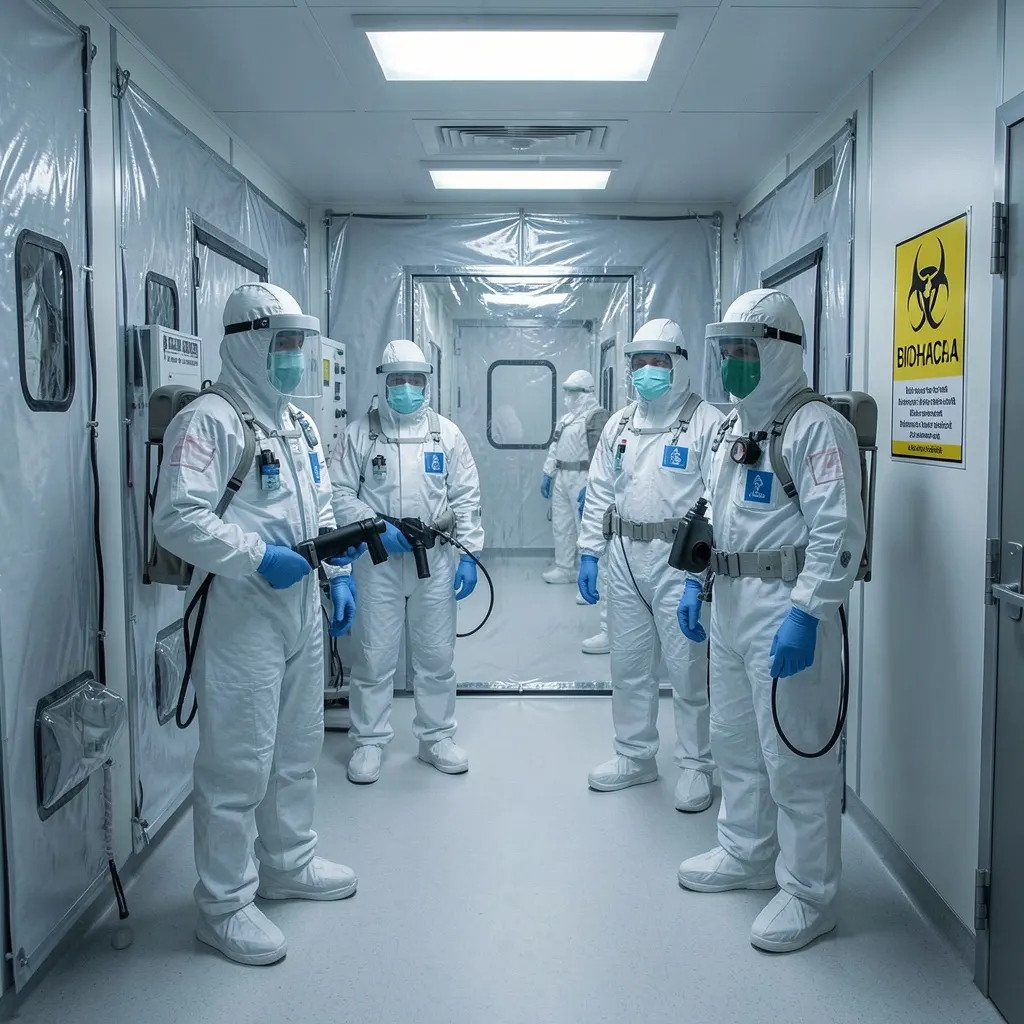
- Full-body protective equipment for healthcare workers
- Strict quarantine and monitoring procedures
- Rapid contact tracing efforts
Organizations like the Centers for Disease Control and Prevention (CDC) and international emergency response teams have developed advanced protocols based on lessons learned from earlier Ebola outbreaks.
Why Experts Say Risk to the Public Is Low
Public concern often rises whenever Ebola cases involve international travel. However, infectious disease specialists emphasize that Ebola is not airborne like influenza or COVID-19.
Transmission requires close physical contact with infected bodily fluids, which significantly limits widespread community transmission when proper containment measures are followed.
Health experts at Mayo Clinic note that modern hospital isolation systems and protective equipment dramatically reduce the likelihood of uncontrolled spread in advanced healthcare settings.
The Importance of Rapid Response
Speed remains one of the most critical factors in containing Ebola outbreaks. Rapid diagnosis, immediate isolation, and aggressive contact tracing are essential for preventing broader transmission.
Global health agencies increasingly rely on:
- Genomic sequencing technologies
- AI-powered outbreak tracking
- Cross-border emergency coordination
- Specialized infectious disease units
- Emergency vaccine deployment systems
Research supported by National Institutes of Health (NIH) has helped improve Ebola vaccines and treatment options in recent years.
Healthcare Workers Face Extreme Challenges
Medical teams handling Ebola patients operate under some of the strictest infection control conditions in healthcare.
Doctors, nurses, and emergency transport crews must follow precise protocols while wearing heavy protective equipment for extended periods.
Even minor procedural mistakes can create potential exposure risks, making training and preparation absolutely critical.

Global Health Systems Remain Under Pressure
The Ebola missionary transfer also raises broader questions about international outbreak readiness. Public health experts warn that while Ebola itself may be containable under proper protocols, healthcare systems worldwide continue facing staffing shortages and resource pressures.
Analysts from World Economic Forum believe future global health threats may require even stronger international coordination and investment in biosecurity infrastructure.
What the Public Should Understand
Health authorities continue stressing that panic is unnecessary when established containment systems are functioning correctly.
For the general public, the most important factors are:
- Trusting verified health information
- Avoiding misinformation online
- Following official health guidance
- Understanding how transmission occurs
- Supporting healthcare preparedness efforts
The Ebola missionary transfer serves as a reminder that infectious disease threats remain a global challenge — but it also demonstrates how far outbreak response systems have evolved over the past decade.
#AIRevolution #ArtificialIntelligence #Deloitte2026 #FutureOfWork #AIInvesting #DigitalEconomy #Fintech #TechNews