

 By Vinod Ram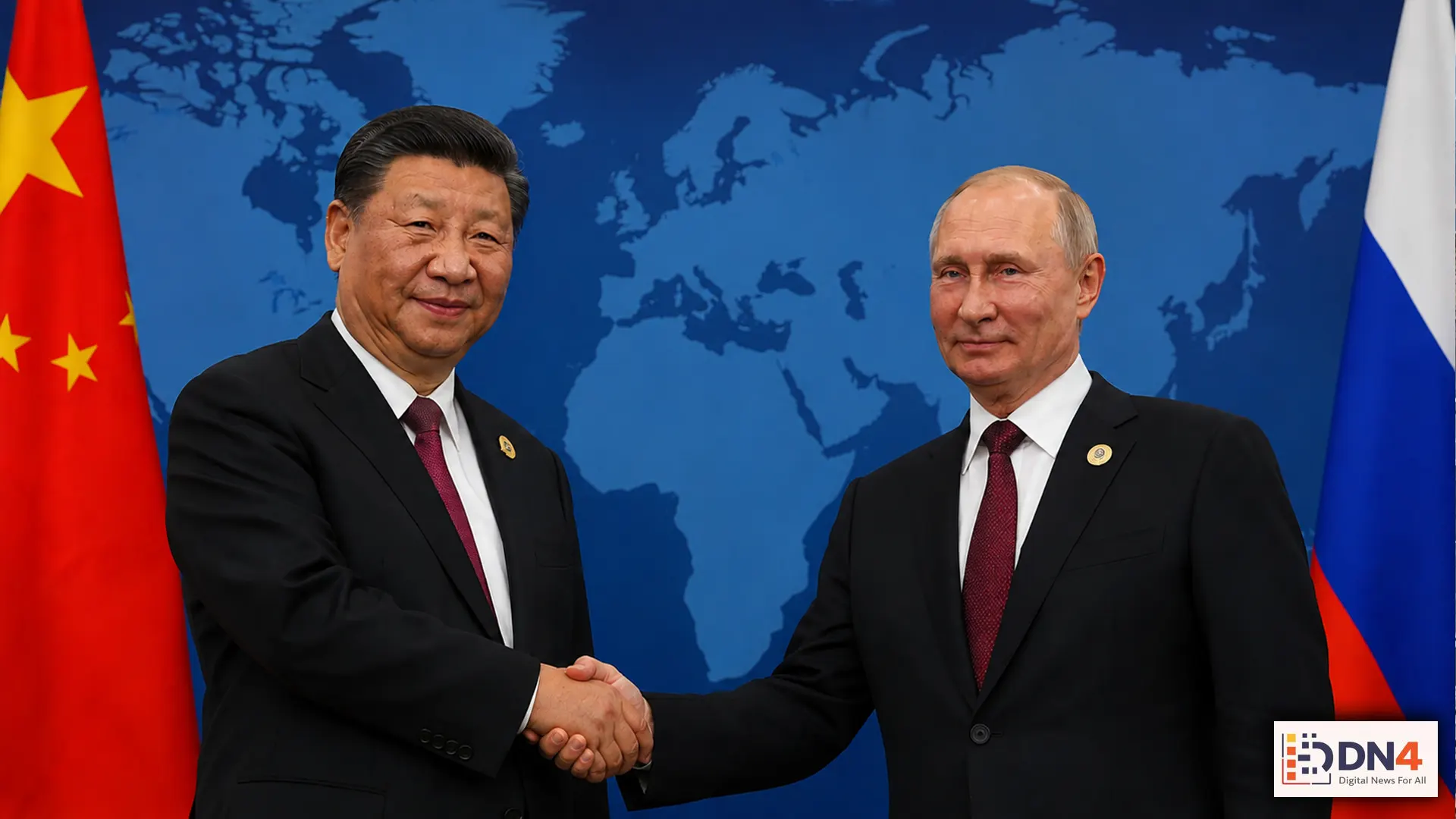
The growing strategic partnership between Chinese President Xi Jinping and Russian President Vladimir Putin is rapidly reshaping global geopolitics in 2026. What was once viewed as a tactical relationship has increasingly evolved into a broader alliance challenging Western influence and questioning the long-standing dominance of the United States on the world stage.
As tensions between global powers intensify, political analysts and economists are debating whether the international order is entering a historic transition toward a more multipolar world.
The Strengthening China-Russia Partnership
China and Russia have significantly expanded cooperation across energy, military strategy, technology, trade, and diplomacy over the past several years.
Both nations frequently criticize what they describe as excessive Western influence in global institutions and international affairs.
According to reports from Reuters, Xi and Putin have repeatedly described their relationship as having “no limits” while emphasizing shared strategic interests against Western pressure.
Why the Alliance Matters Globally
The partnership between Beijing and Moscow is important because both countries possess enormous geopolitical influence.
China is the world’s second-largest economy and a major technology and manufacturing power, while Russia remains one of the world’s largest military and energy exporters.
Together, the two nations are increasingly coordinating on:
- Energy and trade agreements
- Military exercises
- Alternative financial systems
- Strategic diplomacy
- Global governance initiatives
Analysts at Center for Strategic and International Studies (CSIS) believe the partnership represents one of the most significant geopolitical alignments of the modern era.
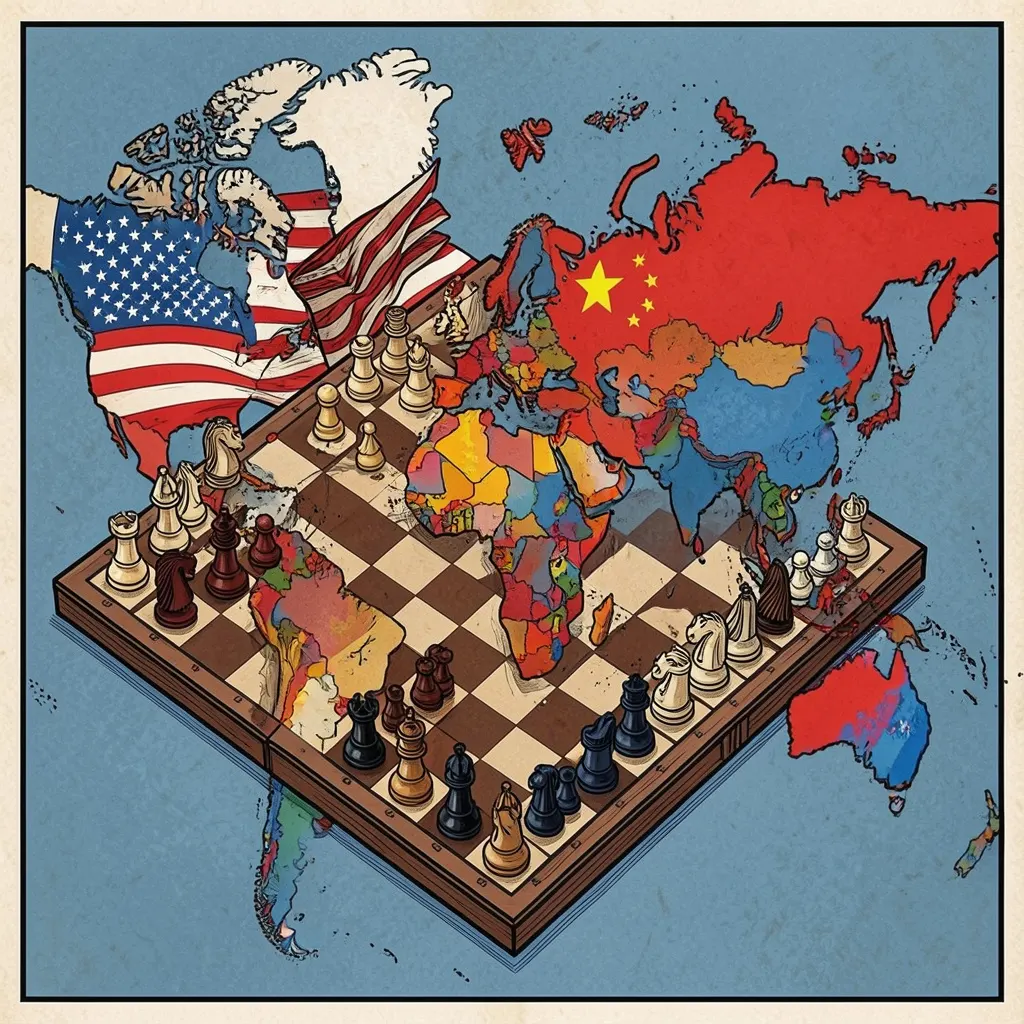
Is US Global Dominance Weakening?
For decades, the United States has remained the world’s dominant military, financial, and technological superpower. However, rising geopolitical competition is increasing pressure on the US-led global order.
Critics argue America’s influence is being challenged by:
- China’s economic expansion
- Russia’s strategic military positioning
- Growing BRICS cooperation
- Alternative trade and payment systems
- Regional conflicts and political polarization
Research from Brookings Institution suggests the global balance of power is becoming increasingly fragmented as emerging economies gain influence.
The Role of BRICS and Global South Nations
China and Russia are also strengthening ties with developing economies through organizations such as BRICS.
Many countries across Asia, Africa, Latin America, and the Middle East are seeking more flexible geopolitical relationships rather than aligning exclusively with either Washington or Beijing.
This shift has accelerated discussions about a “multipolar world” where global influence is distributed among several major powers instead of dominated by a single superpower.
Economic Competition Is Intensifying
The geopolitical rivalry is increasingly tied to economics and technology.
The United States continues restricting certain advanced technology exports to China while investing heavily in domestic semiconductor and AI industries.
Meanwhile, China and Russia are expanding trade cooperation in local currencies while reducing dependence on Western financial systems.
Reports from International Monetary Fund (IMF) indicate that global economic fragmentation could become one of the defining financial risks of the decade.
Military and Security Concerns
Security experts are also closely watching military cooperation between China and Russia.
Joint military exercises and strategic coordination have increased amid rising tensions involving NATO, Taiwan, Ukraine, and Indo-Pacific security issues.
Analysts at RAND Corporation warn that geopolitical competition between major powers may remain elevated throughout the decade.
Can the US Still Maintain Leadership?
Despite growing competition, the United States still maintains major advantages in military alliances, financial markets, higher education, technological innovation, and global reserve currency dominance.
Companies such as Apple, Microsoft, NVIDIA, and other American technology leaders continue shaping much of the global digital economy.
However, the rise of competing global power centers is forcing Washington to adapt to a rapidly changing geopolitical environment.
The Xi-Putin alliance reflects a broader transformation happening across global politics, economics, and technology.
Rather than a simple Cold War-style rivalry, the world may be entering a more complex era where multiple powers compete simultaneously for influence, trade, technology leadership, and strategic alliances.
Whether the United States is truly losing global hegemony remains debated. But one thing is increasingly clear: the geopolitical order of the 21st century is evolving faster than many expected.
#XiJinping #Putin #Geopolitics #USChina #RussiaChina #GlobalPolitics #WorldOrder #BRICS