

 By Vinod Ram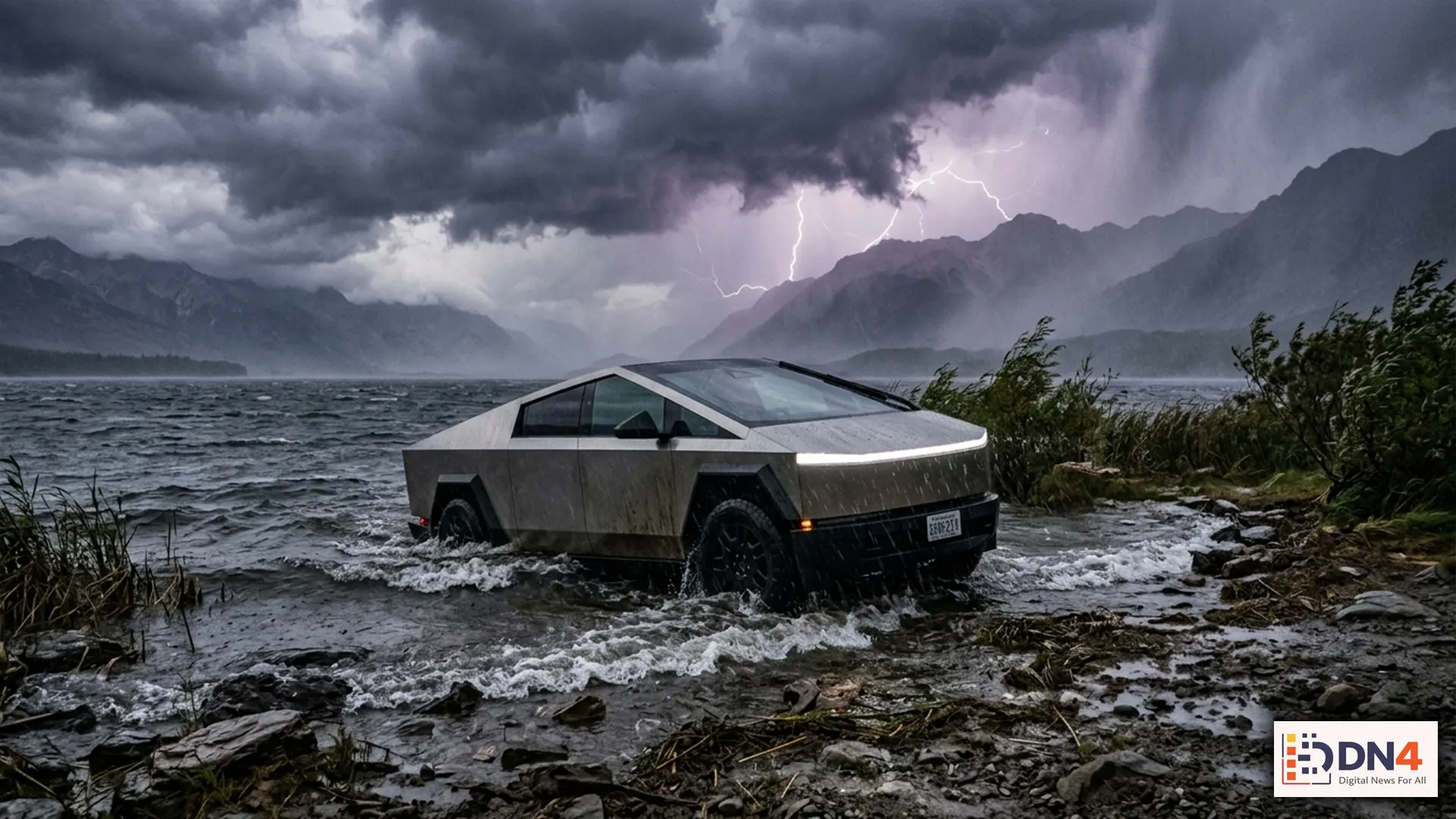
Tesla’s futuristic Cybertruck was designed to symbolize the future of rugged electric transportation. But after a highly publicized “Lake Fail” incident involving a Cybertruck becoming stranded in deep water, questions about electric vehicle durability and real-world reliability are once again dominating online discussions.
While electric vehicles continue growing in popularity worldwide, the incident has sparked broader conversations about how EVs perform under extreme conditions — and whether consumers fully understand the limitations of next-generation vehicle technology.
What Happened During the Cybertruck Incident?
The so-called “Lake Fail” quickly spread across social media after footage appeared showing a Tesla Cybertruck struggling during a water-related off-road situation.
Although details surrounding the incident vary across online reports, the viral reaction reflects growing public scrutiny around Tesla’s bold marketing claims regarding durability and performance.
Electric vehicle incidents often receive massive attention because EV technology remains relatively new compared to traditional gasoline-powered trucks and SUVs.
Can Electric Vehicles Handle Extreme Conditions?
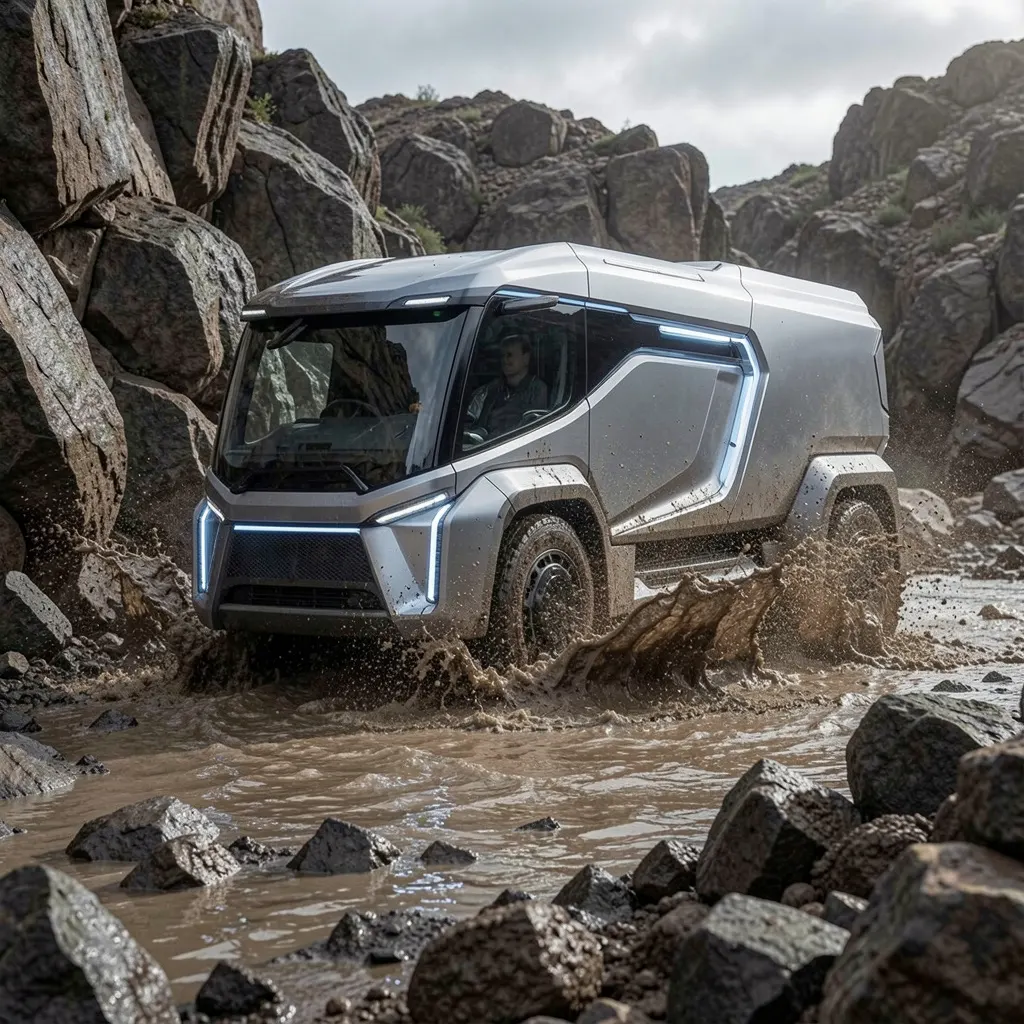
Modern electric vehicles are generally designed with strong weather protection and advanced battery shielding systems. However, extreme environments involving deep water, severe cold, or rugged off-road terrain can still create challenges.
Automakers including Tesla, Rivian, and Ford have invested heavily in improving EV durability and waterproofing technologies.
Still, experts warn that consumers sometimes overestimate the capabilities of highly advanced vehicles based on marketing demonstrations and viral social media content.
Why EV Reliability Matters More Than Ever
The electric vehicle market is becoming increasingly competitive as automakers race to dominate the future of transportation.
Consumers now expect EVs to deliver:
- Long battery range
- Fast charging capabilities
- Strong towing performance
- Off-road durability
- Reliable software systems
- All-weather performance
Reports from Consumer Reports indicate that software integration and manufacturing consistency remain major reliability concerns across parts of the EV industry.
The Cybertruck Was Built for Toughness
Tesla originally promoted the Cybertruck as an ultra-durable electric pickup featuring stainless steel construction, advanced engineering, and off-road capabilities.
The vehicle’s bold futuristic design helped generate enormous global attention, turning the Cybertruck into one of the most recognizable EV launches in recent years.
However, high expectations also create greater public scrutiny whenever problems emerge.
Social Media Amplifies Every EV Incident
One reason EV controversies spread so rapidly is the role of social media. Viral videos, memes, and online debates can quickly shape public perception of vehicle reliability — sometimes before full facts are even confirmed.
Platforms like YouTube, X, and TikTok have become major drivers of automotive consumer opinion.
Industry analysts at Gartner note that consumer trust and brand reputation are becoming increasingly influenced by online viral moments.
Are EVs Less Reliable Than Gas Vehicles?
The answer is more complicated than many headlines suggest.
Electric vehicles often have fewer moving mechanical parts than gasoline-powered vehicles, which can reduce certain types of maintenance needs. However, EVs also rely heavily on software, battery systems, sensors, and electronics that introduce different reliability challenges.
Battery performance, charging infrastructure, software updates, and repair availability remain important concerns for some buyers.
The Bigger Issue: Consumer Expectations
The Cybertruck incident ultimately highlights a larger issue facing the EV industry: balancing futuristic marketing with real-world performance expectations.
As electric trucks become more mainstream, consumers are increasingly testing them in demanding situations traditionally associated with gasoline-powered off-road vehicles.
Manufacturers may need to communicate vehicle limitations more clearly while continuing to improve durability and infrastructure support.
The Future of EV Reliability
Despite occasional setbacks and viral controversies, electric vehicle adoption continues expanding rapidly worldwide.
Automakers are investing billions into battery improvements, charging networks, AI-powered diagnostics, and next-generation vehicle engineering.
The Cybertruck “Lake Fail” may become just another learning moment in the evolution of EV technology — but it also serves as a reminder that innovation alone does not eliminate the importance of reliability, safety, and consumer trust.
#Tesla #Cybertruck #ElectricVehicles #EVNews #TeslaCybertruck #EVReliability #FutureOfTransport #TechNews