

 By Vinod Ram
A leaked internal audio recording allegedly connected to Meta has triggered a wave of debate across the technology industry, reigniting concerns about artificial intelligence and the future of white-collar jobs.
The controversy centers around growing fears that employees working alongside AI systems may ultimately be helping train the very technologies that could one day replace them.
As automation accelerates across Silicon Valley, the Meta leak has become symbolic of a broader anxiety spreading throughout the global workforce in 2026.
What Is the Meta Audio Leak About?
Reports circulating online claim the leaked audio captured internal discussions related to AI development, workforce efficiency, and long-term automation strategies.
While the full context of the recording remains debated, the incident has intensified public scrutiny around how major technology companies are integrating artificial intelligence into daily operations.
Meta, the parent company of Facebook, Instagram, and WhatsApp, has invested aggressively in AI infrastructure, large language models, and automation technologies.
According to The Verge, major tech firms are rapidly restructuring around AI-driven productivity systems.
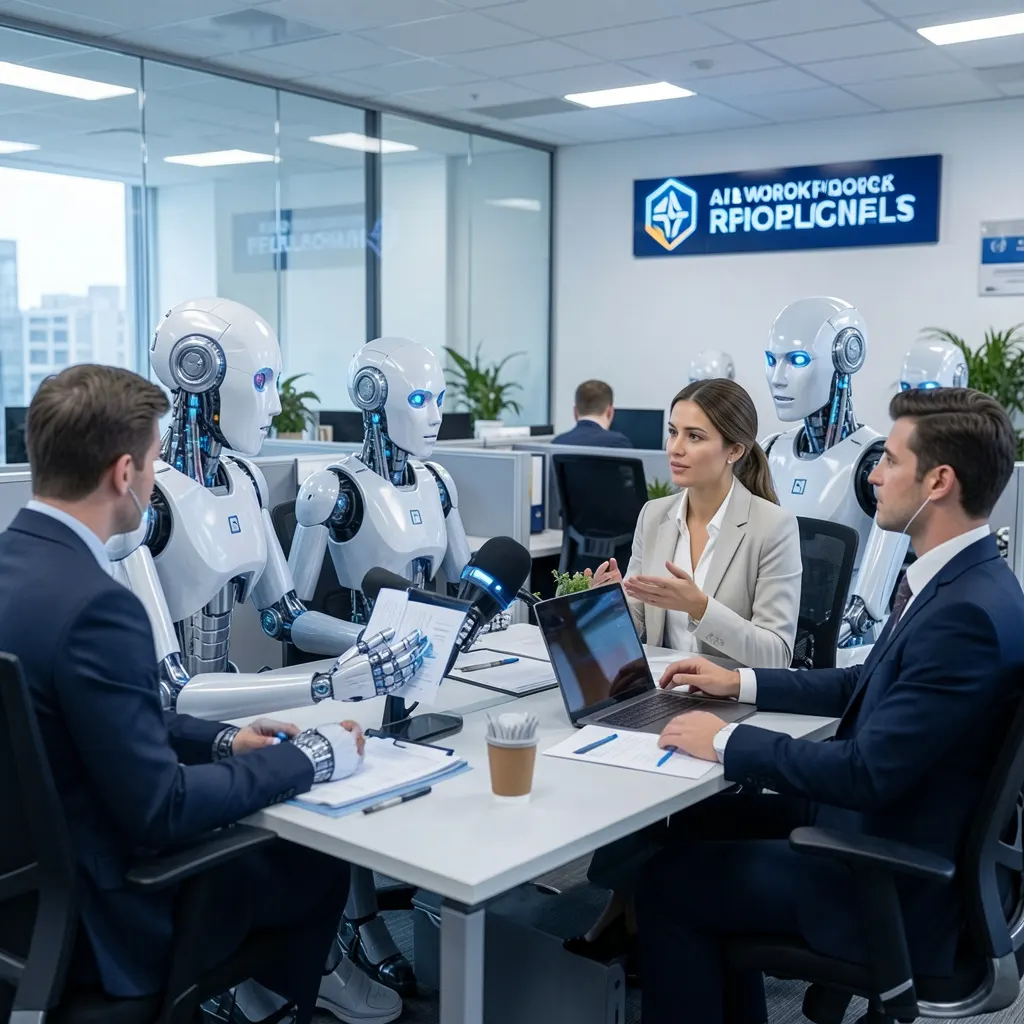
Why Workers Are Worried
One of the biggest concerns surrounding generative AI is the possibility that employees are unknowingly helping train systems that may later reduce the need for human labor.
AI systems improve by learning from human interactions, workflows, communication patterns, and problem-solving behavior.
Workers across industries increasingly fear that:
- AI tools could automate knowledge-based tasks
- Companies may reduce staffing costs
- Entry-level tech jobs could disappear
- Creative and administrative roles may shrink
- Productivity expectations could intensify
Research from McKinsey & Company suggests automation could significantly reshape millions of jobs globally over the next decade.
Meta’s Massive AI Push
Meta has become one of the leading companies in the global AI race, competing directly with OpenAI, Google, Microsoft, and other major technology firms.
The company is investing heavily in:
- Large language models
- AI assistants
- Recommendation algorithms
- Content generation systems
- Virtual and augmented reality technologies
CEO Meta leadership has repeatedly emphasized AI as central to the company’s long-term future.
Tech Layoffs and AI Anxiety
The leaked audio controversy arrives during a period of ongoing workforce uncertainty across the tech sector.
In recent years, major technology companies have implemented large-scale layoffs while simultaneously increasing AI investments.
This has created a growing perception that automation and workforce reductions may become increasingly connected.
Analysts at Gartner believe AI will fundamentally reshape workplace structures, productivity expectations, and job roles throughout the next decade.
Could AI Replace White-Collar Jobs?
Unlike previous waves of automation focused mainly on manufacturing, modern AI systems are increasingly capable of performing cognitive and creative tasks once considered uniquely human.
Generative AI can already assist with:
- Writing and content creation
- Customer support
- Programming assistance
- Data analysis
- Marketing workflows
- Administrative tasks
However, many experts argue that AI is more likely to transform jobs rather than eliminate all human roles entirely.

The Ethical Debate Around AI Training
The Meta leak also raises deeper ethical questions about transparency in AI development.
Critics argue employees should better understand how their work contributions, internal communications, and workflow data may be used to improve AI systems.
Organizations such as the Electronic Frontier Foundation continue pushing for stronger accountability and transparency standards surrounding artificial intelligence development.
The Future of Human Work
The rise of AI is forcing businesses, governments, and workers to rethink the future of employment itself.
While AI could improve productivity and create entirely new industries, it may also disrupt traditional career paths across technology, finance, media, healthcare, and education.
Experts increasingly believe adaptability, digital skills, and human creativity will become even more valuable in the AI economy.
The Meta leaked audio controversy is about more than one company or one recording.
It reflects a growing global tension between technological progress and workforce stability.
As AI systems become more capable, the question facing millions of workers is no longer whether automation is coming — but how quickly businesses will integrate it into everyday operations.
In the race to build smarter machines, employees everywhere are beginning to wonder whether they are also training their own replacements.
#Meta #ArtificialIntelligence #AIJobs #TechLayoffs #FutureOfWork #Automation #AIWorkforce #TechNews