

 By Vinod Ram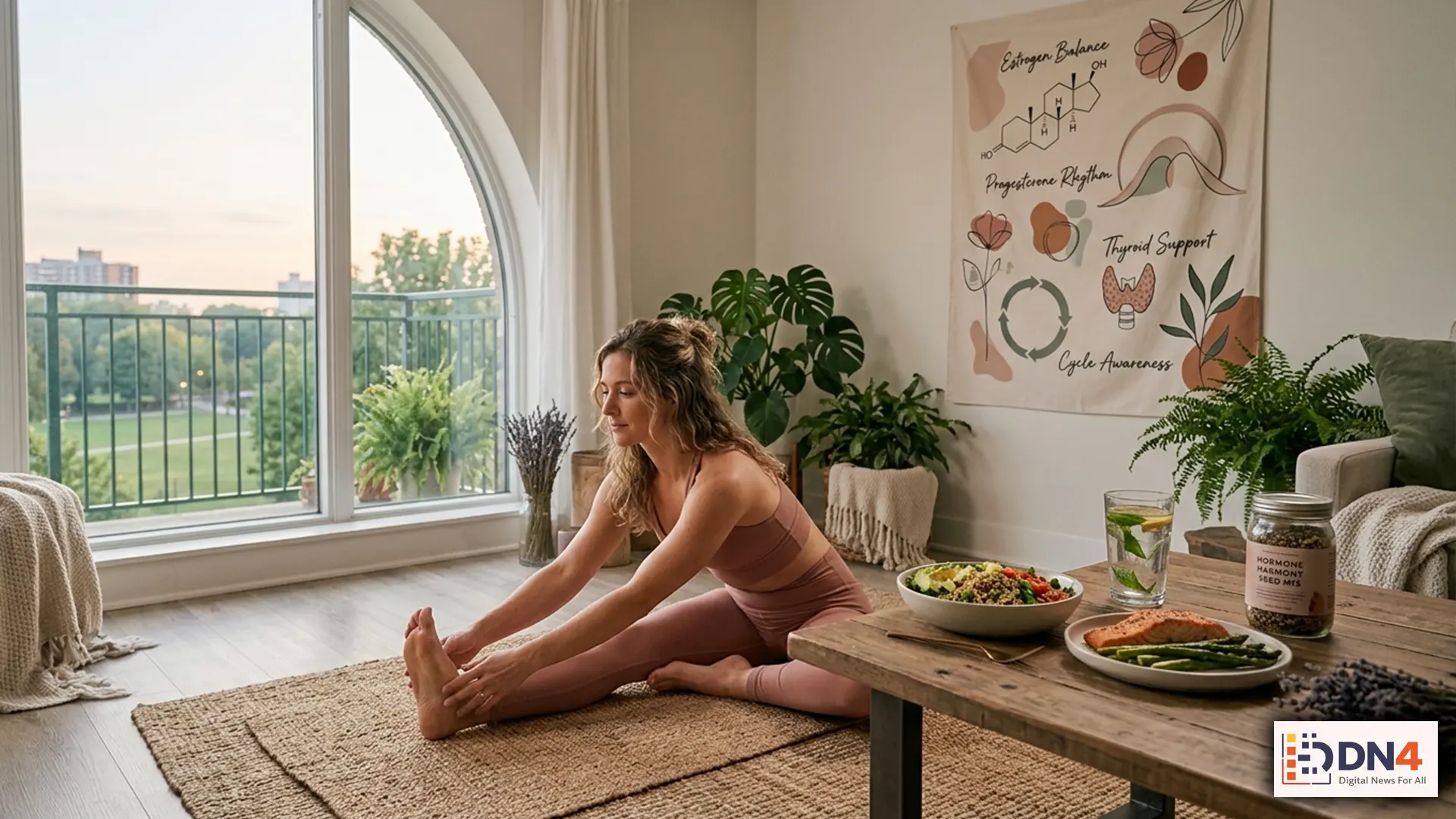
Polycystic Ovary Syndrome (PCOS) continues to affect millions of women worldwide, but in 2026, conversations around hormonal health are shifting dramatically. Instead of focusing solely on symptoms and prescriptions, more women are embracing holistic approaches that prioritize long-term wellness, mental health, nutrition, and lifestyle balance.
According to organizations like World Health Organization and women’s health researchers globally, hormonal disorders are increasingly being viewed through a whole-body health perspective rather than isolated medical conditions.
The Rise of Personalized Hormonal Wellness
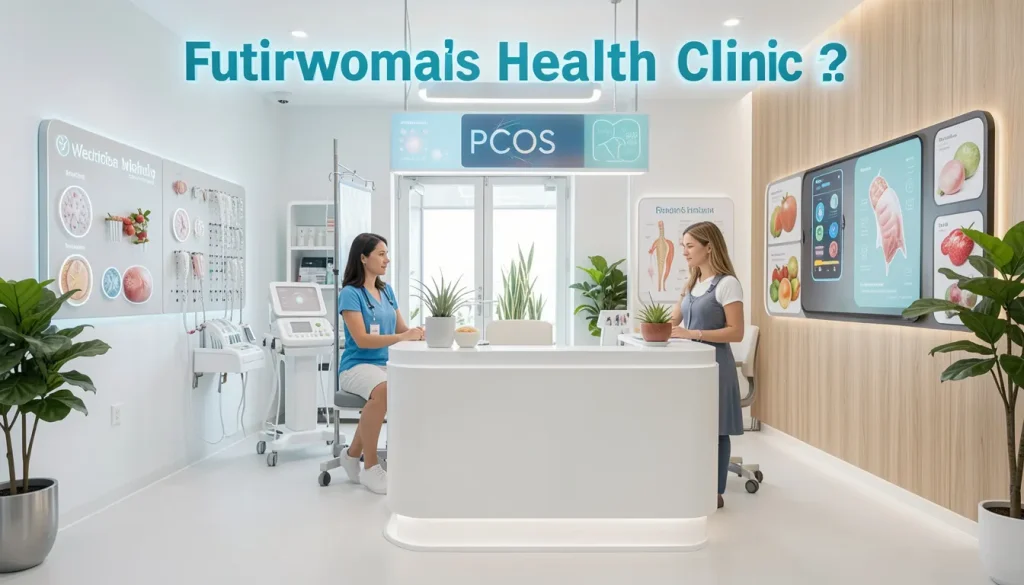
One of the biggest wellness trends of 2026 is personalized hormone care. Instead of generalized treatment plans, women are turning to data-driven approaches that combine lab testing, wearable health technology, and customized nutrition plans.
Health platforms such as Fitbit and modern wellness apps are helping users monitor sleep, stress, menstrual cycles, and metabolic health more accurately than ever before.
Experts now recognize that PCOS symptoms can vary dramatically between individuals. Some struggle with insulin resistance, while others experience inflammation, anxiety, irregular cycles, or chronic fatigue. Personalized wellness plans aim to address these root causes rather than simply masking symptoms.
Gut Health and Hormonal Balance
Another major trend reshaping PCOS care is the growing connection between gut health and hormone regulation. Nutritionists and wellness researchers increasingly believe that inflammation and gut microbiome imbalances can directly affect hormonal stability.
Publications from Healthline and nutritional experts emphasize anti-inflammatory foods, probiotic-rich diets, and blood sugar management as important strategies for women dealing with hormonal imbalances.
In 2026, many women are prioritizing:
- High-fiber whole foods
- Protein-focused meals
- Reduced processed sugar intake
- Gut-friendly probiotics
- Hydration and stress management
Rather than following extreme diet culture trends, the focus has shifted toward sustainable lifestyle habits that support hormonal stability over time.
Mental Health Is Finally Part of the Conversation
For years, emotional symptoms associated with PCOS were often overlooked. Today, mental health support has become a central part of holistic hormonal care.
Studies shared by organizations like National Institute of Mental Health continue to explore links between hormonal disorders, anxiety, mood changes, and chronic stress.
As a result, mindfulness practices such as meditation, therapy, yoga, and nervous system regulation exercises are becoming integrated into PCOS wellness plans. Wellness experts now recognize that chronic stress can worsen inflammation and hormonal imbalances.
Fitness Trends Are Becoming More Hormone-Friendly
Traditional “high-intensity only” fitness advice is also being challenged in 2026. Many wellness professionals now recommend hormone-supportive movement routines that focus on recovery and consistency rather than exhaustion.
Low-impact strength training, walking, Pilates, yoga, and mobility exercises are gaining popularity among women seeking sustainable hormonal health improvements.
Fitness creators across platforms like YouTube and wellness communities online are helping normalize slower, recovery-centered fitness approaches that prioritize long-term health instead of rapid transformation.
A More Empowering Future for Women’s Health
The future of PCOS management is becoming more holistic, informed, and empowering. Women are no longer accepting one-size-fits-all solutions. Instead, they are seeking balanced approaches that combine medical science with nutrition, mental wellness, movement, and self-awareness.
While there is still no universal cure for PCOS, the 2026 wellness movement reflects a broader cultural shift: women are demanding healthcare conversations that treat the entire person—not just the diagnosis.
#PCOS #HormonalHealth #WomenWellness #HolisticHealth #PCOSAwareness #HormoneBalance #WellnessTrends2026 #MentalHealth #HealthyLifestyle