

 By Vinod Ram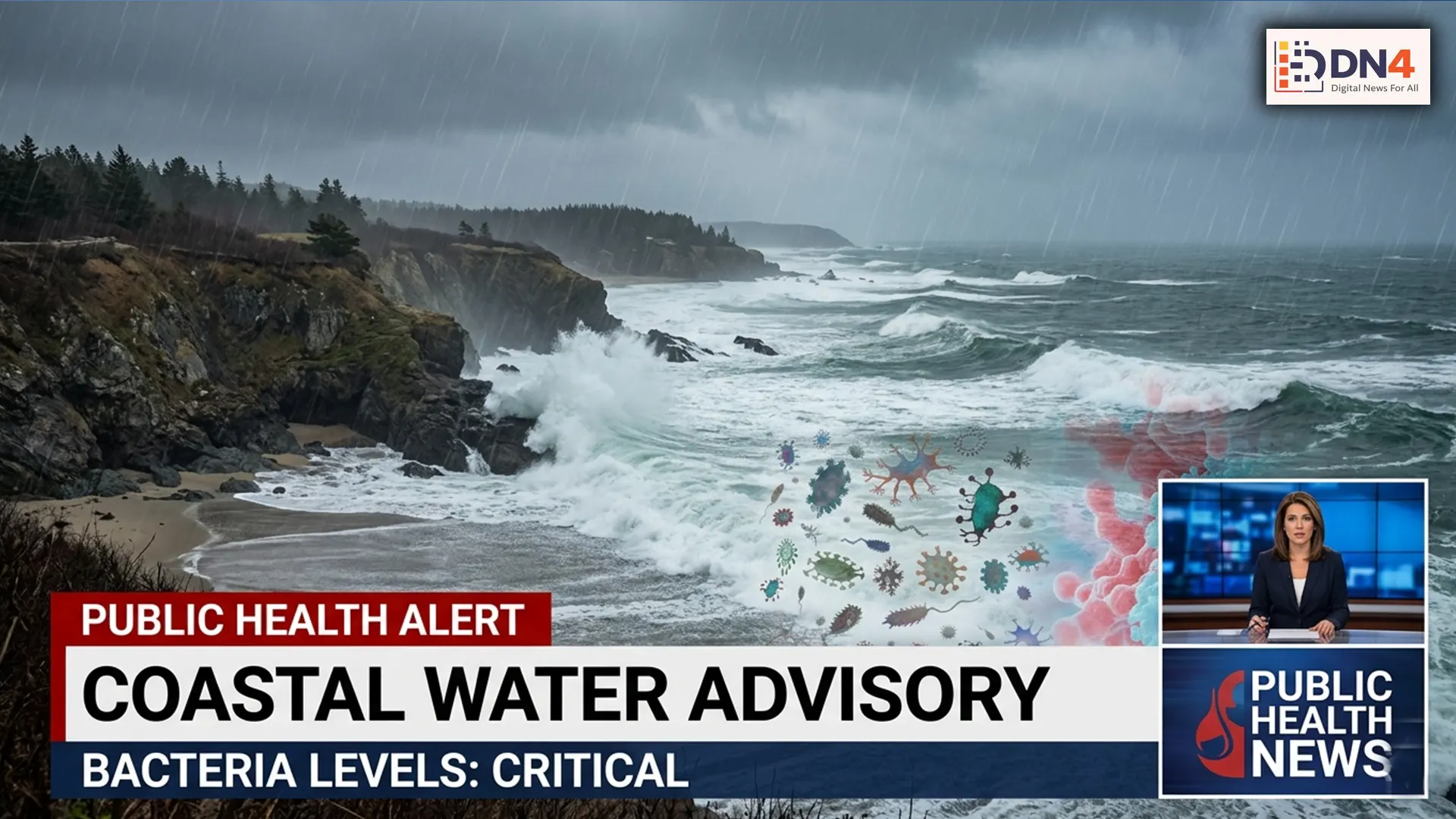
A growing public health concern is emerging along the US East Coast as scientists and health officials closely monitor the spread of dangerous marine bacteria linked to severe infections and, in rare cases, death. Experts warn that warming ocean temperatures and shifting environmental conditions may be helping these microorganisms expand into areas where they were previously uncommon.
The bacterium attracting the most attention is Vibrio vulnificus, sometimes referred to in media reports as a “flesh-eating bacteria” because of the serious infections it can cause when entering open wounds or contaminating seafood. While infections remain relatively rare, health agencies are increasingly concerned about the changing geographic spread of these bacteria.
What Exactly Is Vibrio vulnificus?
According to the Centers for Disease Control and Prevention (CDC), Vibrio vulnificus naturally lives in warm coastal waters and can infect humans through exposure to contaminated seawater or consumption of raw or undercooked shellfish, particularly oysters.
Most healthy individuals exposed to the bacterium experience mild symptoms or no illness at all. However, infections can become extremely dangerous for people with weakened immune systems, chronic liver disease, diabetes, or open wounds exposed to contaminated water.
- Symptoms may include fever, vomiting, diarrhea, and severe skin infections.
- Serious cases can lead to bloodstream infections and tissue damage.
- Prompt medical treatment is critical for severe infections.
Why the East Coast Is Seeing More Cases
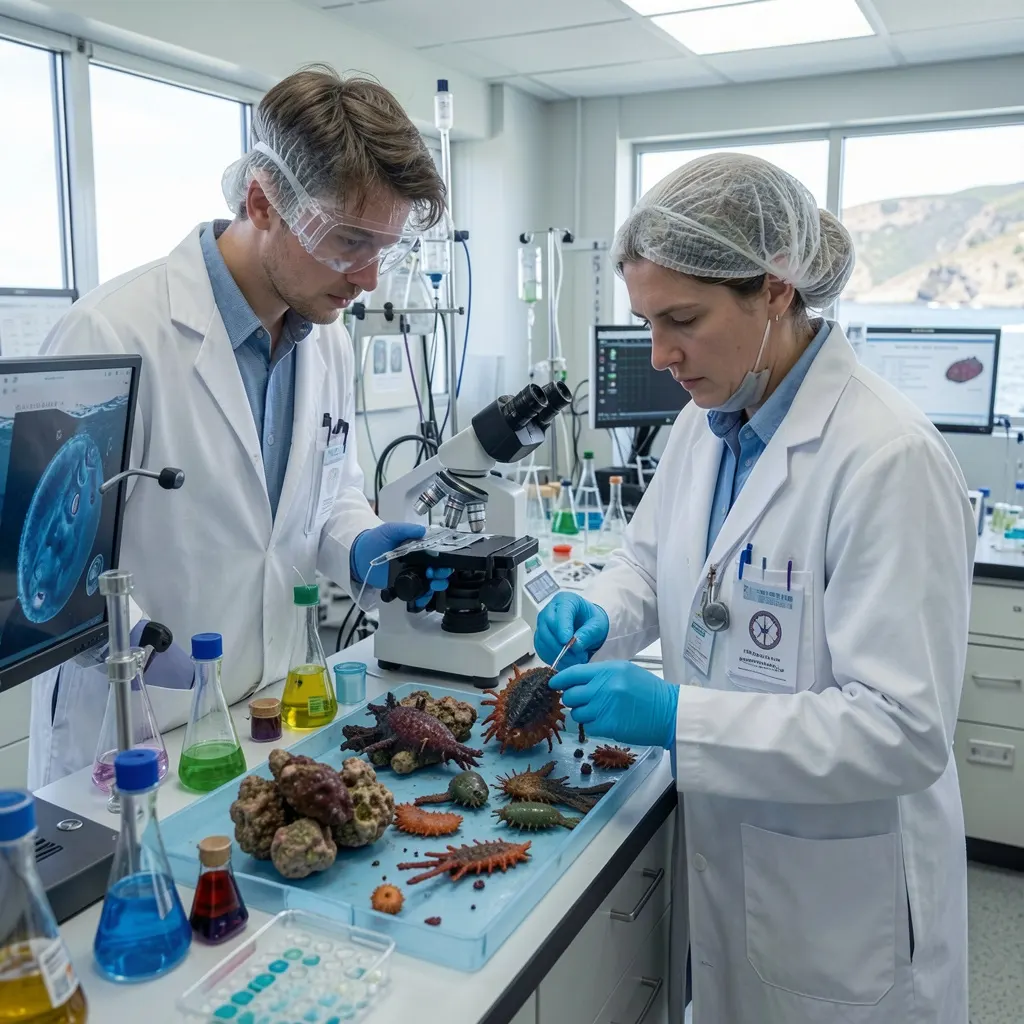
Scientists believe climate change and rising ocean temperatures may be creating more favorable conditions for marine bacteria to survive farther north than in previous decades.
Research highlighted by the National Oceanic and Atmospheric Administration (NOAA) suggests warming coastal waters are influencing marine ecosystems in ways that can affect public health risks.
Historically, Vibrio infections were more commonly associated with warmer Gulf Coast regions. But recent cases reported along parts of the northeastern United States have raised concern among epidemiologists and coastal health agencies.
The Climate Change Connection
The spread of dangerous marine bacteria has increasingly become part of the broader climate-health conversation. As ocean temperatures rise globally, scientists warn that diseases once limited to certain geographic regions could become more widespread.
Health researchers at institutions including World Health Organization (WHO) have repeatedly warned that climate change may intensify various infectious disease risks through changing ecosystems, flooding events, and warmer environments.
Public health experts emphasize that while alarming headlines often use terms like “flesh-eating bacteria,” the actual risk to the average beachgoer remains relatively low when appropriate precautions are followed.
How to Reduce Your Risk
Medical professionals recommend several simple precautions for people visiting coastal waters during warmer months.
- Avoid swimming with open cuts or wounds.
- Wash any exposed wounds thoroughly after seawater contact.
- Cook shellfish, especially oysters, properly before eating.
- Seek immediate medical care if severe skin symptoms develop after ocean exposure.
The US Food and Drug Administration (FDA) also advises caution regarding raw seafood consumption, particularly for individuals with underlying health conditions.
Why Public Health Officials Are Paying Attention
Although Vibrio infections remain uncommon overall, the possibility of geographic expansion is what concerns scientists most. Public health agencies increasingly view climate-sensitive diseases as an emerging challenge requiring long-term monitoring.
The issue highlights how environmental changes can produce unexpected health consequences far beyond storms, heat waves, or rising sea levels. Invisible biological threats may become one of the defining public health concerns of the coming decades.
#PublicHealth #Vibrio #ClimateChange #HealthAlert #OceanHealth #CDC #MarineBacteria #EnvironmentalHealth #ScienceNews