

 By Vinod Ram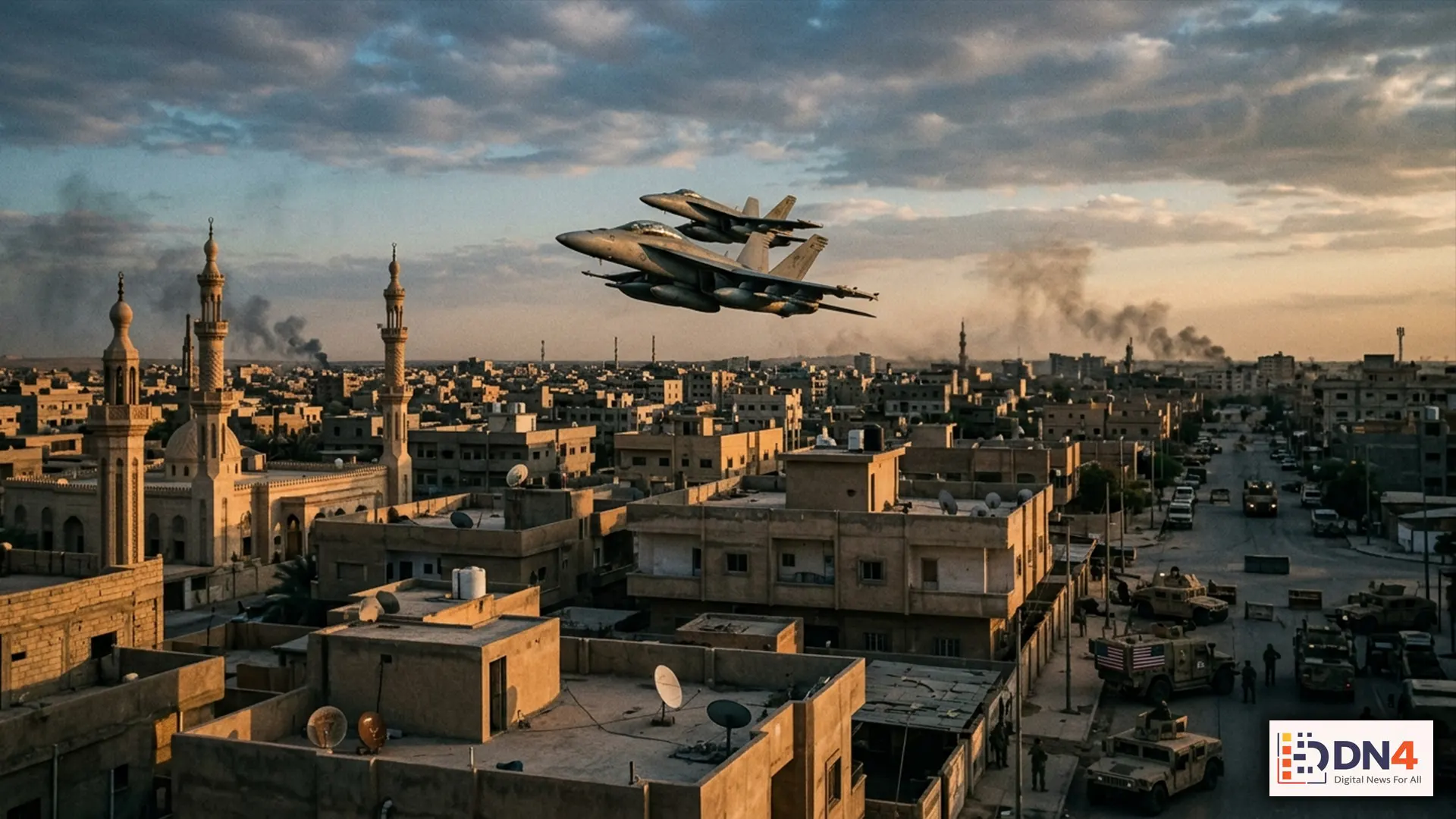
The phrase “love tap” may sound harmless, but in the volatile world of geopolitics, even limited military actions can trigger global consequences. As tensions intensify across the Middle East, analysts and defense experts are increasingly warning that small-scale retaliatory strikes between regional powers could rapidly spiral into a broader confrontation.
For the United States, the stakes are enormous. Beyond the immediate military risks, any escalation threatens global energy markets, international trade routes, cybersecurity infrastructure, and America’s strategic alliances.
Recent reporting from Council on Foreign Relations and U.S. Department of Defense suggests that the region has entered one of its most fragile periods in years.
What Does “Love Tap” Escalation Actually Mean?
In diplomatic and military circles, the term “love tap” often refers to a controlled or symbolic retaliation designed to avoid full-scale war while still sending a political message. These actions may include limited missile strikes, cyberattacks, drone operations, or targeted military responses.
However, history shows that restrained responses do not always stay restrained.
According to analysis published by Brookings Institution, modern conflicts increasingly operate in gray zones where cyber warfare, proxy militias, and information campaigns blur the line between peace and open warfare.
Why the Middle East Matters to U.S. Security
The United States maintains critical military, diplomatic, and economic interests throughout the Middle East. American naval forces patrol key shipping lanes, while strategic partnerships with regional allies remain central to Washington’s foreign policy.
One major concern involves energy security. The International Energy Agency has repeatedly warned that instability around major oil transit routes like the Strait of Hormuz can immediately disrupt global energy prices.
Even temporary disruptions could impact inflation, fuel prices, supply chains, and financial markets worldwide — including in the United States.
The Cybersecurity Threat Is Growing
Modern conflict is no longer limited to traditional battlefields. Cyber warfare has become one of the most dangerous dimensions of geopolitical escalation.
Security experts from CISA and leading cybersecurity firms continue to monitor increased digital threats tied to international tensions. Critical infrastructure, including energy grids, banking systems, airports, and telecommunications networks, could become targets during a broader regional conflict.
Unlike conventional military attacks, cyber operations can create widespread disruption without immediate attribution, making retaliation and deterrence significantly more complicated.
Could the U.S. Be Pulled Into a Larger Conflict?
That remains the central question.
The United States has military personnel, bases, and strategic assets spread throughout the Middle East. Any direct attack on American forces or allies could force Washington into a larger response.
Analysts from Center for Strategic and International Studies warn that escalation risks increase dramatically when multiple regional actors become involved simultaneously. Proxy groups, drone strikes, and rapid retaliation cycles can quickly overwhelm diplomatic efforts.

At the same time, global powers including Russia and China are closely watching developments, adding another layer of geopolitical complexity.
Economic Consequences Could Be Severe
Beyond military concerns, investors and policymakers fear the economic ripple effects of prolonged instability.
Financial analysts have already pointed to volatility in oil futures, shipping insurance costs, and global market sentiment. A wider regional conflict could affect:
- Global oil and gas prices
- International shipping routes
- Stock market stability
- Defense spending priorities
- Inflation and consumer costs
For everyday Americans, that could translate into higher fuel prices, increased economic uncertainty, and renewed pressure on already fragile global supply chains.
The Middle East has long been one of the world’s most strategically sensitive regions, but today’s security environment is more unpredictable than ever. Even “limited” retaliatory actions can carry enormous unintended consequences in a world shaped by cyber warfare, advanced drones, and global economic interdependence.
For the United States, the challenge is balancing deterrence with diplomacy while avoiding a conflict that could rapidly expand beyond regional borders.
Whether this latest “love tap” escalation remains contained or evolves into something far more dangerous may depend on decisions made in the coming days.
#MiddleEast #USSecurity #Geopolitics #Iran #Israel #GlobalSecurity #CyberWarfare #WorldNews