

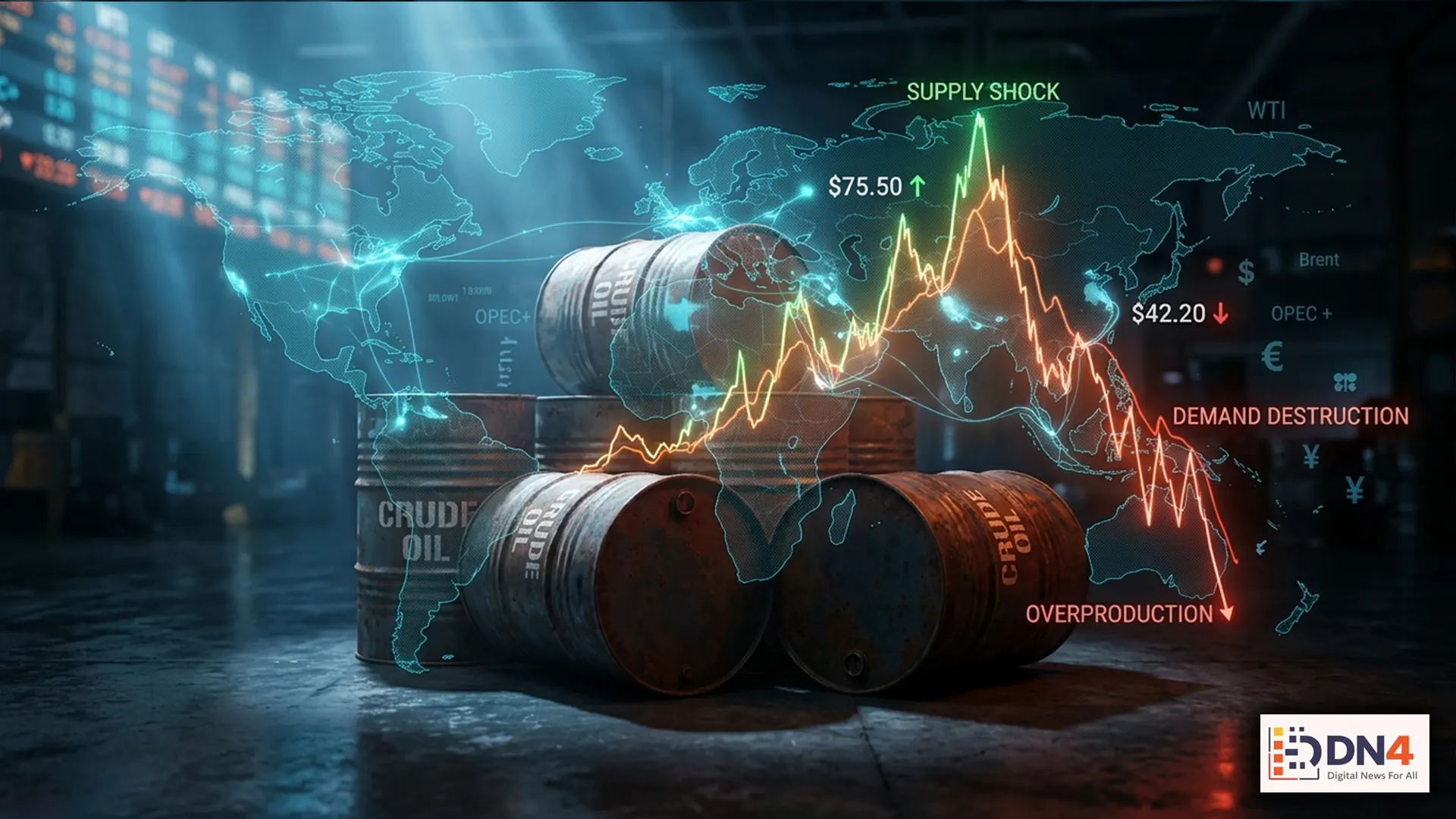
The global energy market is shifting once again as OPEC+ announces new production increases in 2026. While more oil supply might sound like good news, the reality is more complex—and it directly impacts what you pay at the pump.
According to OPEC Official Reports, member nations are adjusting output levels to stabilize markets amid fluctuating demand and geopolitical pressures.
Why OPEC+ Production Changes Matter
OPEC+ controls a significant portion of the world’s oil supply. When production increases, it typically leads to lower crude prices—but only under stable conditions.
Insights from International Energy Agency (IEA) show that global demand, shipping disruptions, and political tensions can offset supply increases.
- Higher production can reduce oil prices
- But global demand may keep prices elevated
- Market speculation adds volatility
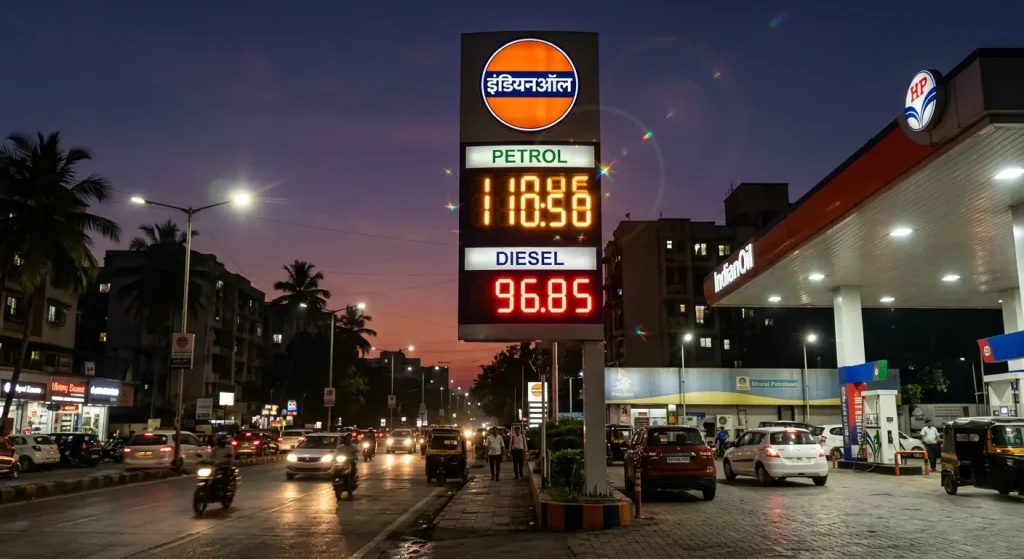
What It Means for Gas Prices
In theory, increased oil supply should lower gas prices. However, real-world factors complicate the equation. Data from U.S. Energy Information Administration shows that refining costs, taxes, and distribution also play major roles.
Key factors affecting your wallet include:
- Refinery capacity and maintenance
- Transportation and logistics costs
- Regional taxes and regulations
Inflation and Economic Ripple Effects
Oil prices influence nearly every sector of the economy. When fuel costs drop, transportation becomes cheaper, which can ease inflation. However, sudden price swings can create uncertainty.
According to International Monetary Fund (IMF), energy price volatility remains a key driver of global inflation trends.
Global Market Reactions
Financial markets closely watch OPEC+ decisions. Reports from Bloomberg Energy indicate that traders often react before actual supply changes take effect.
This leads to:
- Short-term price spikes or drops
- Increased investment in energy stocks
- Currency fluctuations in oil-dependent economies
What Consumers Should Expect
For everyday consumers, the impact will vary by region. In the U.S. and Europe, gas prices may stabilize or slightly decrease if supply continues to rise. However, unexpected disruptions could reverse this trend quickly.
Experts recommend monitoring updates from Reuters Energy for real-time insights.
Looking Ahead
The 2026 oil shakeup highlights how interconnected global markets are. While OPEC+ production hikes aim to balance supply and demand, external factors will continue to influence prices.
OPEC+ production increases may offer some relief at the pump, but the broader picture remains uncertain. For consumers, staying informed is the best way to navigate fluctuating fuel costs in 2026.
#OPEC2026 #OilPrices #GasPrices #EnergyMarket #GlobalEconomy #Inflation #FuelCosts #OilIndustry