

 By Vinod Ram
The personal struggles of reality television personalities often unfold in front of millions of viewers. But when those struggles involve children, the ethical questions surrounding reality TV become far more complex.
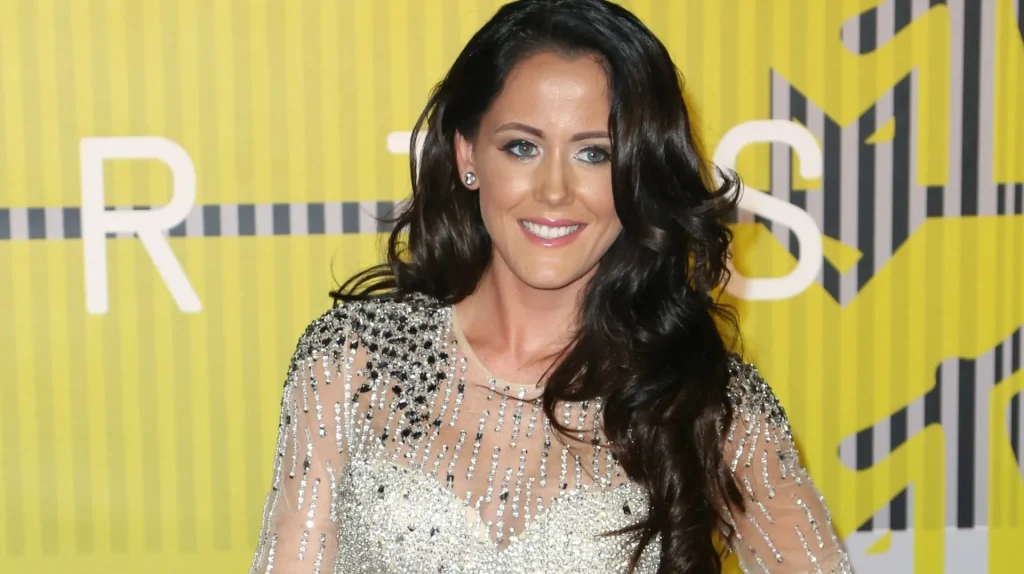
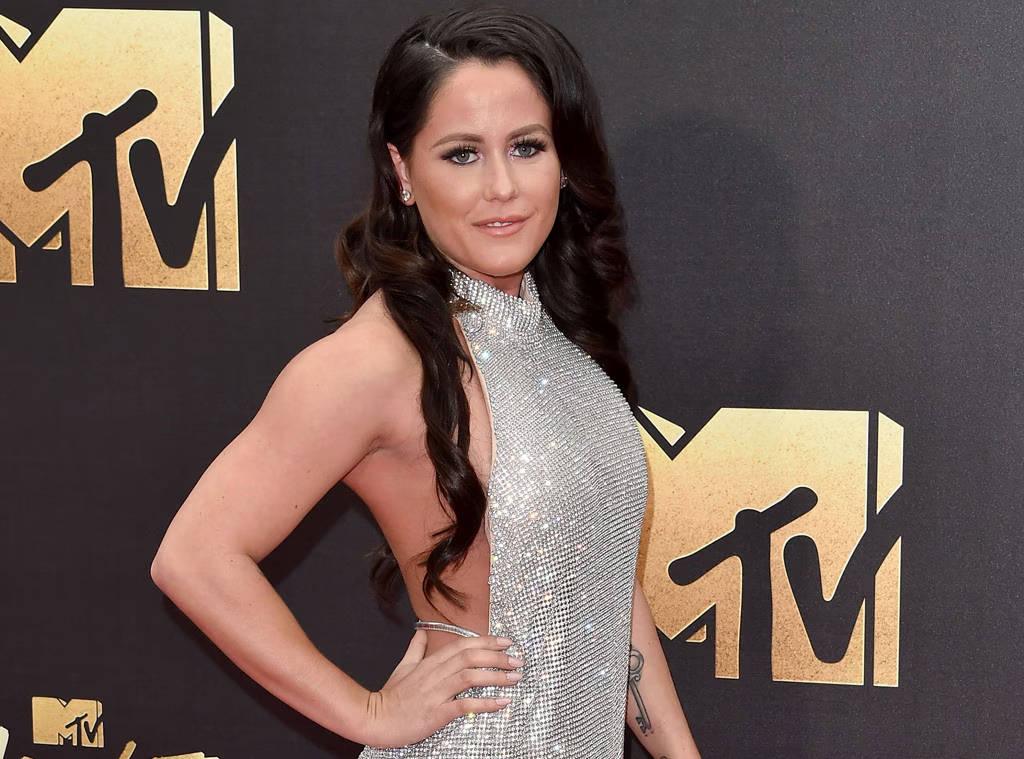
The ongoing family situation involving Teen Mom alum Jenelle Evans and her son Jace has reignited debates about how children are treated in reality television productions.
Advocates say the controversy highlights the urgent need for stronger regulations protecting minors appearing on reality shows — including proposals for a new “Reality TV Kid Protection Act.”
The Background of the Jace Crisis
Jenelle Evans rose to national attention through the MTV reality series documenting the lives of young mothers. Over the years, family conflicts involving her son Jace have frequently played out publicly through media coverage and social networks.
According to reports covered by outlets such as Us Weekly and People, the situation has raised concerns about the psychological effects of growing up in the spotlight.
Critics argue that children appearing in reality programming often lack the same legal protections afforded to child actors in scripted television.
Why Reality TV Kids Have Fewer Legal Protections
Traditional child actors are protected by labor regulations such as the U.S. child labor laws and the well-known Coogan Law, which ensures that a portion of a child actor’s earnings is preserved in trust.
However, many reality television participants are classified differently, meaning those protections may not fully apply.
Media advocacy groups, including organizations highlighted by SAG-AFTRA, have increasingly called for updated regulations addressing this legal gap.
The Push for a Reality TV Kid Protection Act
The growing debate has led lawmakers and child advocacy groups to discuss potential reforms.
Proposed legislation often includes measures such as:
- Mandatory financial trust accounts for minors appearing on reality shows
- Restrictions on filming sensitive family situations
- Psychological support requirements for child participants
- Clear consent standards and privacy protections
Child welfare advocates cited by organizations like the Child Welfare Information Gateway say such policies could better safeguard minors featured in unscripted programming.
The Growing Ethical Debate Around Reality TV
The broader issue extends beyond a single family. Reality television has grown into a massive global industry, generating billions in revenue and dominating streaming platforms.
However, critics argue that producers may prioritize dramatic storytelling over the well-being of participants — particularly children.
Media ethics researchers referenced by Pew Research Center say public awareness of these concerns is increasing as audiences become more conscious of privacy and mental health issues.
What Could Change Next?
The controversy surrounding the Evans family situation could accelerate conversations about reforming the legal framework governing reality television.
If new protections are enacted, they could reshape how networks produce family-centered reality shows.
For now, the debate continues — raising a critical question for the entertainment industry: how should reality television balance storytelling with the responsibility of protecting children?
#JenelleEvans #RealityTV #ChildProtection #TeenMom #MediaEthics #RealityTVKids #EntertainmentNews