

 By Vinod Ram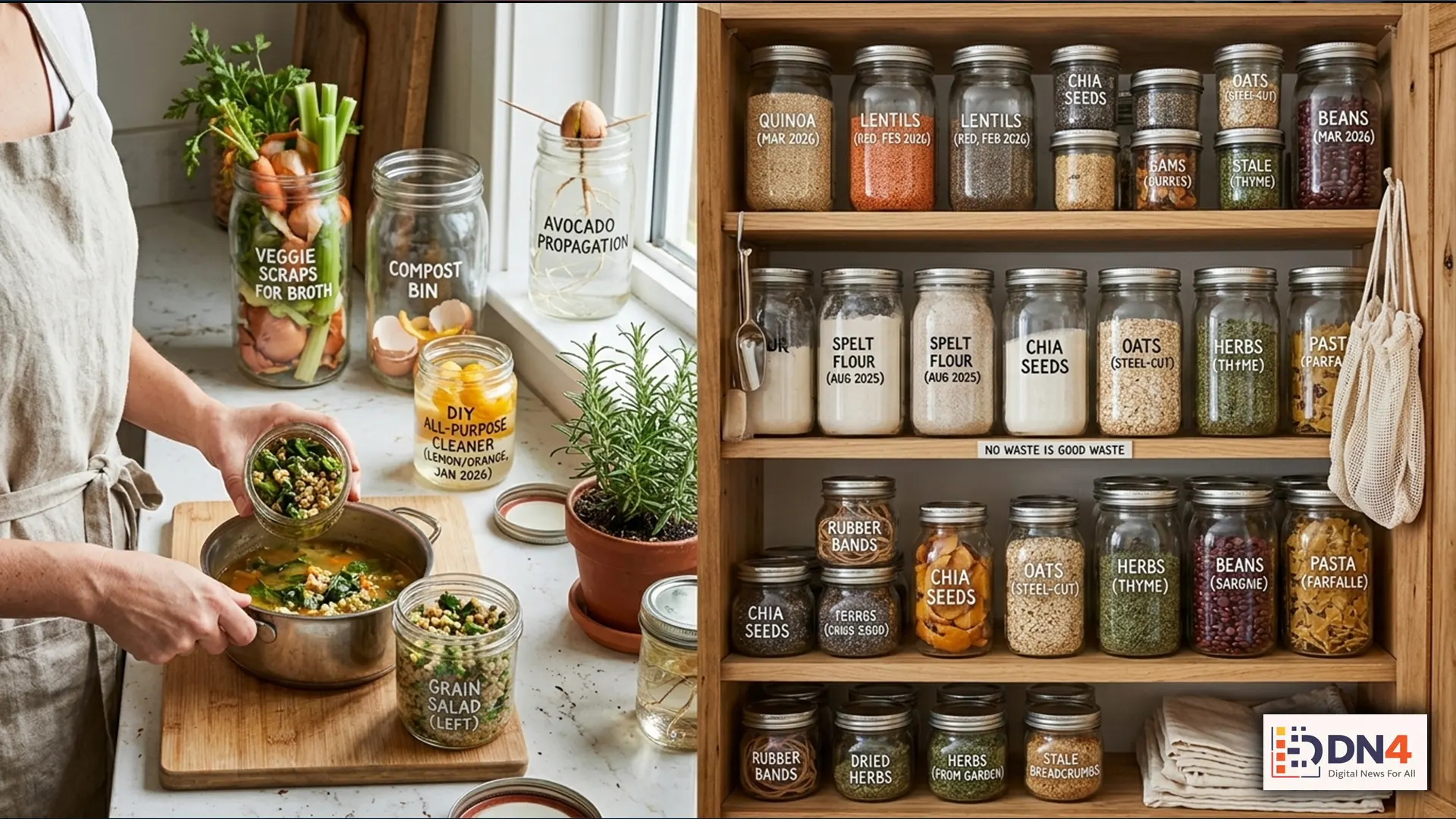
With grocery prices rising in many parts of the world, households are looking for smarter ways to stretch their food budgets. One surprisingly effective strategy is something chefs and sustainability experts call upcycling pantry staples.
Instead of throwing away leftover ingredients or food scraps, zero-waste cooking techniques transform them into entirely new meals and pantry items.
Reducing food waste isn’t just good for your wallet—it’s also better for the environment. Studies of food waste show that households discard a significant percentage of edible food every month.
By learning a few simple kitchen hacks, you can cut waste, reduce grocery bills, and make your pantry work much harder.
1. Turn Vegetable Scraps into Homemade Broth
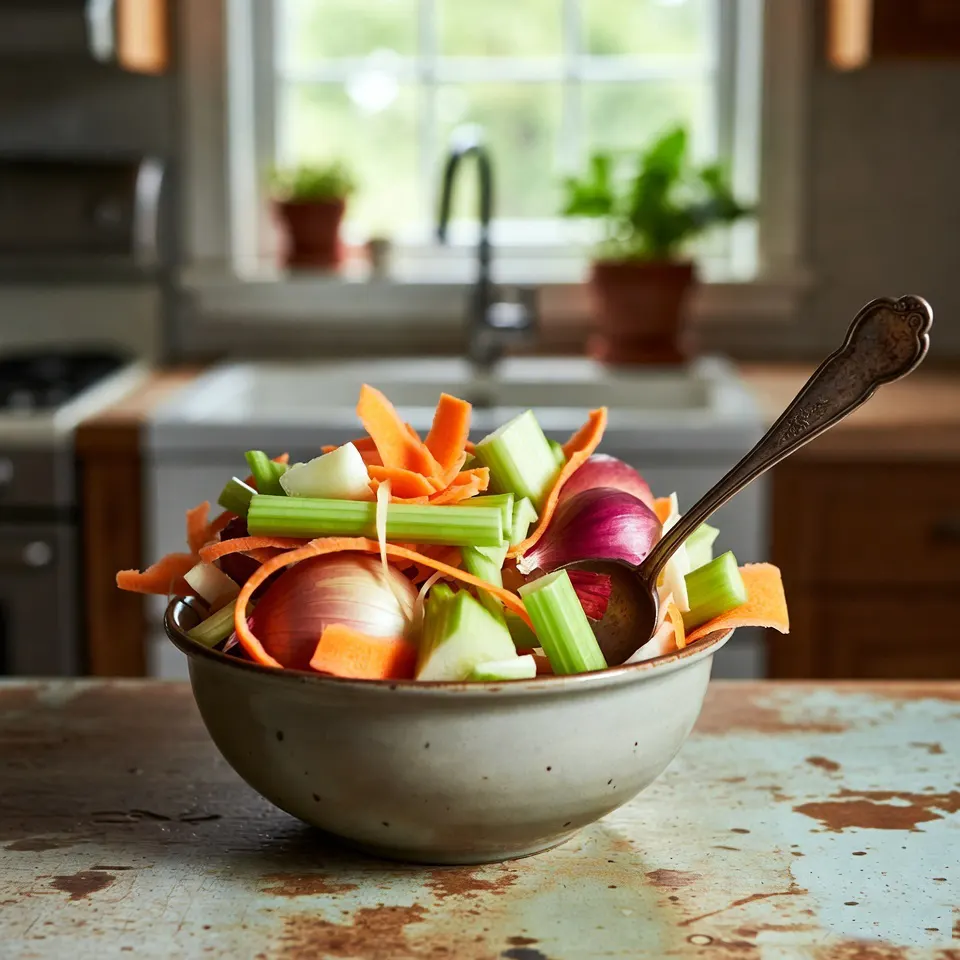
Instead of throwing away carrot tops, onion skins, celery ends, or herb stems, store them in a freezer container.
Once the container fills up, simmer the scraps with water and seasoning to create a rich homemade broth.
Homemade stock is a staple in many forms of sustainable cooking and works perfectly for soups, sauces, and rice dishes.
2. Revive Stale Bread into Croutons or Breadcrumbs
Stale bread is one of the most commonly wasted foods in households.
But it can easily be transformed into crispy croutons or flavorful breadcrumbs.
Simply cube the bread, toss it with olive oil and spices, and bake until golden. Breadcrumbs can also be blended and stored for months in airtight containers.
3. Make Citrus Peel Flavor Boosters
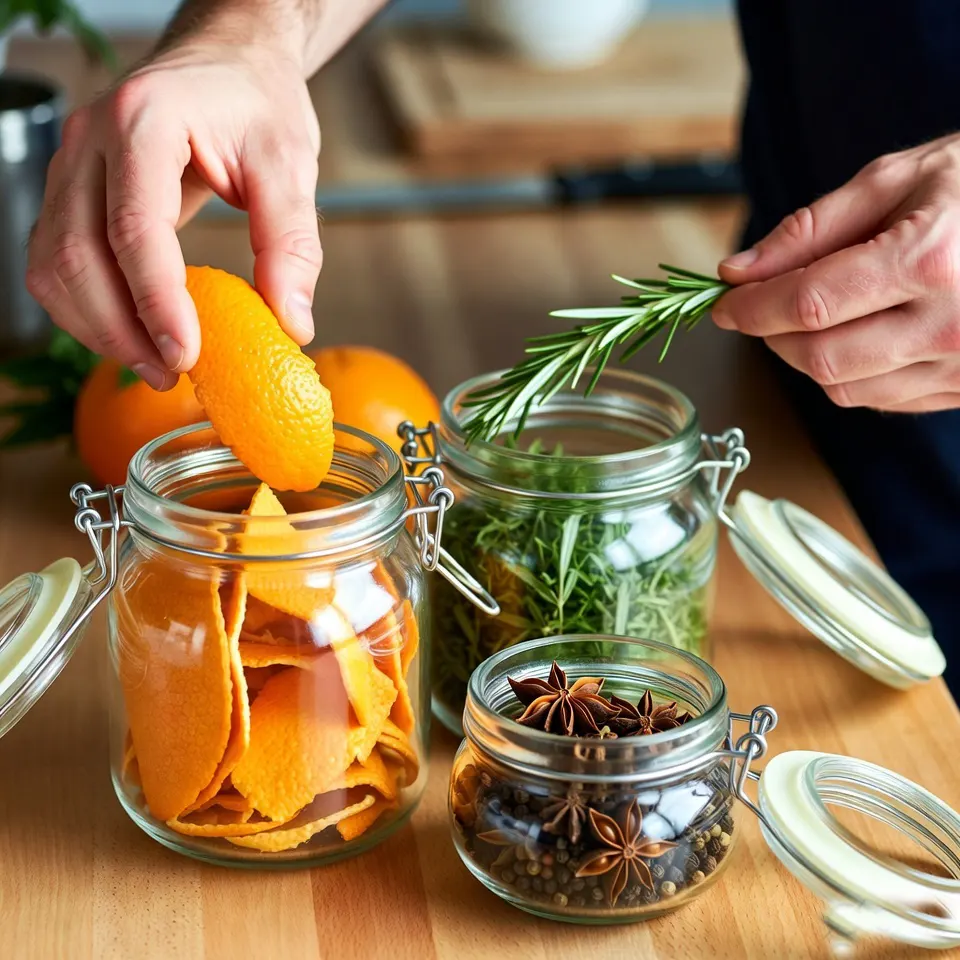
Orange, lemon, and lime peels contain aromatic oils that can add flavor to many dishes.
Instead of discarding them, dry the peels and grind them into a natural seasoning powder.
They can also be infused into vinegar, oils, or syrups for homemade dressings and desserts.
4. Transform Overripe Fruit into Smoothie Packs
Bananas, berries, and mangoes often spoil quickly if they aren’t eaten in time.
Instead of letting them go to waste, slice and freeze them in portioned smoothie bags.
This not only prevents waste but also saves money on expensive frozen fruit blends later.
5. Use Herb Stems for Flavorful Cooking Oils
Herb stems from parsley, cilantro, rosemary, and basil still contain plenty of flavor.
Simmer them gently in olive oil to create infused oils that elevate salads, roasted vegetables, and pasta dishes.
Food sustainability advocates frequently highlight these techniques as practical examples of zero-waste living.
Why Zero-Waste Cooking Saves Money
Food waste adds up quickly. When households begin using more of what they already buy, grocery trips become less frequent and budgets stretch further.
Even small changes—like repurposing leftovers or storing ingredients properly—can add up to meaningful monthly savings.
For families looking to reduce expenses without sacrificing healthy meals, upcycled pantry cooking offers one of the simplest solutions.
#ZeroWasteKitchen #SaveMoneyGroceries #SustainableCooking #BudgetLiving #FoodWasteSolutions