

 By Vinod Ram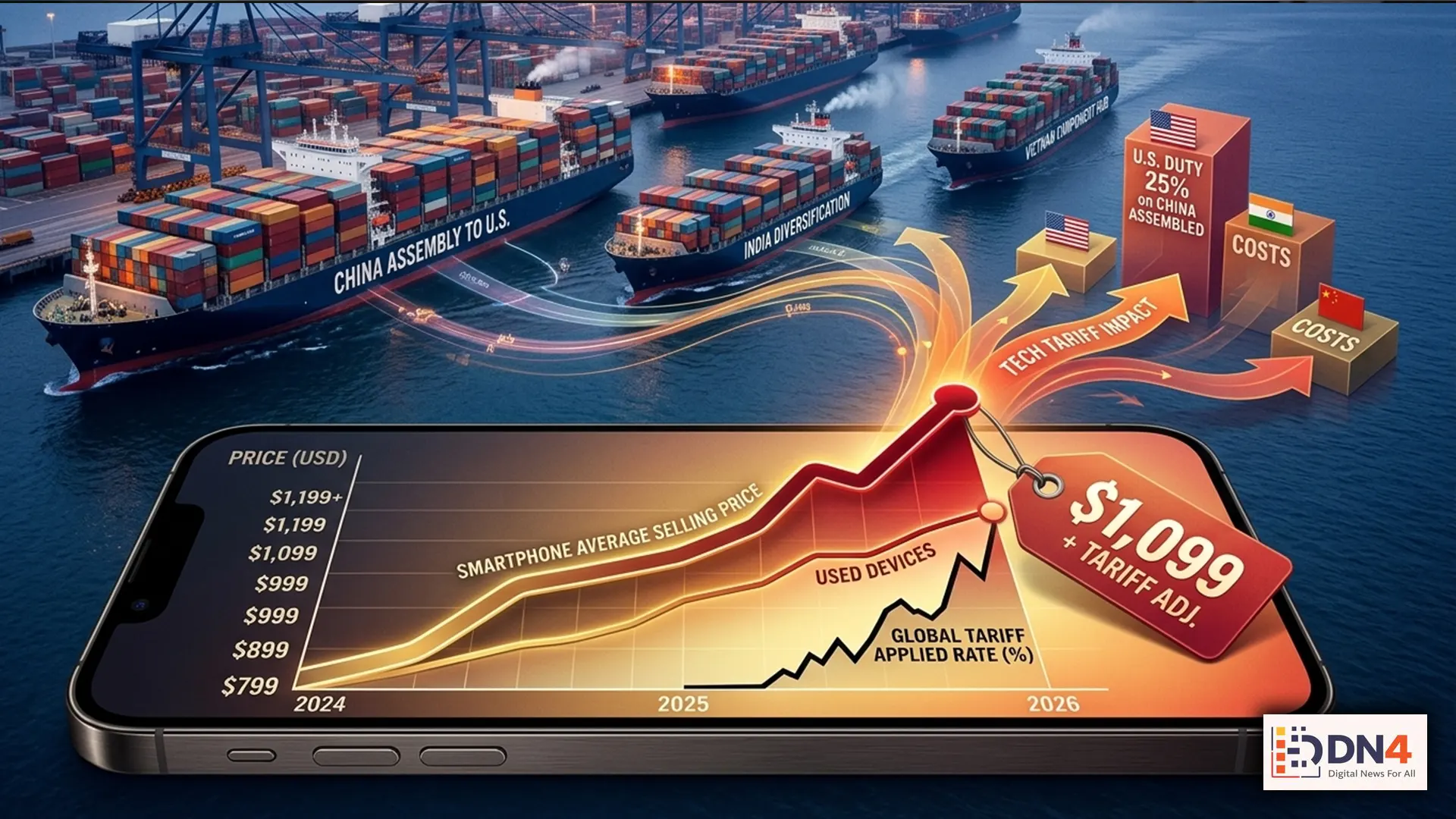
Consumers in the United States may soon notice higher prices on smartphones, laptops, and other electronics as new trade tariffs introduced in 2026 begin to affect global supply chains.
Tariffs—taxes placed on imported goods—are often used by governments to protect domestic industries or influence international trade negotiations. But they can also raise prices for consumers when companies pass the additional costs along to buyers.
Trade policies affecting electronics imports have been widely discussed in international commerce research and economic reporting.
Understanding how these tariffs work helps explain why the next smartphone upgrade might cost more than expected.
What Are Trade Tariffs?
A tariff is a tax imposed by a government on goods imported from other countries. The goal is often to make foreign products more expensive, encouraging companies and consumers to buy domestically produced alternatives.
International trade rules and tariff systems are monitored by organizations such as the World Trade Organization, which oversees global trade agreements.
However, when products rely heavily on international supply chains—as most electronics do—tariffs can raise production costs rather than simply shifting manufacturing domestically.
Why Smartphones Are Especially Vulnerable
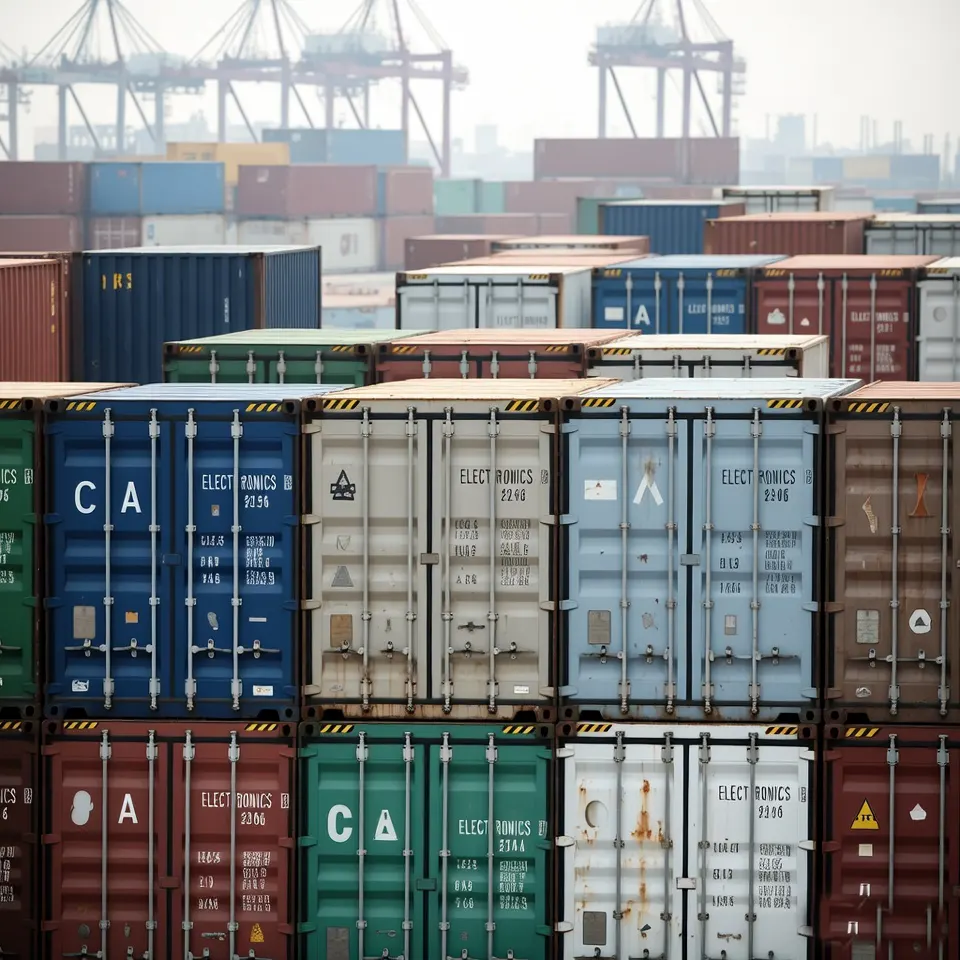
Modern smartphones are assembled using components manufactured in multiple countries. Microchips, displays, batteries, and camera modules often come from different parts of the world before final assembly occurs.
This complex network is part of what economists call the global supply chain.
If tariffs affect even one link in that chain, manufacturers may face higher production costs that ripple across the entire industry.
Major technology companies must then decide whether to absorb the additional costs or increase retail prices.
Which Tech Products Could Be Affected?
While smartphones are receiving the most attention, analysts say several consumer electronics categories could see price changes.
- Smartphones and tablets
- Laptops and desktop computers
- Gaming consoles
- Smart home devices
- Wearable technology
Technology market trends are frequently analyzed by industry research firms and organizations studying consumer electronics markets.
How Companies May Respond
Technology manufacturers have several options when tariffs increase costs:
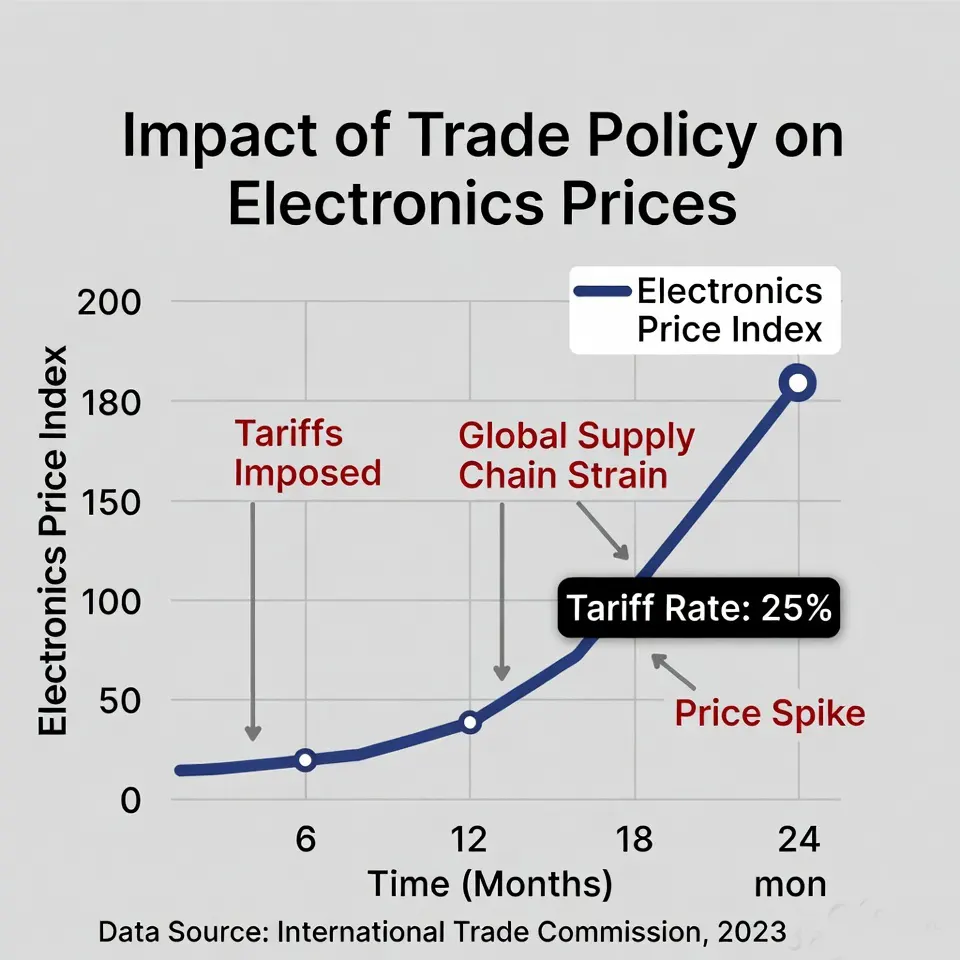
- Passing the cost directly to consumers through higher prices
- Moving manufacturing operations to new countries
- Negotiating new supplier contracts
- Reducing profit margins to remain competitive
In many cases, companies adopt a combination of these strategies depending on how long the trade policies remain in place.
What It Means for Consumers
If tariffs significantly affect the electronics industry, consumers may see gradual price increases rather than sudden spikes.
Retailers often adjust pricing over time as new inventory is manufactured under updated trade conditions.
For buyers planning to upgrade devices, watching promotional discounts and seasonal sales may become even more important.
Ultimately, the impact of trade tariffs will depend on how global supply chains adapt and how technology companies restructure their manufacturing strategies.
#TechTariffs #SmartphonePrices #GlobalTrade #TechEconomy #ConsumerElectronics