

 By Vinod Ram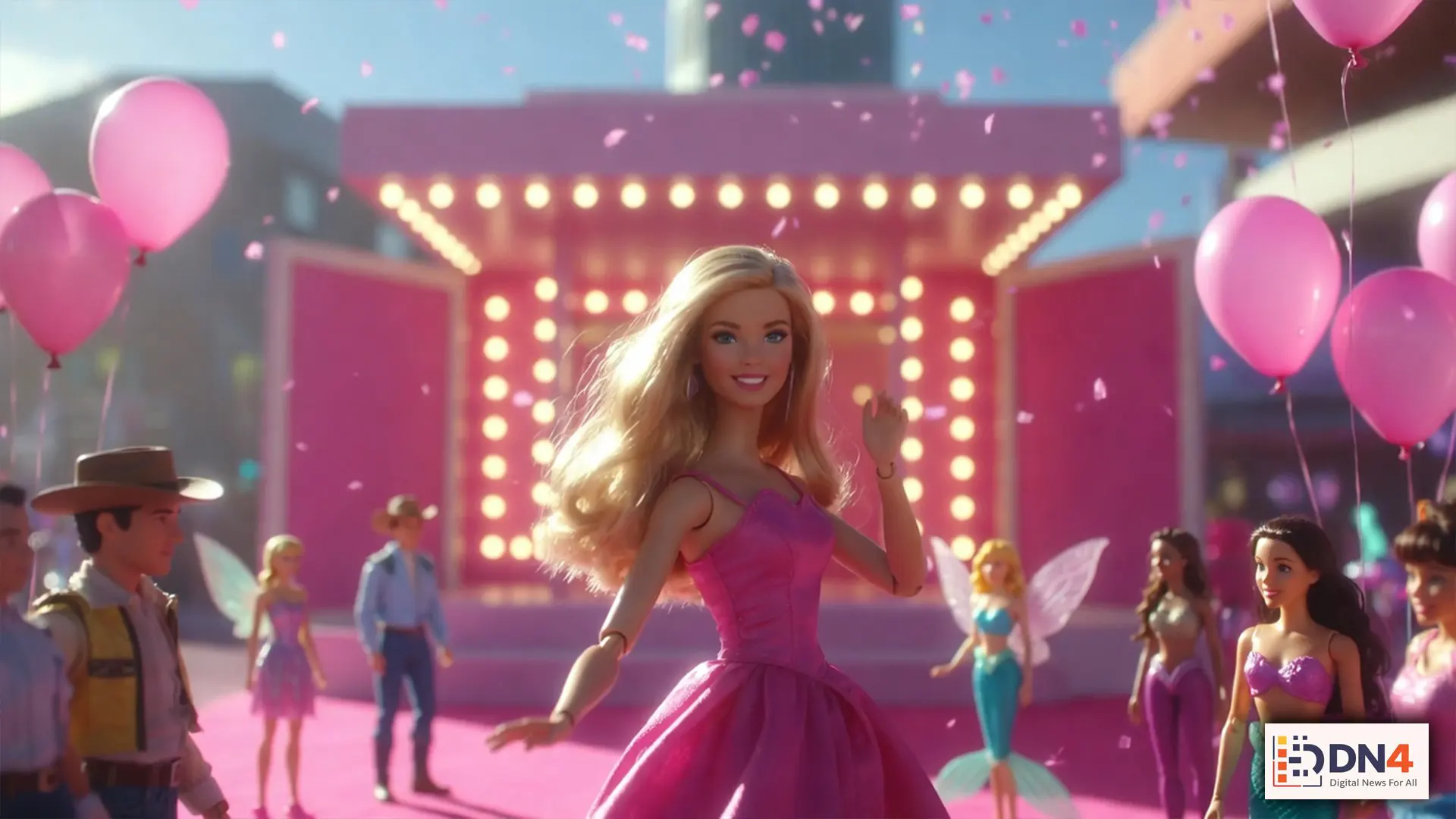
Few toys have shaped global pop culture like Barbie. First introduced in 1959, the doll has evolved from a simple fashion toy into a powerful cultural icon. Now, at age 67, Barbie is entering a new era—one that extends far beyond toy shelves.
Following the global success of the Barbie movie, toy giant Mattel is building an ambitious entertainment strategy that many analysts now call the Mattel Cinematic Universe.
Barbie’s Evolution Over the Decades
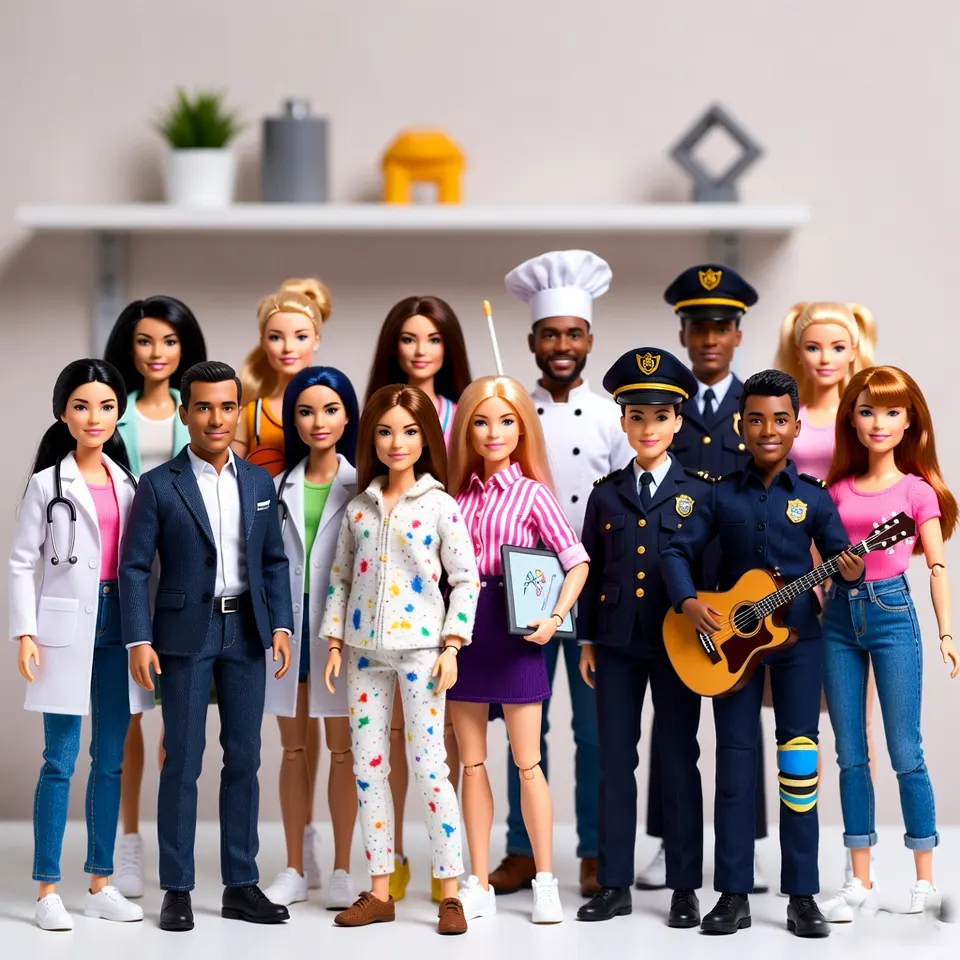
Since her debut, Barbie has continuously adapted to changing cultural trends. The brand has introduced dolls representing diverse professions, cultures, and body types, reflecting broader social changes.
According to industry insights reported by Forbes Business, this adaptability has helped Barbie remain relevant across generations.
Today’s Barbie line includes representations of scientists, athletes, entrepreneurs, and leaders—far from the stereotype that once defined the brand.
The Birth of the Mattel Cinematic Universe
Inspired by the success of franchise-driven entertainment like the Marvel Cinematic Universe, Mattel has begun expanding its intellectual properties into film and television.
Entertainment analysts from The Hollywood Reporter suggest that Barbie’s cinematic success has opened the door for other Mattel brands to enter Hollywood.
Potential projects reportedly include movies based on toy lines such as:
- Hot Wheels
- Polly Pocket
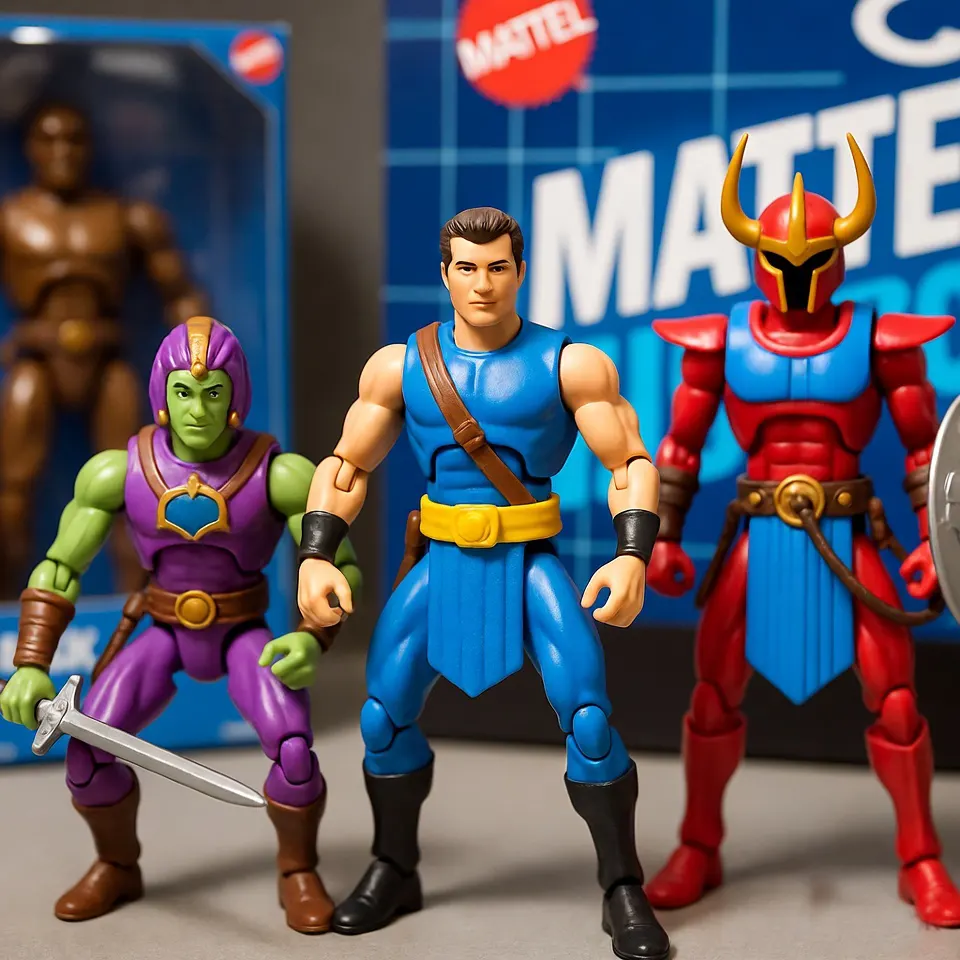
- Masters of the Universe
- American Girl
Why Barbie Remains a Cultural Powerhouse
One reason Barbie continues to dominate pop culture is her ability to reinvent herself for each generation.
Experts analyzing toy industry trends at Statista note that Barbie remains one of the world’s most recognized toy brands.
The franchise now extends into:
- Animated shows
- Video games
- Fashion collaborations
- Feature films
The Business Strategy Behind Mattel’s Entertainment Push
Mattel is positioning itself as more than just a toy manufacturer. The company is increasingly focused on becoming a full-scale entertainment brand.
Industry coverage from Variety explains that expanding intellectual property into movies, TV, and streaming content can significantly boost brand value and global revenue.
This strategy allows Mattel to create a feedback loop: films drive toy sales, while toys keep audiences engaged between releases.
What’s Next for Barbie?
As Barbie turns 67, the character continues to evolve with new storytelling formats and media platforms.
Future projects may include expanded cinematic storylines, streaming series, and collaborations with major entertainment studios.
For fans, this means the Barbie universe could become much bigger in the years ahead.
Barbie’s longevity proves that iconic brands can thrive by adapting to changing cultural and technological landscapes.
At 67, Barbie is not just a toy—she is the centerpiece of a growing entertainment ecosystem that could shape the future of the Mattel Cinematic Universe.
#Barbie #Mattel #BarbieMovie #MattelCinematicUniverse #PopCulture #ToyIndustry #EntertainmentNews