

 By Vinod Ram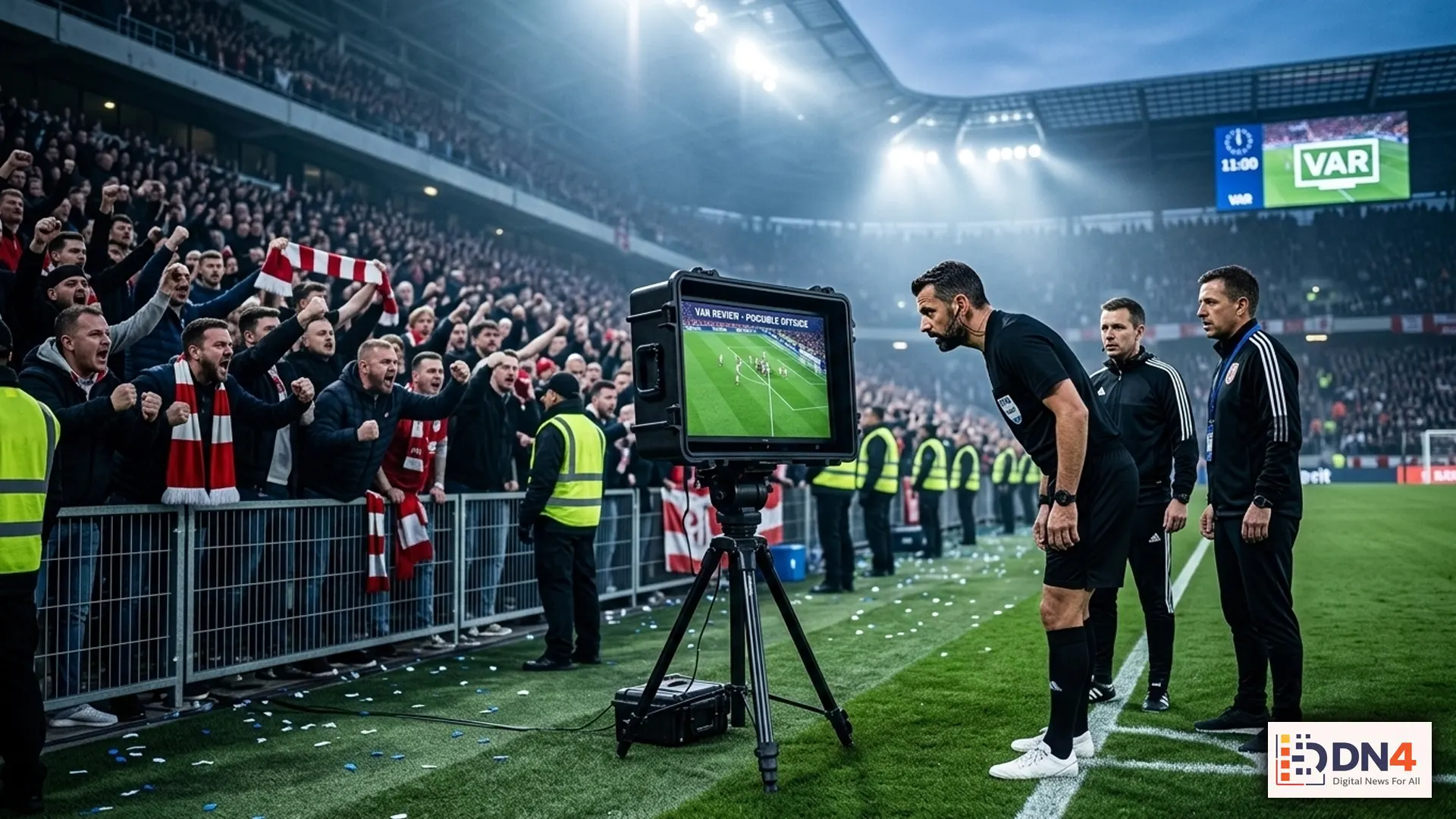
Football, often called the “beautiful game,” has entered a new technological era. The introduction of the Video Assistant Referee (VAR) system was meant to reduce controversial decisions and improve fairness on the pitch. However, in recent seasons, growing protests from fans, players, and even coaches have sparked a heated global debate: Is VAR actually ruining football?
The system, officially implemented by FIFA, was designed to assist referees with critical decisions such as goals, penalties, red cards, and mistaken identity. Yet the emotional impact of delayed celebrations and controversial calls has left many supporters frustrated.
What Is VAR and Why Was It Introduced?
VAR technology was introduced to help match officials review key moments using video replays. The system was first used in a major global tournament during the 2018 FIFA World Cup.
According to the official laws of the game published by The International Football Association Board, VAR can intervene in four types of decisions:
- Goals and possible violations in the build-up
- Penalty decisions
- Direct red cards
- Cases of mistaken identity
The idea was simple: reduce human error in high-stakes matches. But football’s unpredictable and emotional nature makes technology integration far more complicated.
Why Fans Are Protesting VAR
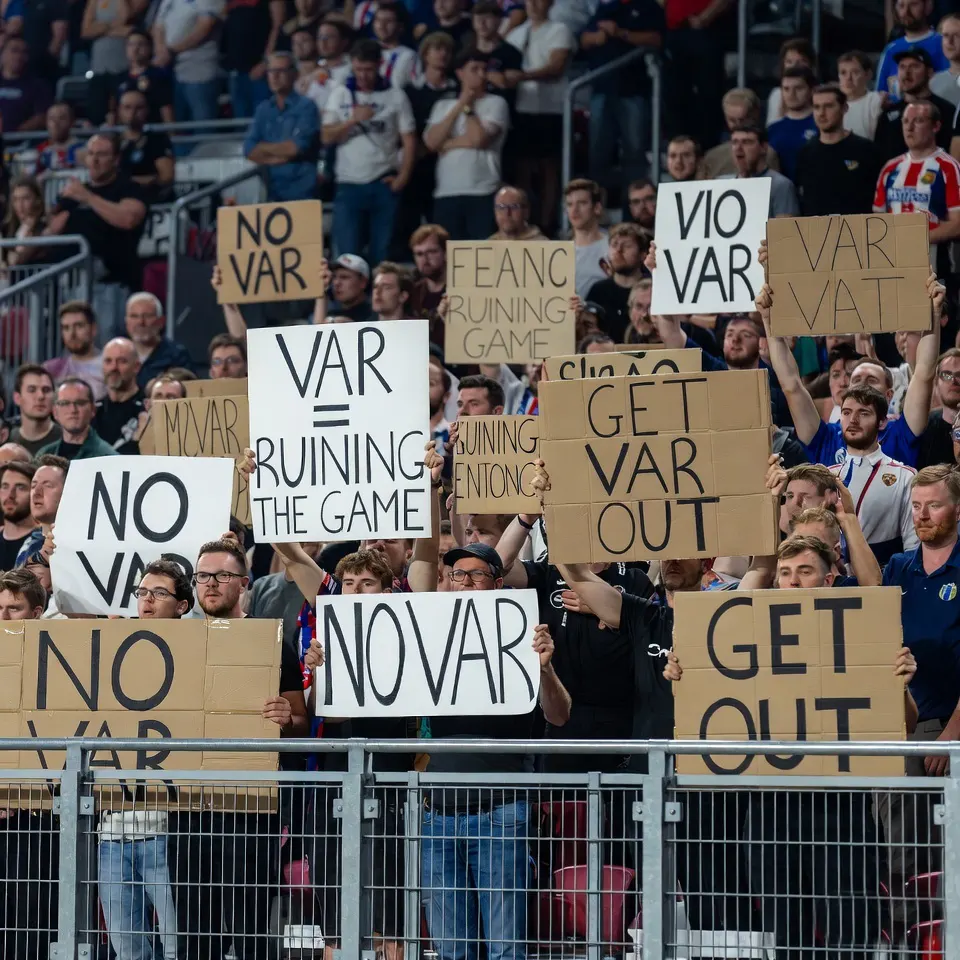
Across stadiums in Europe and beyond, fans have begun openly protesting the system. Supporters argue that VAR disrupts the rhythm of matches and removes the spontaneity that makes football special.
Reports from BBC Sport Football highlight how stadium atmospheres can quickly shift from celebration to confusion when goals are checked for minutes at a time.
The Impact on the Flow of the Game
One of the biggest criticisms of VAR is its effect on football’s natural flow. A sport known for its continuous action now frequently pauses for video reviews, sometimes lasting several minutes.
Analysts at Sky Sports Football note that even correct decisions can feel frustrating when they interrupt a team’s momentum or delay celebrations.
This has created a strange new dynamic: fans often hesitate to celebrate goals until the referee confirms that VAR has approved them.
Players and Coaches Join the Debate
Players and managers across major leagues—including the English Premier League—have voiced mixed opinions about the technology.
Some argue VAR improves fairness, while others say it replaces one type of controversy with another. Offside decisions determined by millimeters have sparked particular outrage.
Is Technology Inevitable in Modern Football?
Supporters of VAR believe that technological assistance is unavoidable in modern professional sports. Other sports such as tennis and cricket have successfully adopted review systems without major backlash.
Sports technology experts writing for ESPN Soccer argue that the issue may not be the technology itself, but rather how it is implemented and communicated during matches.
The Future of VAR
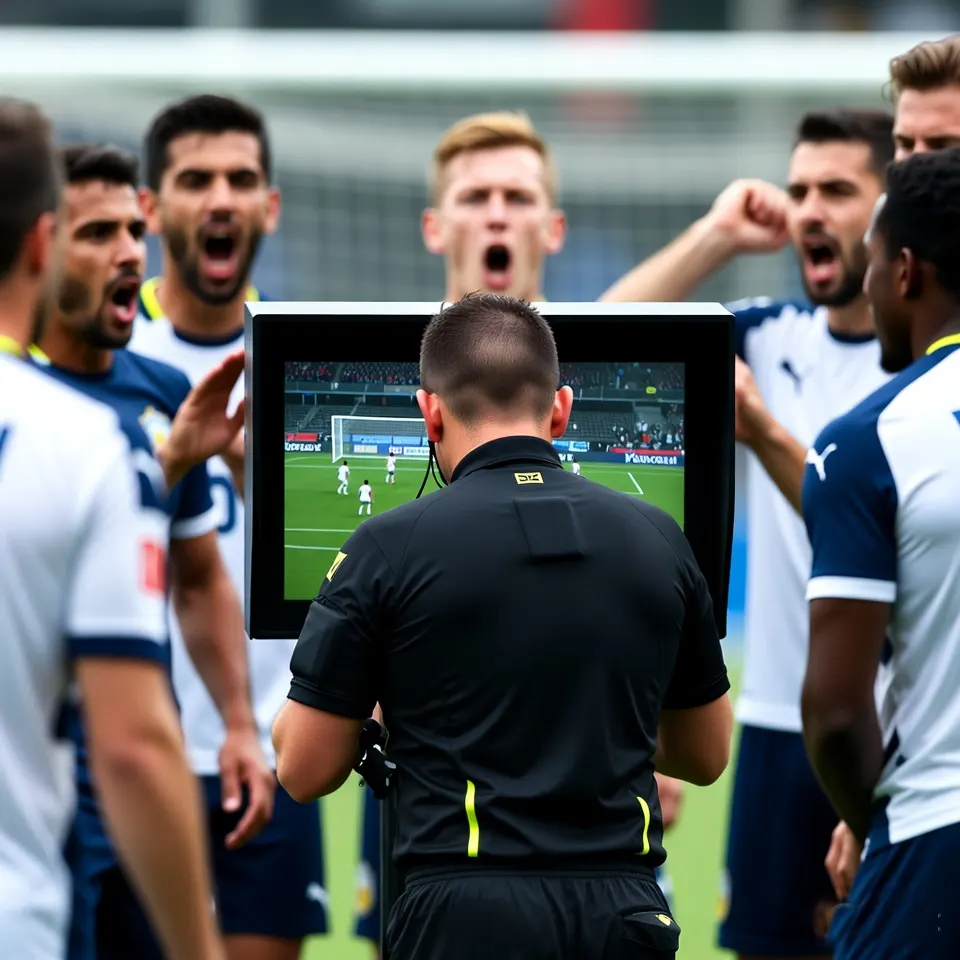
Football authorities are already exploring improvements to make VAR faster and more transparent. Semi-automated offside technology, which debuted in recent international tournaments, aims to reduce review times.
Whether fans will eventually embrace VAR remains uncertain. What is clear is that the debate reflects a deeper question about football’s identity: how much technology should influence the world’s most beloved sport?
VAR was introduced to make football fairer, but its impact has divided the global fanbase. While technology can help correct mistakes, preserving the emotion and spontaneity of the game remains a delicate balance.
For now, the debate continues in stadiums, studios, and living rooms around the world—proof that football’s passion is as powerful as ever.
#VAR #FootballDebate #SoccerTechnology #VARControversy #FootballFans #SportsDebate #GlobalFootball