

 By Vinod Ram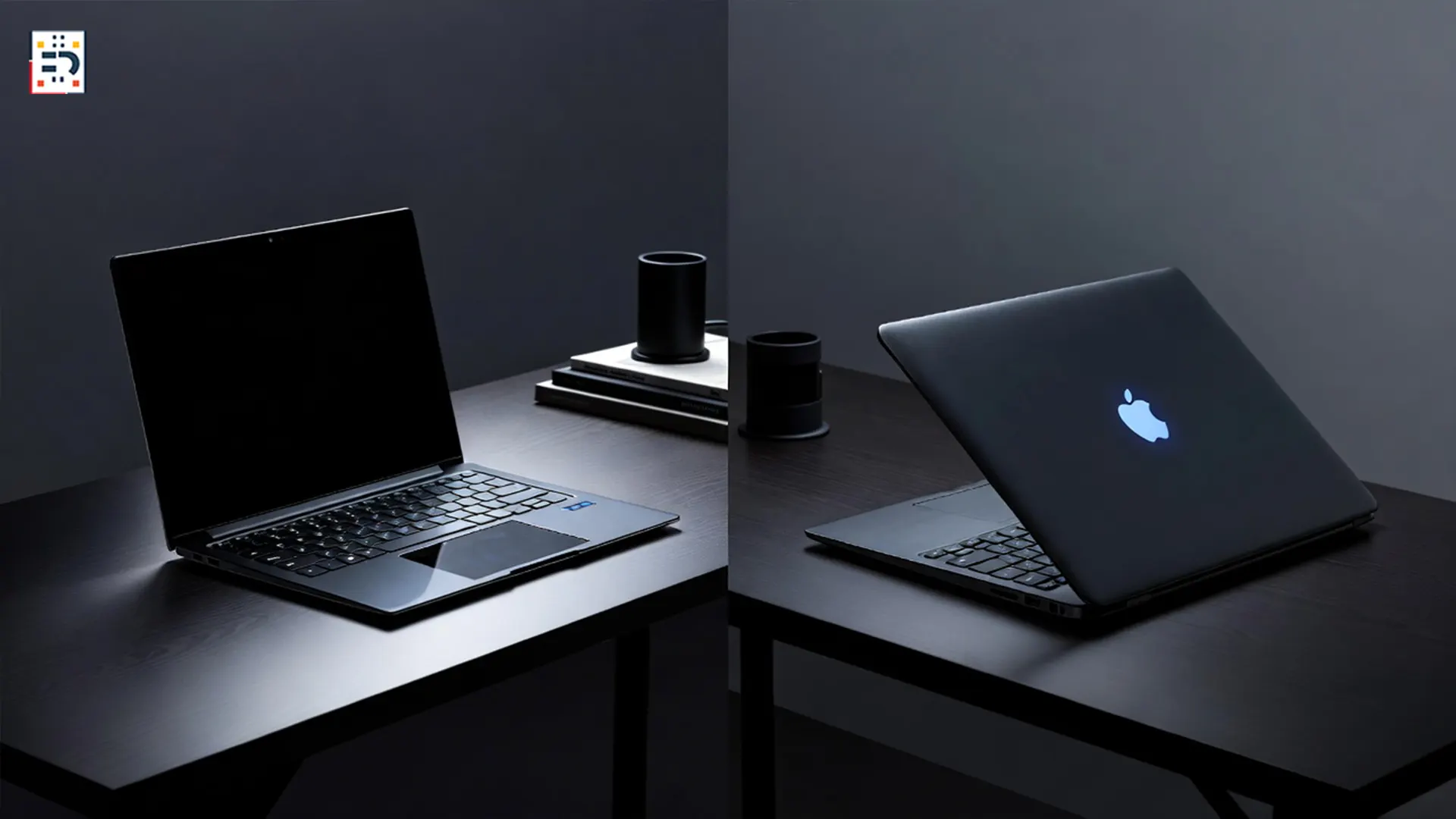
2026 is shaping up to be a defining year for laptops.
On one side, we have Intel Panther Lake, the next-generation chip expected to power high-performance Windows ultrabooks. On the other, Apple’s anticipated M5 MacBook Pro, continuing the evolution of Apple Silicon MacBook Pro.
So which powerhouse should you actually buy?
Intel Panther Lake: What We Know
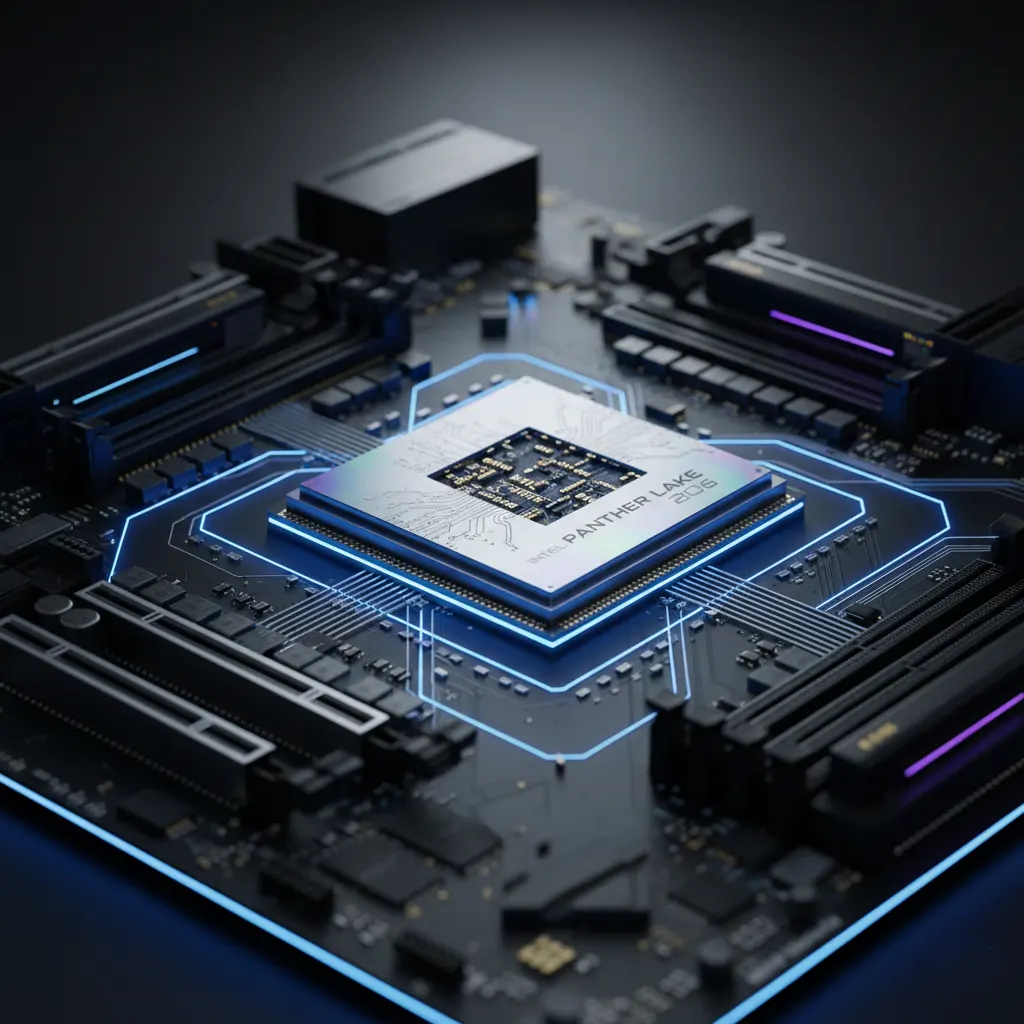
Intel’s upcoming architecture, detailed through updates on Intel’s official site, aims to push efficiency and AI acceleration further than previous generations.
Panther Lake is expected to focus on:
- Advanced power efficiency
- Integrated AI acceleration units
- Improved integrated graphics
- Competitive battery optimization
Coverage from outlets like The Verge highlights Intel’s renewed push to compete directly with Apple Silicon performance-per-watt advantages.
M5 MacBook Pro: Apple’s Next Leap
Apple’s silicon roadmap continues to evolve. Following the success of previous M-series chips, expectations around the M5 focus on even stronger GPU performance and AI task acceleration.
Apple’s transition away from Intel processors — documented widely by MacRumors — reshaped laptop efficiency standards across the industry.
The M5 MacBook Pro is likely to offer:
- Longer battery life
- Unified memory architecture
- Optimized macOS integration
- Strong content-creation workflows
Performance: Raw Power vs Optimization
Benchmark platforms such as Geekbench and hardware analysis from AnandTech typically show two different strengths:
- Intel systems often excel in flexibility and multi-threaded workloads.
- Apple Silicon dominates in performance-per-watt and creative software optimization.
The key difference? Ecosystem integration.
Windows vs macOS in 2026
Your choice isn’t just about silicon. It’s about operating systems.
- Windows machines powered by Panther Lake offer broader hardware customization.
- macOS devices deliver seamless ecosystem integration across iPhone and iPad.
Software compatibility research shared via Microsoft Windows documentation emphasizes enterprise flexibility, while Apple promotes tight hardware-software synergy.
Battery Life & AI Workloads
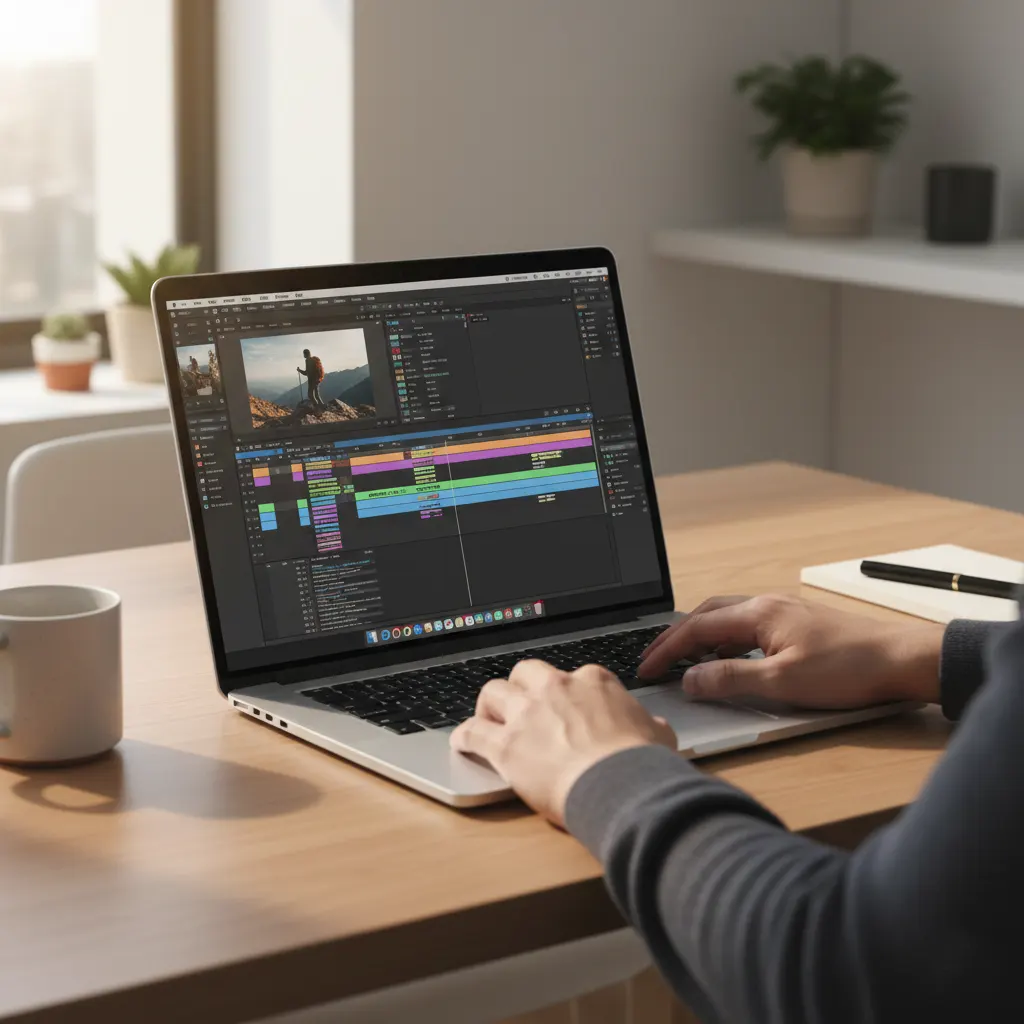
AI acceleration is now central to laptop performance — from video upscaling to real-time transcription.
Industry analysts cited in CNBC Technology note that next-gen chips are increasingly judged by on-device AI performance.
Apple’s unified memory design may offer smoother AI integration. Intel’s architecture may offer broader compatibility across AI frameworks.
Who Should Buy Which?
Choose Intel Panther Lake If:
- You prefer Windows flexibility
- You need gaming compatibility
- You want hardware configuration variety
Choose M5 MacBook Pro If:
- You work in creative software ecosystems
- You prioritize battery life
- You’re deeply invested in Apple’s ecosystem
There’s no universal winner.
In 2026, the real competition isn’t just speed — it’s efficiency, AI capability, and ecosystem alignment.
The best laptop is the one that fits your workflow, not just the spec sheet.
#PantherLake #M5MacBookPro #IntelVsApple #LaptopComparison #Tech2026 #AIComputing