

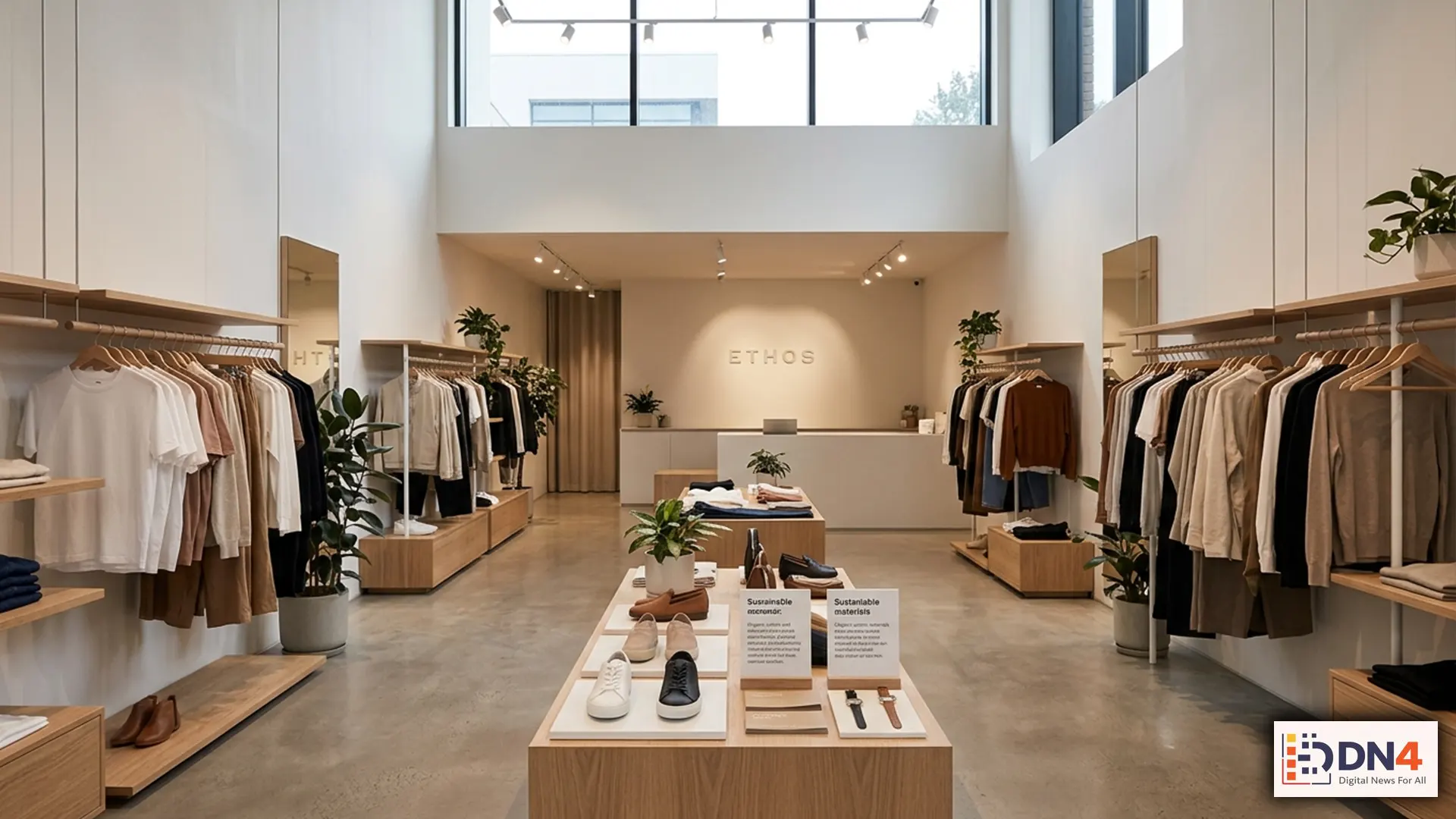
As the global fashion industry faces growing criticism over waste, overproduction, and declining quality, Everlane is emerging as one of the few apparel brands successfully navigating the backlash against ultra-fast fashion in 2026.
While major fast fashion giants continue chasing viral trends and rapid product cycles, Everlane is leaning into what analysts now call the “Quiet Clean” movement — a consumer shift toward timeless design, ethical manufacturing, and long-lasting wardrobe essentials.
Fashion experts say the trend reflects a broader cultural change. Consumers, especially in the United States, United Kingdom, and Europe, are becoming increasingly skeptical of disposable fashion culture fueled by platforms like SHEIN and ultra-low-cost online retailers.
Why Consumers Are Rejecting Ultra-Fast Fashion
The backlash against fast fashion has intensified as environmental concerns continue dominating consumer conversations. Reports from organizations like UN Environment Programme have repeatedly highlighted the fashion industry’s role in pollution, water waste, and carbon emissions.
At the same time, younger shoppers are increasingly prioritizing quality over quantity. Social media trends like “capsule wardrobes,” “underconsumption core,” and “quiet luxury” are reshaping buying habits across fashion markets.
Instead of purchasing dozens of trend-driven items every season, many consumers now prefer investing in versatile basics that last longer and align with sustainability values.
Everlane’s ‘Quiet Clean’ Strategy
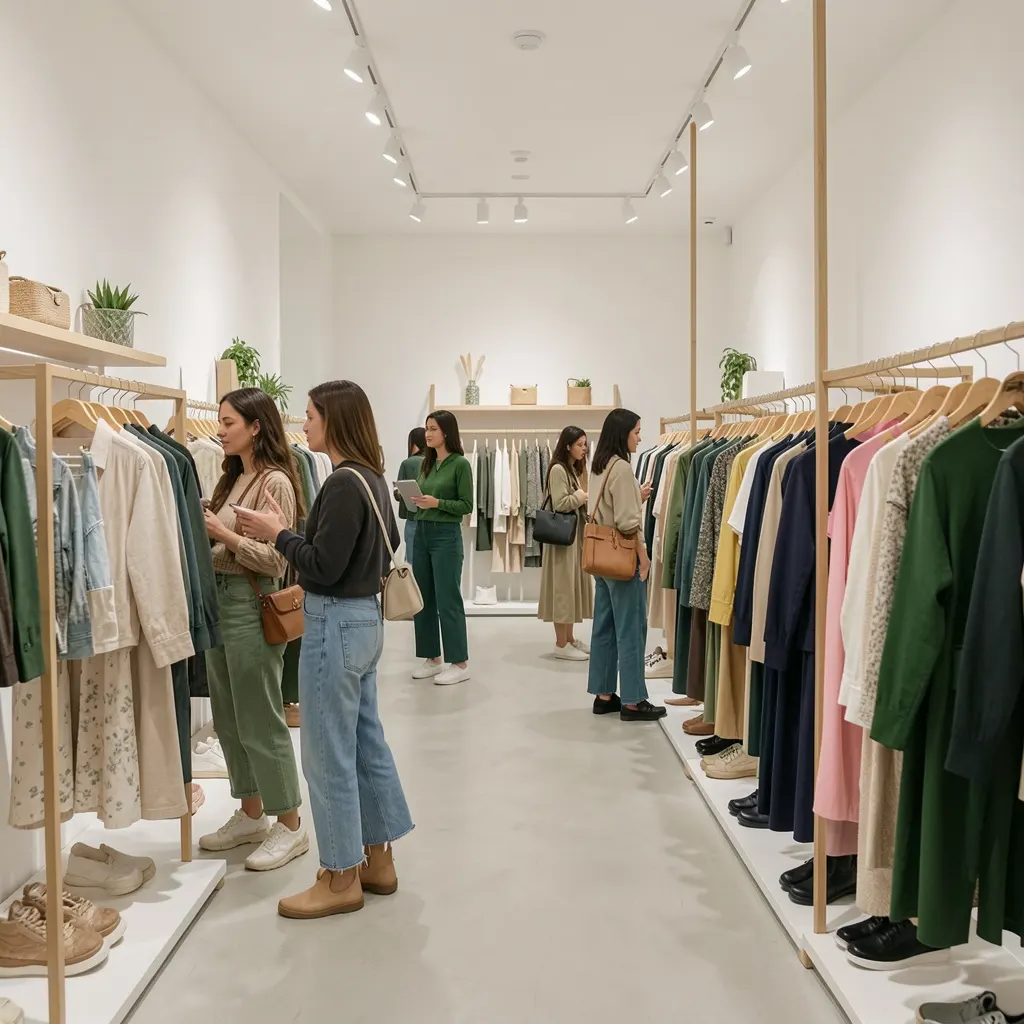
Everlane has positioned itself around transparency and minimalist essentials for years, but its strategy appears especially relevant in 2026. The company continues emphasizing:
- Ethically sourced materials
- Transparent factory partnerships
- Timeless wardrobe basics
- Reduced seasonal overproduction
- Higher-quality fabrics designed for durability
According to retail analysts featured by Business of Fashion, brands focusing on sustainable fundamentals are outperforming many trend-heavy competitors struggling with declining customer loyalty.
Everlane’s muted color palettes, premium basics, and minimalist branding also align with the growing “quiet luxury” aesthetic that gained momentum following economic uncertainty and changing consumer priorities.
The Rise of Conscious Consumerism
Consumer behavior in 2026 is increasingly influenced by sustainability awareness and economic caution. Rising living costs have encouraged shoppers to seek products offering long-term value rather than short-lived trends.
A growing number of consumers are researching supply chains, labor conditions, and environmental practices before making purchases. Platforms like Good On You have become popular tools for evaluating fashion brands based on sustainability and ethics.
This shift has forced many apparel companies to rethink how they market products and manage production cycles.
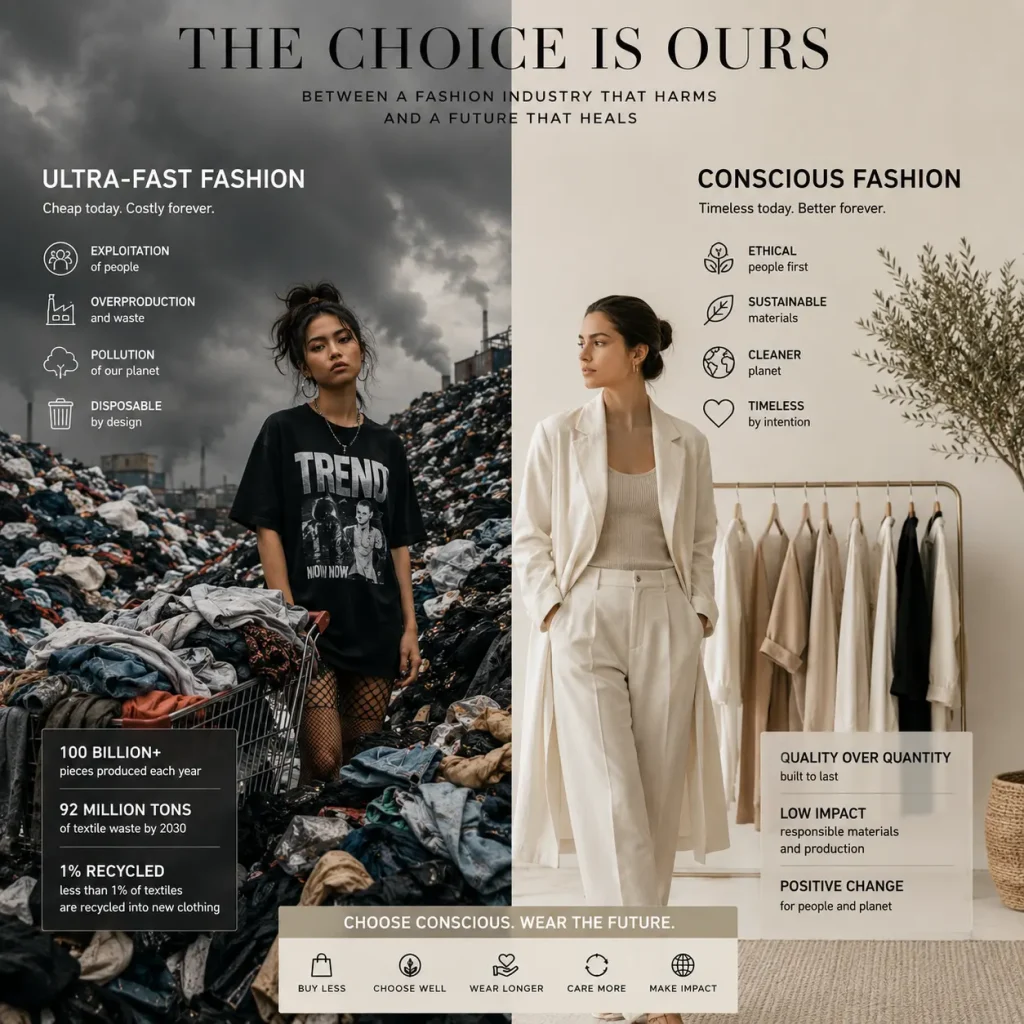
Can Minimalism Outlast Viral Fashion?
Despite the momentum behind sustainable fashion, Everlane still faces intense competition from brands capable of delivering trendy products at extremely low prices. Social media algorithms continue rewarding fast-moving microtrends that drive impulse shopping behavior.
However, fashion strategists believe consumer fatigue with excessive consumption may create long-term opportunities for brands emphasizing simplicity and durability.
Luxury-inspired minimalism is also influencing mainstream retail. Companies across the apparel industry are increasingly introducing “elevated basics” collections designed to appeal to shoppers moving away from loud branding and trend overload.
The Future of Fashion Retail in 2026
The success of the “Quiet Clean” movement could reshape the future of fashion retail over the next decade. Analysts predict that brands able to balance sustainability, affordability, and timeless design will gain stronger long-term customer loyalty.
As environmental scrutiny intensifies and consumer values evolve, Everlane’s approach may represent a broader industry pivot away from disposable fashion culture and toward more intentional shopping habits.
Whether this shift permanently changes the fashion landscape remains uncertain, but one thing is becoming increasingly clear: consumers are beginning to prioritize durability, ethics, and authenticity over endless trend cycles.
#Everlane #SustainableFashion #SlowFashion #MinimalistStyle #FashionTrends #EthicalFashion #QuietLuxury #EcoFashion #RetailIndustry