

 By Vinod Ram
The Resident Evil franchise has never been afraid to experiment, but Resident Evil: Requiem takes a bold leap forward. At the center of the debate is its new Dynamic Fear AI—a system designed to learn how you play and adjust the horror accordingly. For fans dissecting Resident Evil Requiem gameplay, this feature has become the most polarizing innovation Capcom has introduced in years.
Some players praise the relentless tension. Others say it crosses a line from scary to exhausting. So, is the fear factor finally too much?
What Is the “Dynamic Fear” AI?
According to developer notes shared by Capcom, the Dynamic Fear system tracks player behavior in real time. It observes how often you fight versus flee, which weapons you favor, and even how quickly you react to jump scares.
The result is an AI director that adapts enemy placement, sound cues, and pacing to keep players in a near-constant state of tension.
How It Changes Resident Evil Requiem Gameplay
Traditional survival horror relies on scripted scares. In Requiem, those scripts bend. Enemies may appear earlier if you’re playing confidently—or stalk you longer if the game senses hesitation.

Early impressions published by IGN highlight how repeated playthroughs feel dramatically different, even in familiar areas.
Why Some Players Love It
For hardcore fans, Dynamic Fear is a dream come true. It restores unpredictability to a genre that many felt had become formulaic.
- No two encounters feel exactly the same
- Player skill is constantly challenged
- Replay value increases significantly
Critics at GamesRadar have praised the system for making fear feel personal rather than scripted.
Why Others Say It’s “Too Intense”
Not everyone is enjoying the ride. Some players argue that the AI never gives them a moment to breathe, especially during longer sessions.
Community discussions on platforms like Reddit’s Resident Evil forum describe fatigue from constant pressure, with casual players feeling punished for experimenting or learning.
Dynamic Fear vs. Classic Survival Horror
Classic entries in the series relied on fixed resources and predictable enemy patterns. Requiem shifts that balance, leaning more into psychological endurance.
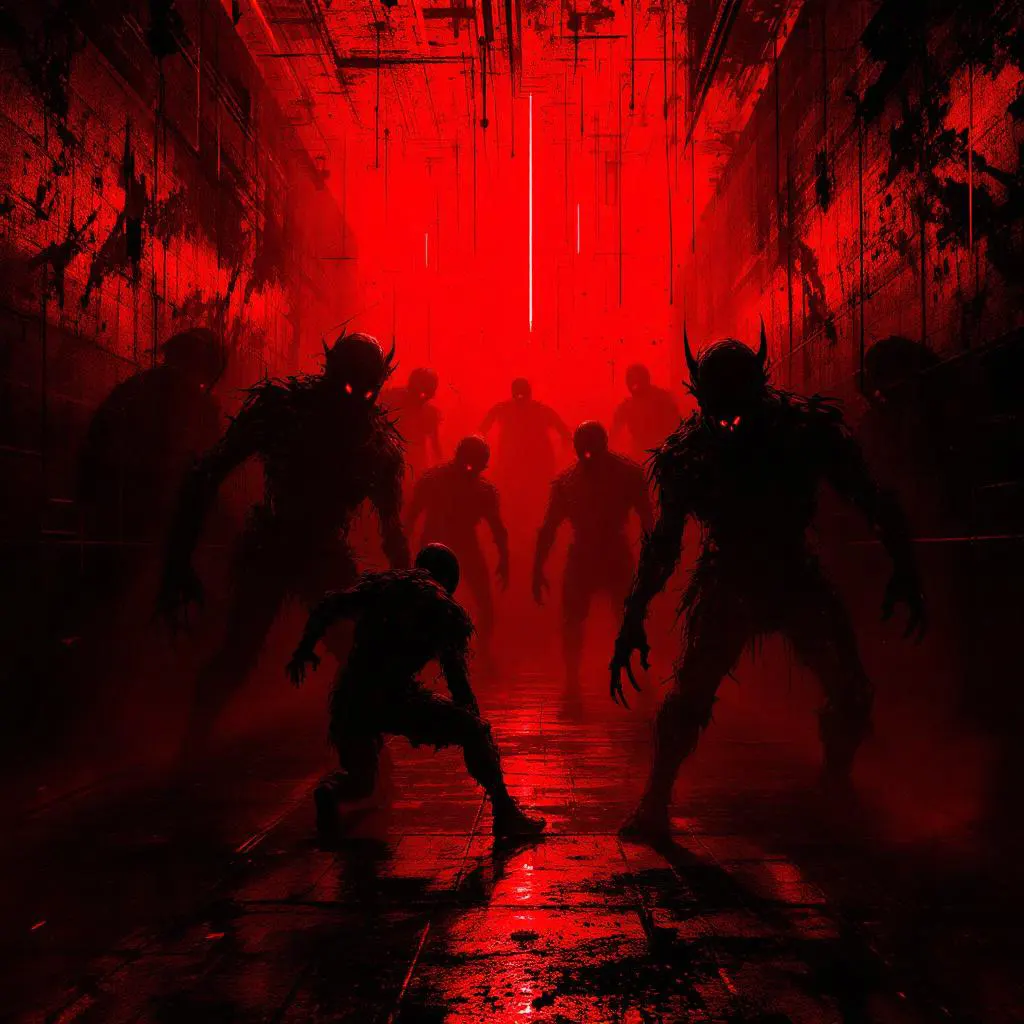
As analyzed by Polygon, this evolution mirrors trends across modern horror games, where AI-driven systems replace handcrafted scares.
Is the AI Fair—or Manipulative?
One lingering concern is whether the system crosses into manipulation. If the game constantly escalates tension based on stress signals, does it respect player comfort?
Capcom has stated that accessibility sliders allow players to tone down adaptive elements, a feature outlined on the official Resident Evil website.
Resident Evil: Requiem is undeniably one of the boldest entries in the franchise. The Dynamic Fear AI transforms Resident Evil Requiem gameplay into something deeply personal—and sometimes overwhelming.
If you crave relentless tension and adaptive horror, this may be the scariest Resident Evil yet. If you prefer controlled pacing and traditional survival mechanics, the experience may feel a bit too intense.
Either way, Requiem proves one thing: AI-driven fear is no longer a gimmick—it’s the future of horror games.
#ResidentEvilRequiem #ResidentEvilGameplay #DynamicFearAI #SurvivalHorror #GamingReviews #HorrorGames #NextGenGaming