

 By Vinod Ram
Border wall construction 2026 remains a closely watched issue in U.S. politics and border policy. While headlines often focus on rhetoric, the reality on the ground in Texas and Arizona is shaped by funding decisions, federal contracts, environmental rules, and local economic effects. This report looks strictly at what is actually happening — without political spin.
Federal Border Wall Construction: Where Things Stand
At the federal level, the U.S. Customs and Border Protection (CBP) continues to oversee new border infrastructure projects using funds appropriated in earlier budget cycles. These projects focus on replacing outdated barriers, closing gaps, and upgrading surveillance systems along the U.S.–Mexico border.
According to the Department of Homeland Security (DHS), current construction emphasizes “smart wall” concepts — combining steel barriers with lighting, access roads, cameras, and sensor technology. This approach is now the dominant model shaping border wall construction 2026.
Arizona: Targeted Construction and Gap Closures
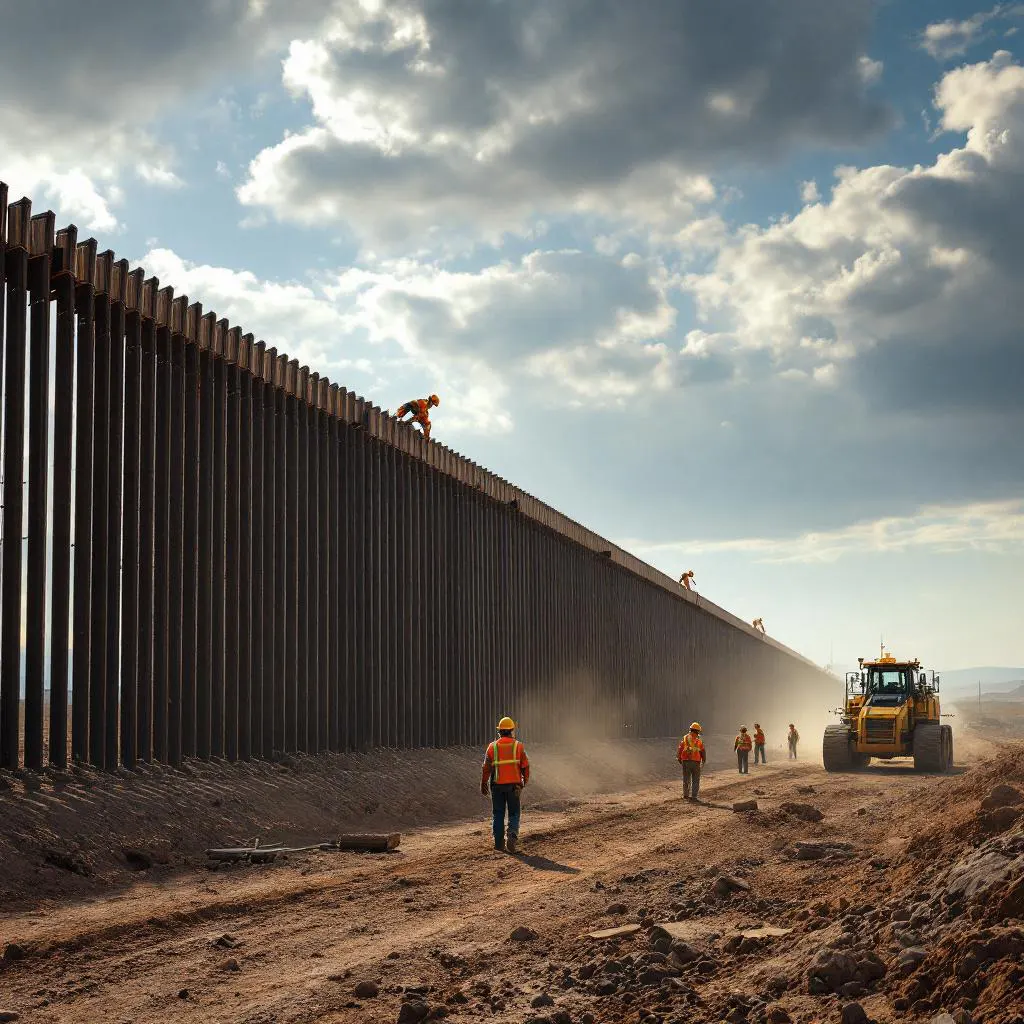
In Arizona, much of the activity is concentrated in areas where barriers were never completed or were left in poor condition. The border wall system in the Tucson Sector includes new steel bollards designed to reduce vehicle crossings while allowing limited wildlife movement.
Federal officials note that Arizona projects are typically shorter in length but strategically placed. These segments aim to support Border Patrol operations rather than create a continuous wall across the entire state.
Texas: Federal vs. State-Level Wall Efforts
Texas remains unique due to its parallel state-funded wall initiative. The Texas border security program initially committed billions of dollars to constructing state-owned barrier segments on private land.
However, recent budget decisions by the Texas Legislature indicate that future expansion will be limited. Construction continues only on segments already under contract, meaning total mileage by 2026 is expected to fall short of early projections.
Economic Impact on Local Communities
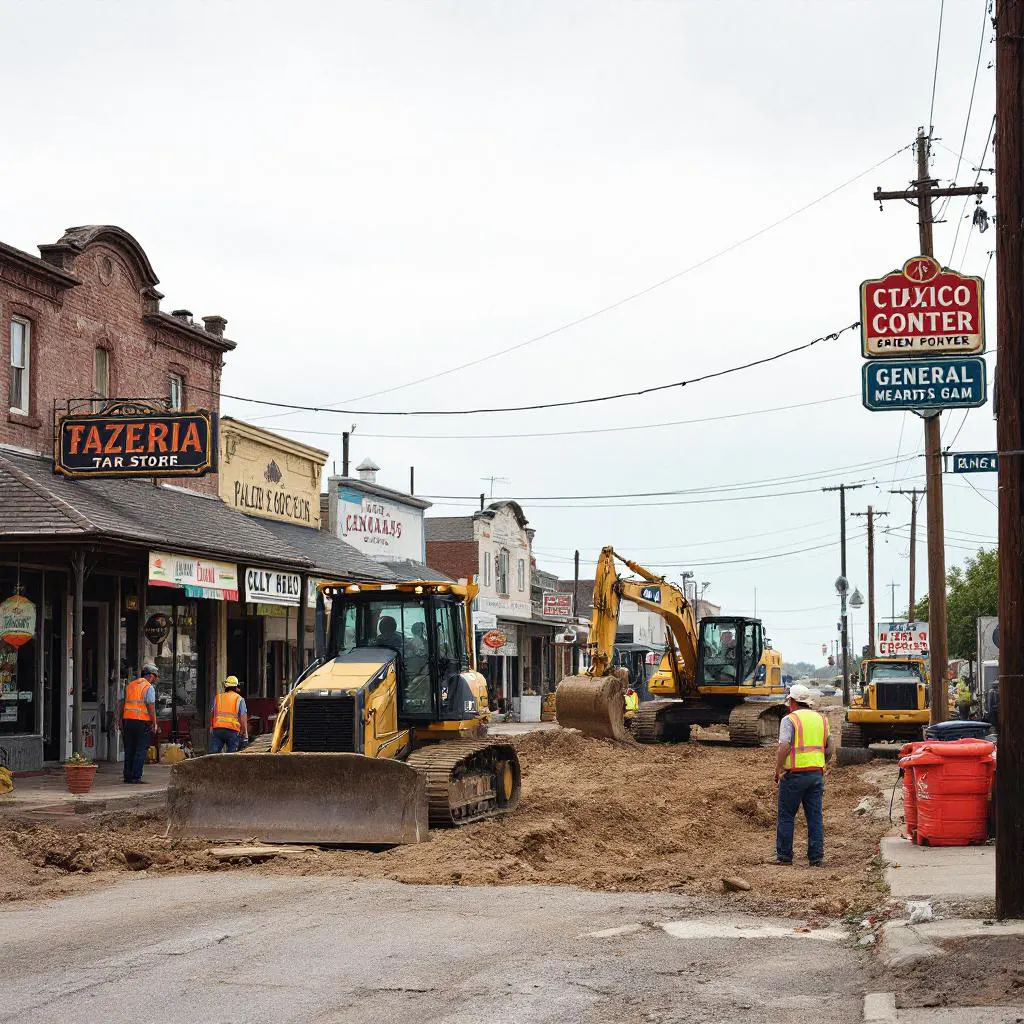
One of the most tangible aspects of border wall construction 2026 is its economic footprint. Large infrastructure projects bring short-term benefits and long-term questions for border regions.
- Construction jobs: Federal and state contracts support engineers, equipment operators, and material suppliers.
- Local spending: Temporary workers increase demand for housing, food services, and transportation.
- Land and legal costs: In Texas, negotiations with private landowners have increased legal expenses and slowed progress.
According to data from the U.S. Bureau of Labor Statistics, construction employment tends to see localized boosts during large public works projects, though gains often taper once projects conclude.
Environmental and Regulatory Considerations
Environmental oversight remains a major issue. DHS has authority to waive certain environmental laws for border infrastructure, a power that has drawn scrutiny from conservation groups. Organizations such as the World Wildlife Fund warn that barriers can disrupt migration routes and fragile desert ecosystems.
Supporters argue that mitigation measures and targeted construction help balance security needs with environmental concerns, but the debate continues as projects advance.
What to Expect Through 2026
Looking ahead, border wall construction 2026 is expected to remain incremental rather than expansive. Federal efforts will prioritize modernization and technology integration, while Texas’ state-level program appears to be stabilizing rather than growing.
For border communities, the next two years will likely bring a mix of continued construction activity, legal challenges, and economic adjustments — shaped less by campaign promises and more by budgets and contracts already in place.
#BorderWallConstruction2026 #USMexicoBorder #TexasBorderWall #ArizonaBorder #BorderSecurity #ImmigrationPolicy #InfrastructureProjects