


Meta Platforms has found itself at the center of another high-profile legal battle after reports of a lawsuit seeking an astonishing $1.4 trillion in damages captured global attention. Although the figure has generated widespread discussion, the case raises broader questions about corporate accountability, user privacy, competition, and the legal limits of claims against major technology companies.
According to the Meta Newsroom, the company continues to face legal scrutiny across several jurisdictions involving privacy practices, advertising, and competition. However, legal experts caution that headline damage claims often differ significantly from the amount ultimately awarded—if any—after judicial review.
Why Is Meta Facing Such a Large Claim?
The reported lawsuit centers on allegations that seek substantial financial compensation based on claimed economic or legal harm. While the exact legal arguments depend on the jurisdiction and court filings, plaintiffs often pursue significant damages to emphasize the scale of their claims. Consequently, the requested amount does not necessarily reflect the case’s likely outcome.
Official court proceedings and regulatory actions involving major technology companies continue to evolve. Therefore, readers should rely on verified filings and public statements rather than social media speculation.
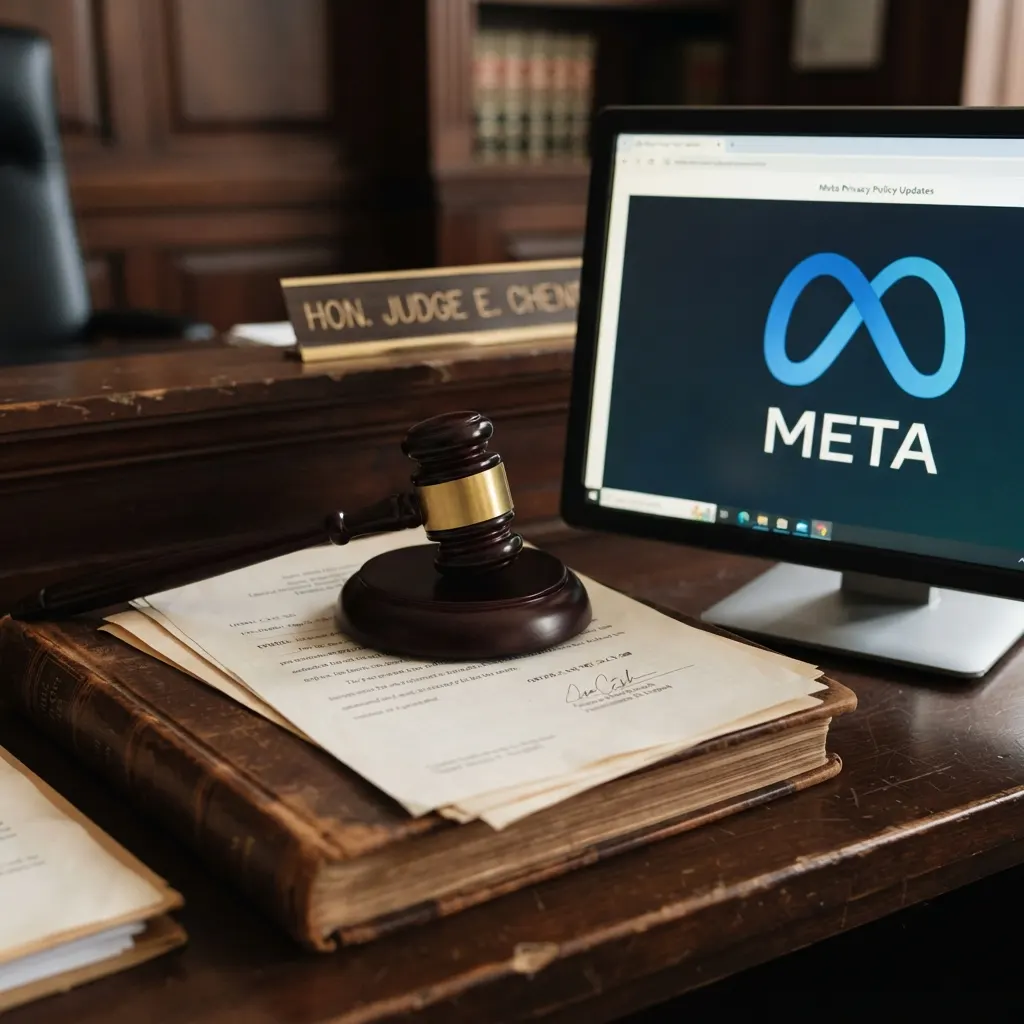
How Do Courts Evaluate Massive Damage Claims?
Courts examine evidence, applicable laws, and documented losses before determining whether damages are justified. Moreover, judges frequently reduce or dismiss claims that lack sufficient legal or factual support. Large headline figures often serve as opening positions rather than final judgments.
The U.S. Department of Justice and the Federal Trade Commission continue to oversee enforcement actions involving competition and consumer protection in the technology sector. Likewise, guidance from the U.S. Securities and Exchange Commission helps investors understand material legal risks disclosed by public companies.
What Could the Case Mean for the Tech Industry?
The lawsuit highlights growing regulatory and legal pressure on large technology companies. As governments strengthen oversight, businesses may face stricter expectations regarding data privacy, platform governance, and market competition. Furthermore, investors closely monitor major legal proceedings because they can influence future business strategies and regulatory compliance.
Industry analysts at the Brookings Institution and the Center for Strategic and International Studies have noted that legal challenges involving global technology firms often shape future digital policy and corporate governance.

What’s Next?
The legal process may take months or even years before reaching a final resolution. During that time, both parties will present evidence, respond to court motions, and potentially pursue settlement discussions. Meanwhile, regulators, investors, and technology companies will closely watch the proceedings for broader implications.
Overall, the reported $1.4 trillion lawsuit underscores the increasing legal and regulatory scrutiny facing major technology companies. While the headline figure is attention-grabbing, the ultimate outcome will depend on the evidence presented, judicial rulings, and applicable law.
#Meta #Facebook #TechNews #BigTech #Lawsuit #DigitalPrivacy #Technology #LegalNews #BusinessNews